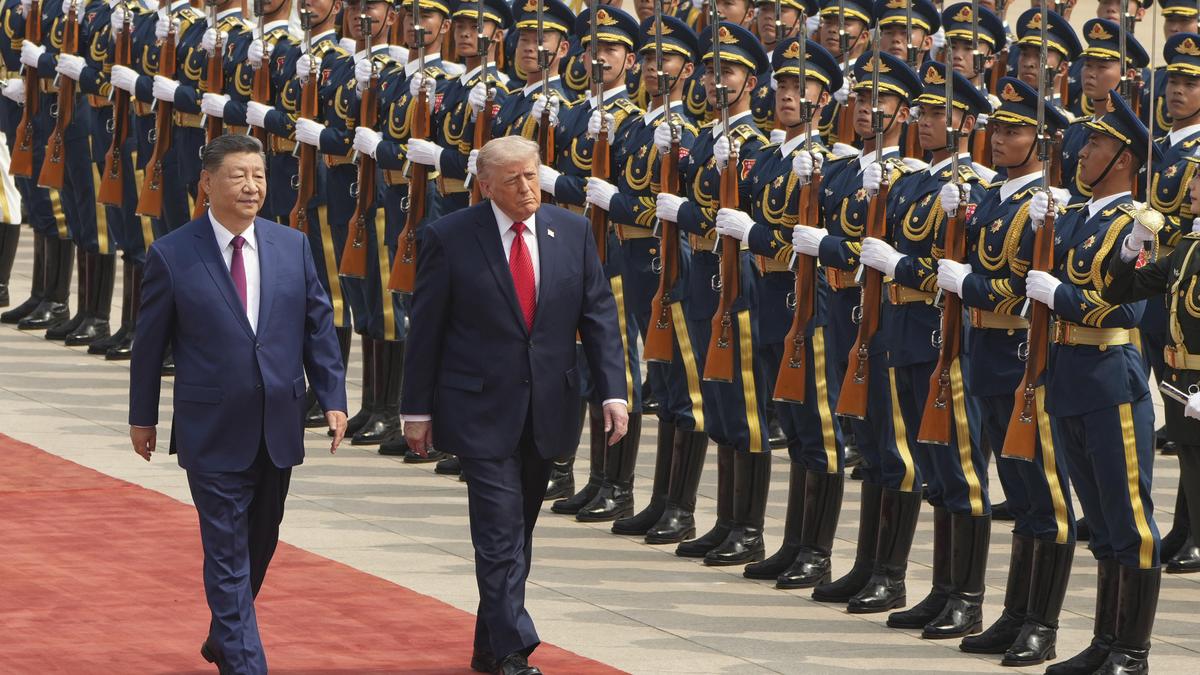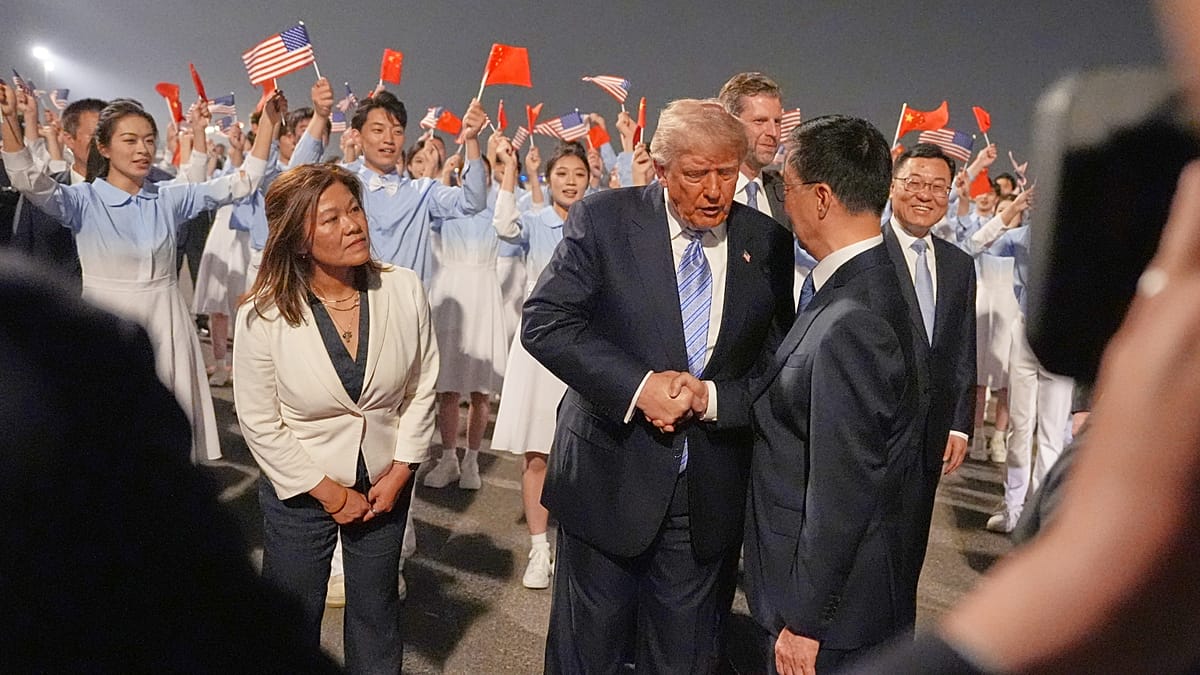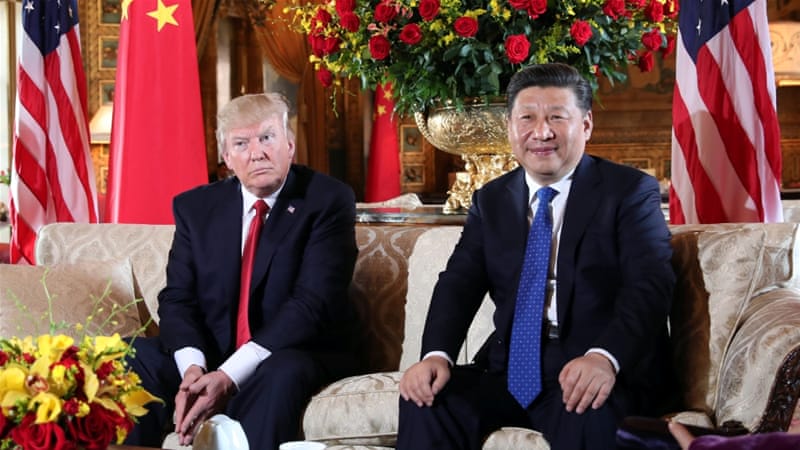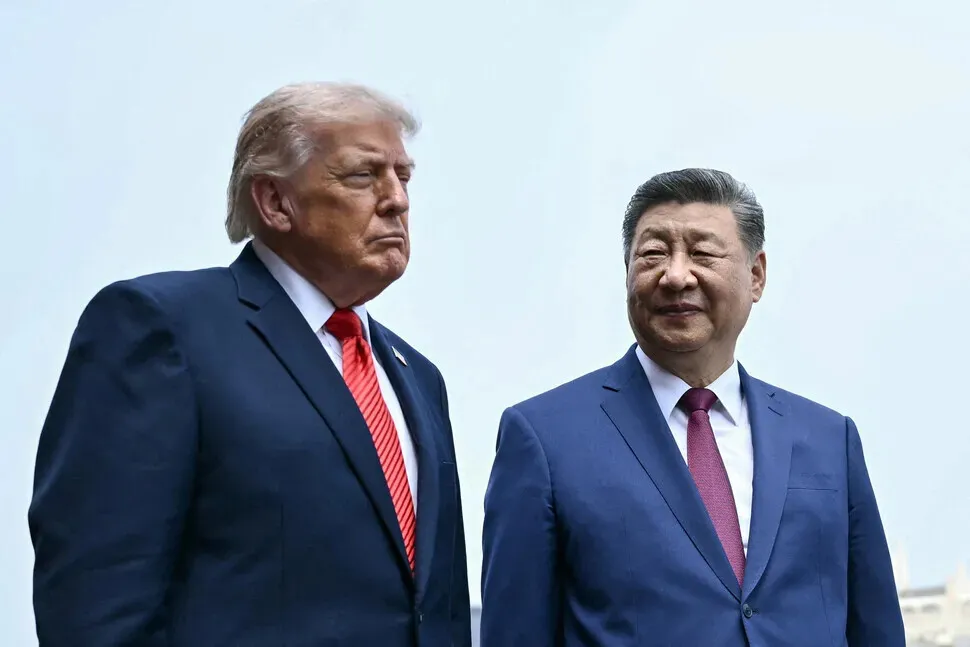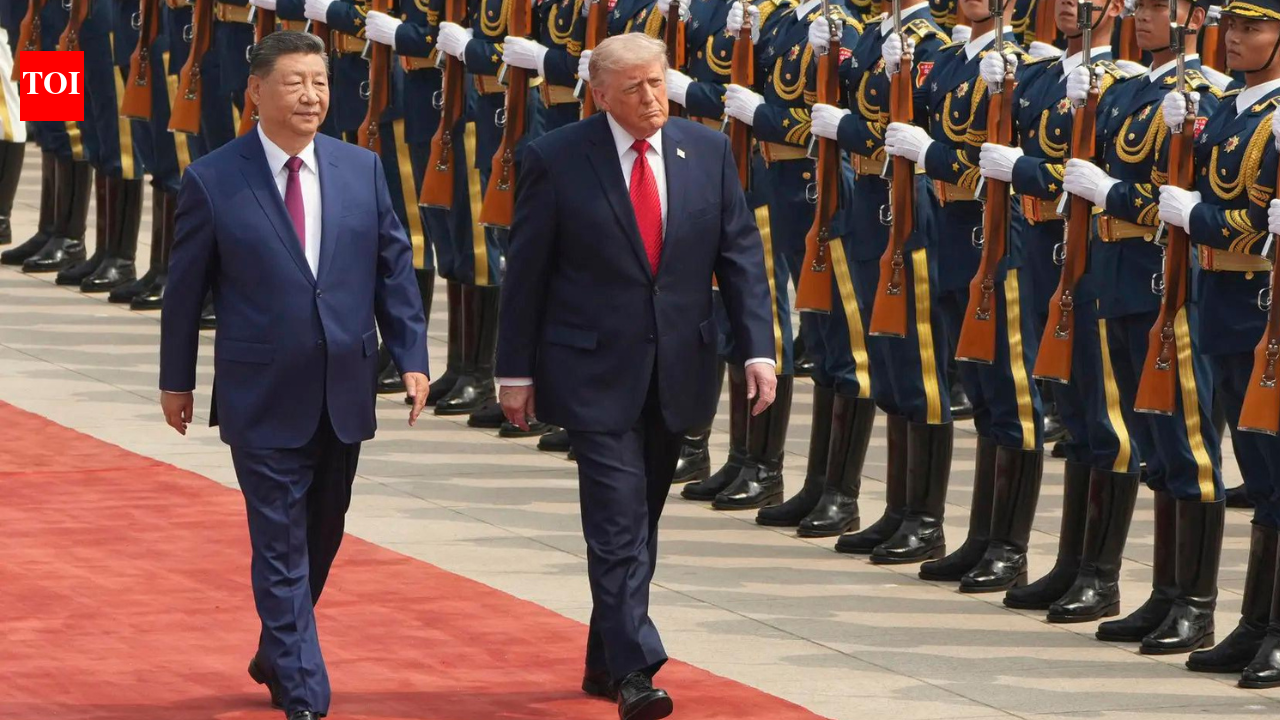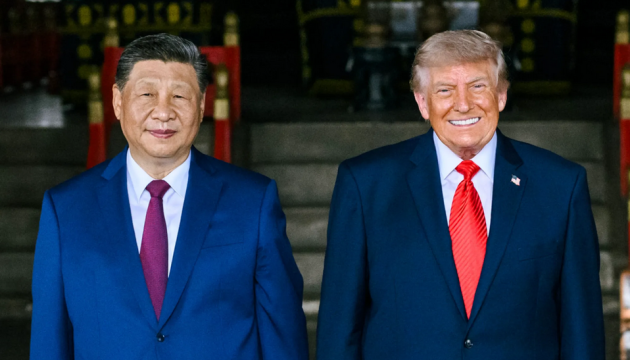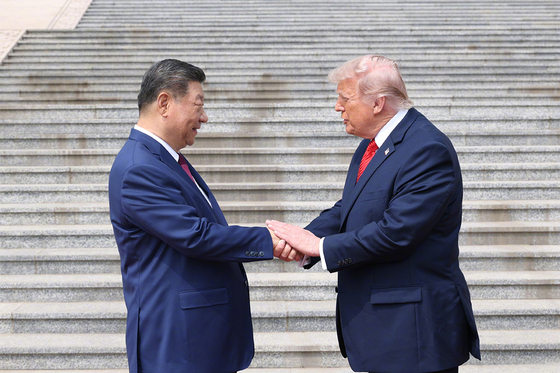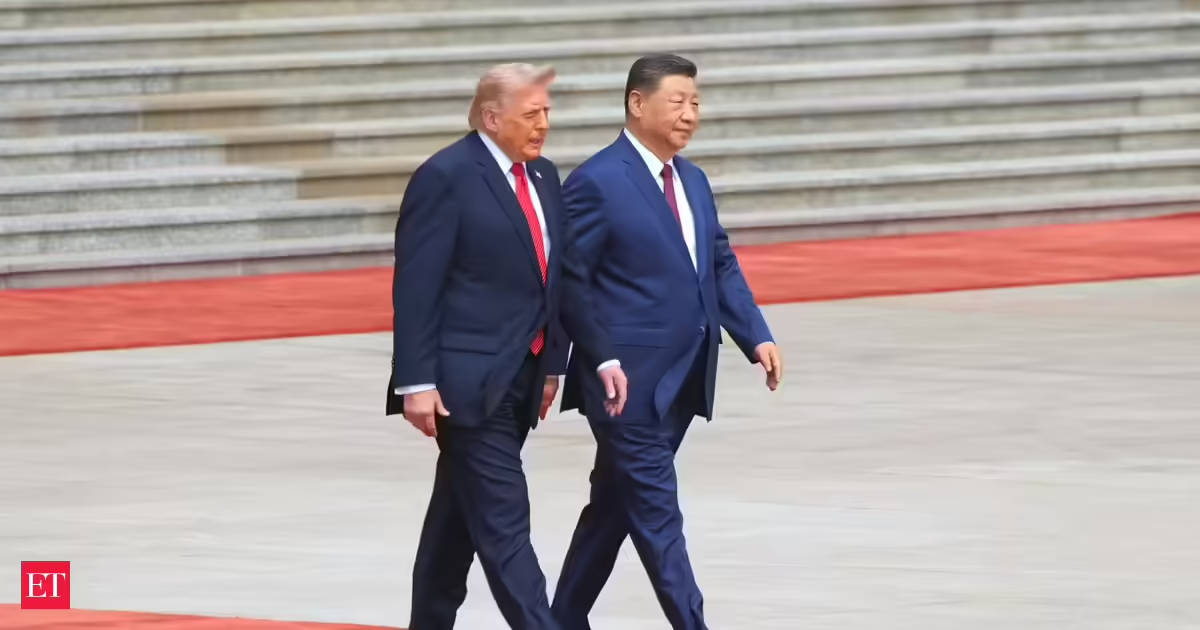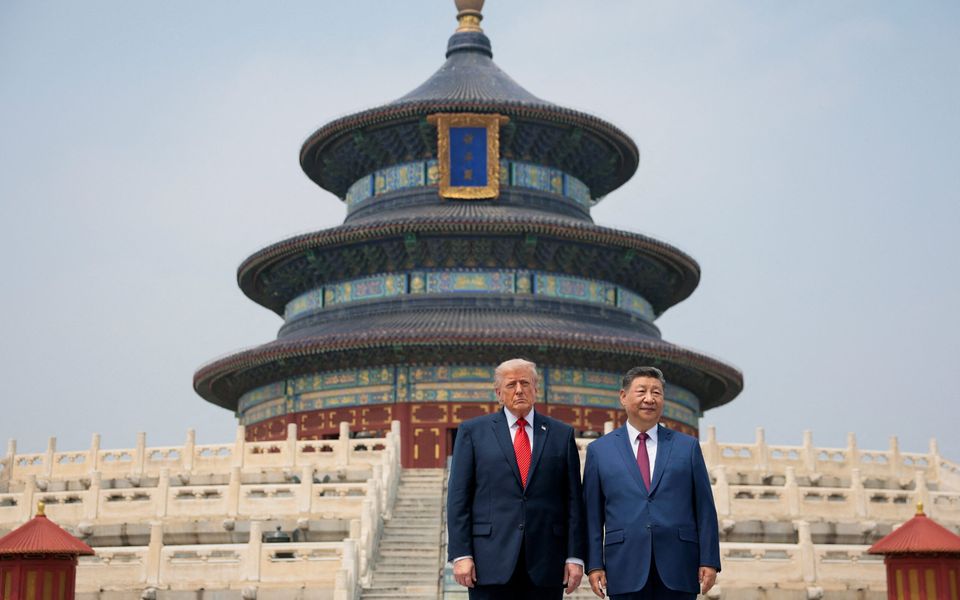
After meeting with Donald Trump in Beijing Thursday, President Xi Jinping declared, “We both believe that the China-US relationship is the most important bilateral relationship in the world. We must make it work and never mess it up. Both China and the United States stand to gain from cooperation and lose from confrontation. Our two countries should be partners rather than rivals.” The White House described the meeting as “good,” while Trump told Xi he is “a great leader and China is a great country,” adding that he “deeply respects President Xi and the Chinese people.”
Until we learn precisely what the two sides discussed, it is difficult to understand what all this means. It is self-evident that if relations between China and the United States go smoothly, the whole world will benefit, and if things go badly, everyone will suffer. In the Trump era, though, nothing is self-evident.
Until now, the actions of great powers were somewhat predictable, based on their long-term interests. But today the United States acts on the basis of Trump’s emotions and personal interests. Proof of this is the relationship between the United States and the European Union.
When we speak of “the most important bilateral relationship,” we need to note that the total trade in goods and services between China and the United States is less than half of that between the United States and the European Union (about $660 billion versus $1.68 trillion), whereas that between China and the EU is at $845 billion. At the economic level, then, the EU is a more important partner to both the United States and China. However, even though there was absolute cooperation between the EU and the United States for many decades, Trump’s policy has made America “more confrontational and unpredictable,” as Mario Draghi noted Thursday.