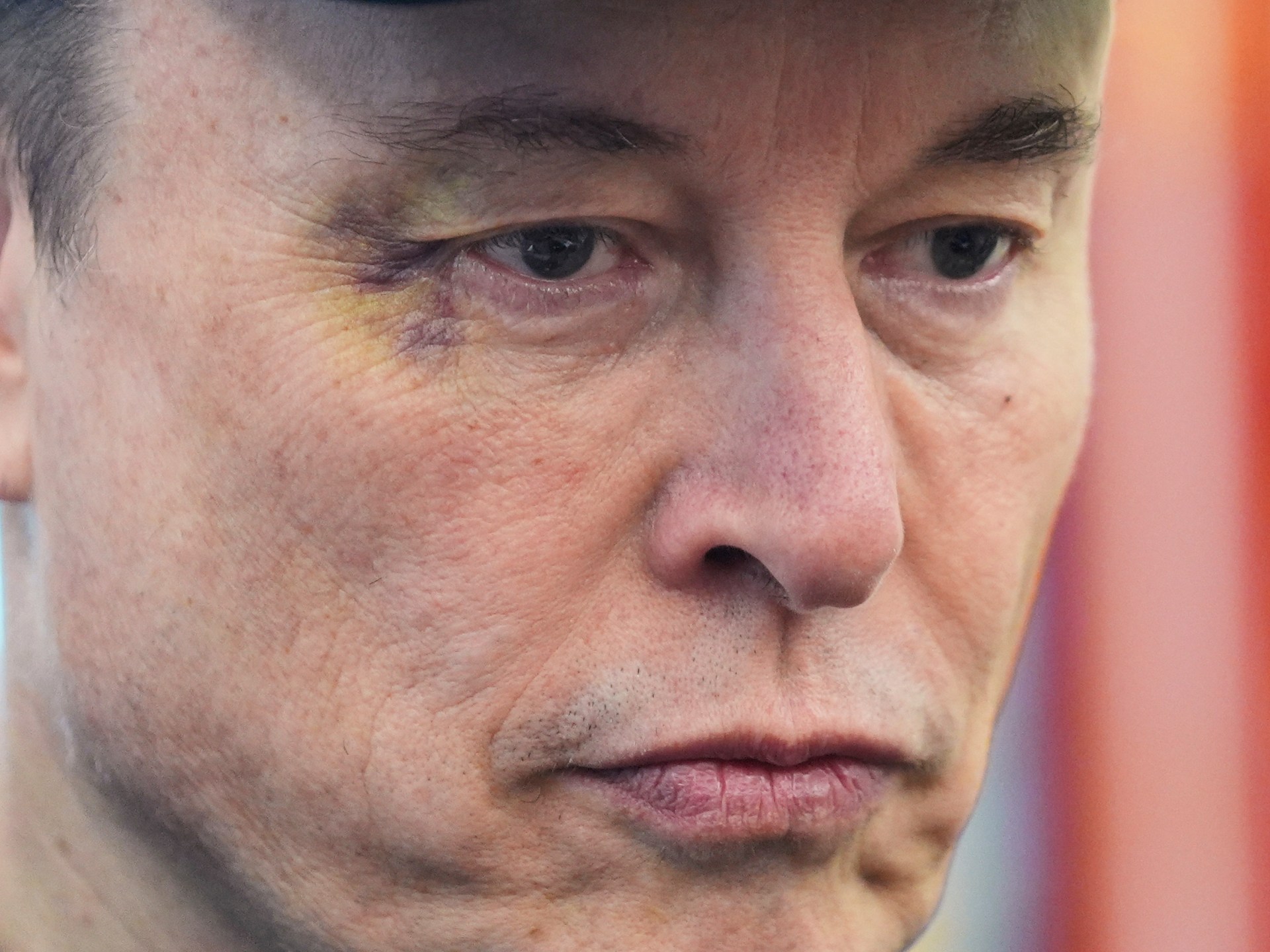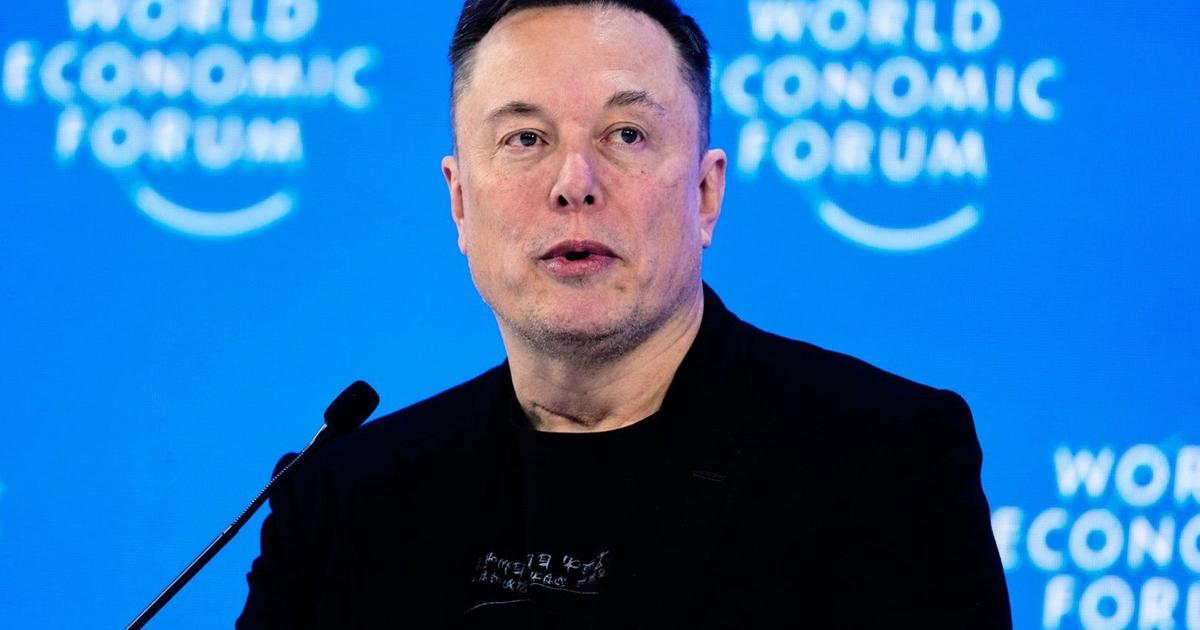
This April, the US Department of Justice joined Elon Musk’s xAI in suing the state of Colorado to kill its AI anti-discrimination law.When the federal government sides with a billionaire against a state trying to protect its residents from AI discrimination, that’s not only a Colorado story. That’s everyone’s story.The justice department’s lawsuit is part of a coordinated federal effort to reframe AI consumer protections as ideological overreach. In July 2025, Donald Trump signed an executive order on “preventing woke AI”, equating bias mitigation measures to a leftist “woke” agenda that suppresses free speech and truth. The federal National Policy Framework launched in March included a push to pre-empt state laws on AI, with Colorado’s law targeted. The justice department’s intervention in Colorado marks the first time the federal government has sought to intervene in a lawsuit challenging a state AI law.The AI bill in reference, Senate Bill 205, was about protecting people from discrimination in high-risk AI systems making consequential decisions: who gets hired, who gets housing, who receives healthcare.The original bill required bias audits, impact assessments and disclosure, requirements that drew pushback from the business community. Colorado heard that and responded. Before xAI ever filed its lawsuit, the state revised those requirements with a reduced transparency framework in mid-March.This kind of bill matters. A 2019 study published in Science found that a widely used healthcare algorithm deployed across US hospitals assigned Black patients half the care of equally sick white patients because it used healthcare costs as a proxy for health needs, embedding existing inequities into clinical decisions. Removing healthcare costs eliminated racial bias in the model and helped hospitals deliver more effective care.But xAI argued the Colorado bill would force the company to promote the state’s “ideological views on various matters, racial justice in particular”, in its Grok chatbot. Brianna Titone, a Colorado state representative and one of the bill’s lead sponsors, disagrees. She captured the misleading nature of xAI’s lawsuit: “SB 205 is about consequential decisions … We’re not restricting speech. Our bill does not say that Grok still can’t be a dick.”The justice department, meanwhile, called the bill “state-mandated discrimination” that “obligates AI developers and deployers to discriminate”, an extraordinary characterization of a law that requires companies to check whether their systems are producing unlawfully discriminatory outcomes and fix them if so.The justice department’s’s argument rested on the false assumption that AI systems use “neutral criteria”. Under this logic, altering models that use neutral criteria messes with their objectivity, constituting discrimination. But as the hospital study shows, criteria that appear neutral can produce worse outcomes for some populations. This trend of poor proxies harming marginalized groups has been shown in various studies, such as for welfare allocation and college admissions. Bias also enters when models have less training data on some groups, causing worse performance for those populations – as documented in facial recognition research and my own research on large language models. When companies improved representation in their training data, performance discrepancies nearly disappeared.Then there’s the “winning the AI race” framing, reflected in the justice department lawsuit. The race technologists talk about and that the US government refers to is the pursuit of artificial general intelligence and beating China – a frontier dominated by a handful of well-capitalized corporate labs. Rules barring AI from discriminating in hiring and healthcare are separate from that race. Conflating the two is misleading.The only mainstream national outlet to cover this story thus far, the Wall Street Journal, focused on effects the law could have on businesses and “killing the entrepreneurial spirit”, a sentiment echoed in the justice department lawsuit. That argument doesn’t hold up, either. No companies are cited as leaving Colorado because of this regulation. The state’s governor, Jared Polis, states that “far more” firms are moving to Colorado than leaving. The one concrete example offered in the Journal: Palantir cited the bill as a possible burden in a Securities and Exchange Commission (SEC) filing. But the company did not say this was the reason it left Colorado for Florida. On the opposite end of the spectrum, companies including Microsoft have flagged bias and discrimination in AI as a material risk.Small businesses have legitimate concerns, to which the state responded. Still, using AI to make consequential decisions about who gets hired or receives healthcare is a choice. If a business wants to develop or use AI in hiring or healthcare but doesn’t have the bandwidth to check whether it discriminates, then they don’t have the bandwidth to use it responsibly. It’s worth noting: AI tools that don’t work for everyone deliver worse outcomes, create liability and erode trust. The healthcare algorithm that was fixed didn’t sacrifice efficiency; it got better at its job.But the pressure campaign worked. On 14 May, Polis signed into law a new bill (SB 189), which repeals and replaces SB 205. Gone are the requirements for companies to proactively assess their high-risk AI systems for bias, conduct annual reviews, report discovered discrimination to the state, and use reasonable care to address known and foreseeable harms. What remains is a requirement for AI developers to share technical documentation (on intended uses, limitations, training data) with deployers but not with the public. Consumers get a notice that AI was involved in a decision and the right to request human review, which most consumers will never know to invoke. It’s better than nothing, but falls short of ensuring meaningful, proactive accountability for high-risk systems.If the justice department can join a billionaire’s lawsuit to kill a state law meant to protect consumers and support transparency in high-risk areas, what does that mean for other states trying to shield residents from AI harms in the absence of federal regulation? The message is clear: don’t try.That’s not pro-America. AI is an incredibly powerful technology, and its potential is greatest when it works for all of us. We deserve the transparency and protection to get there.
Musk and the US government fought an AI anti-discrimination law. The arguments don’t hold up | Genevieve Smith
The justice department’s lawsuit is part of a federal effort to reframe AI consumer protections as ideological overreach
1,024 words~5 min read