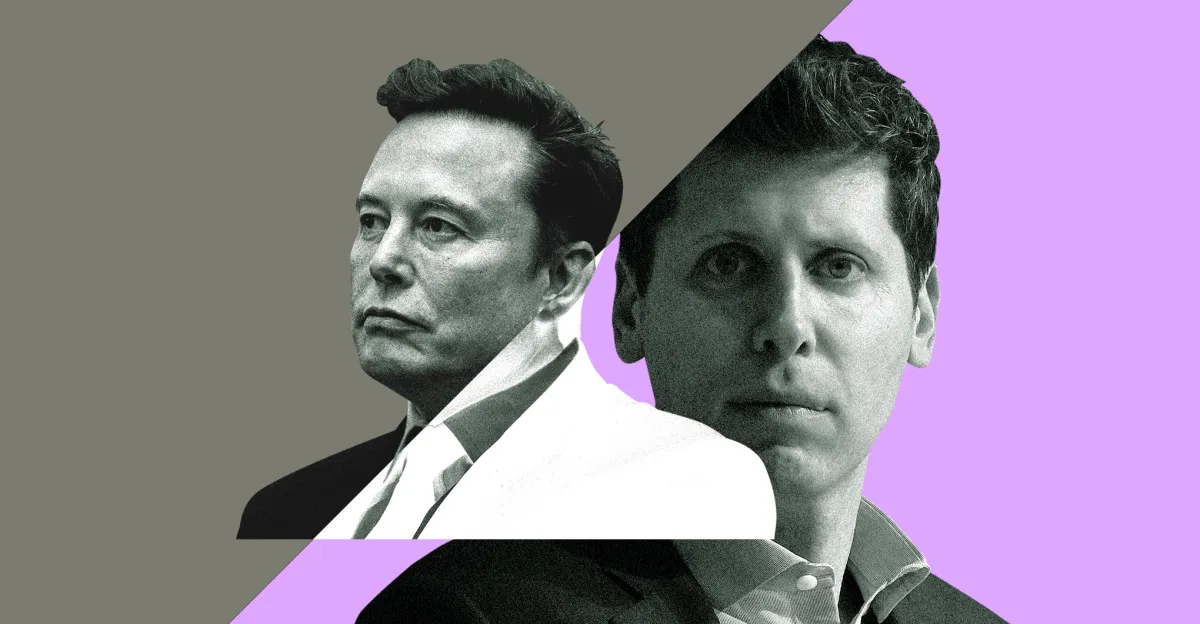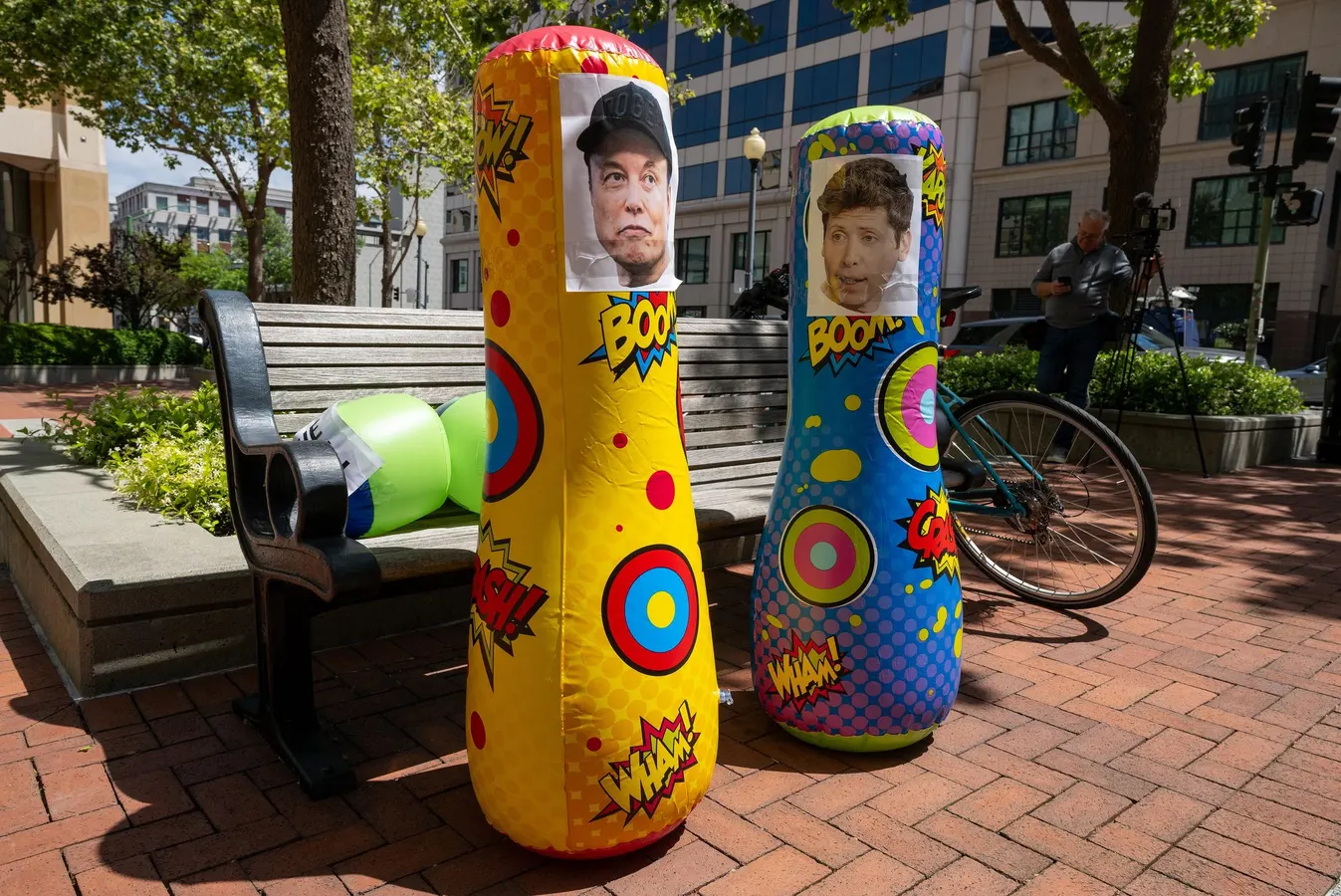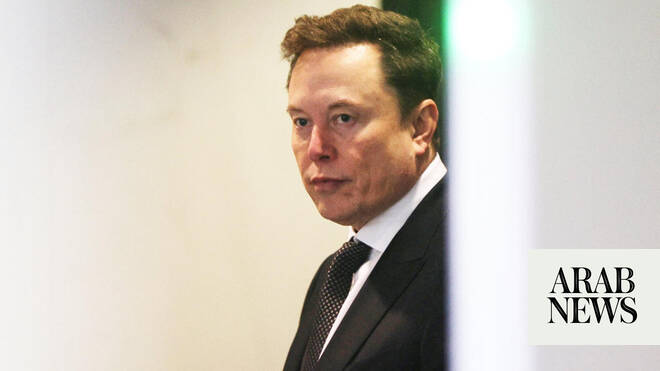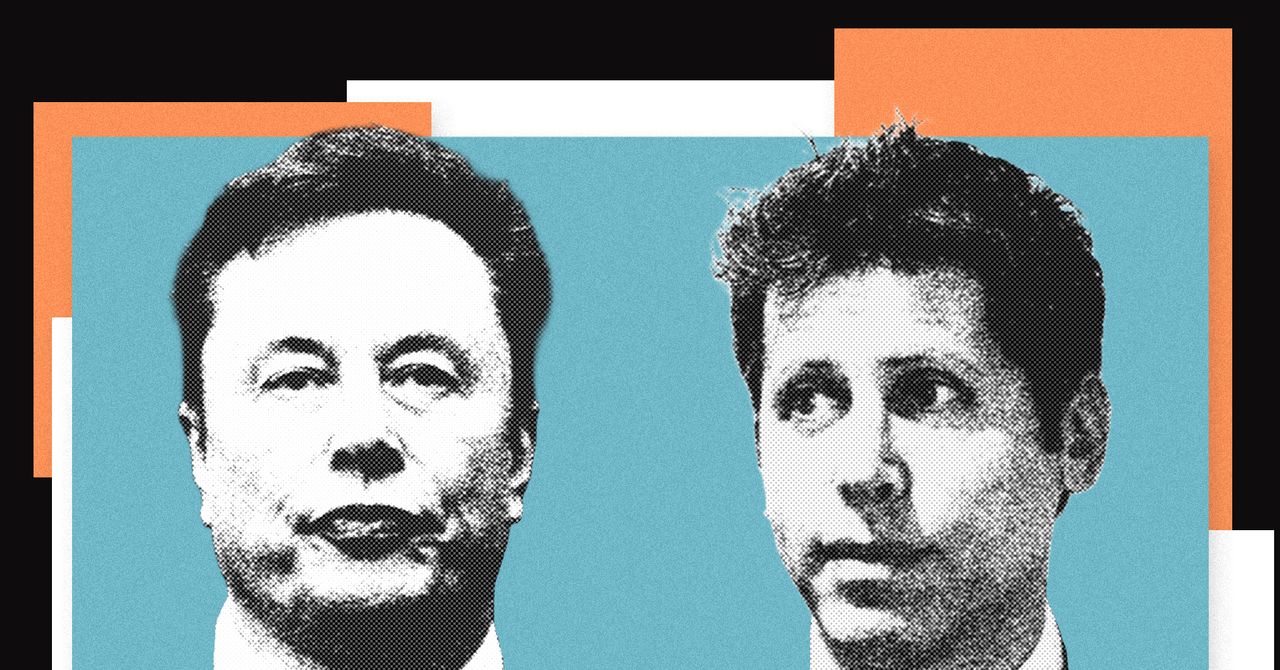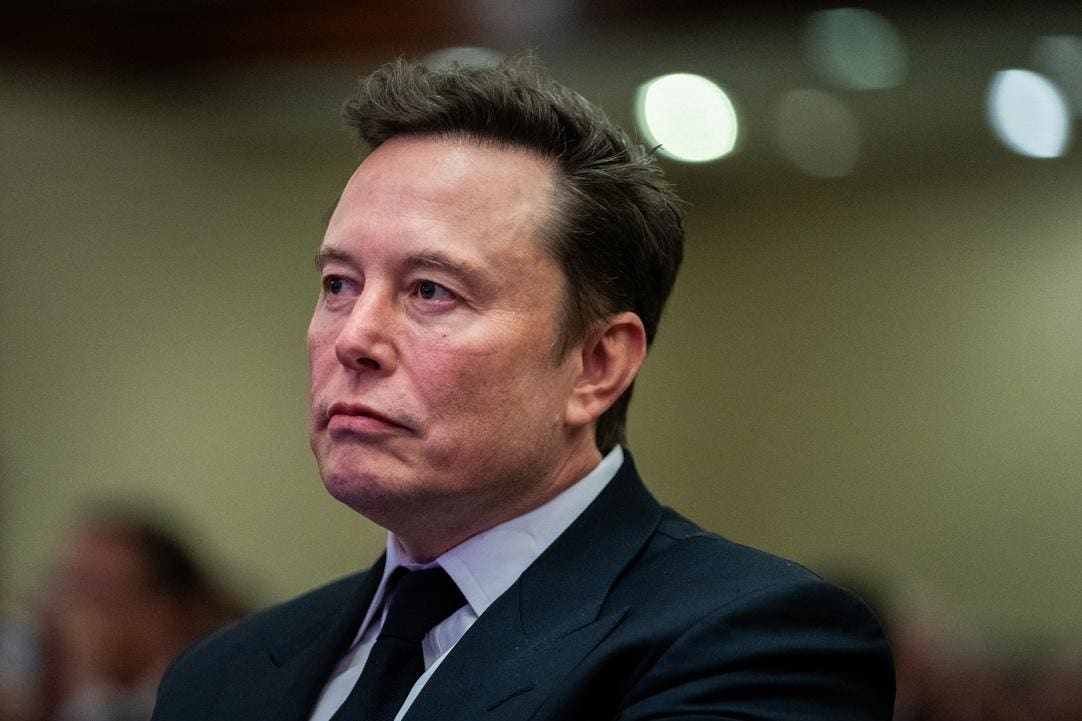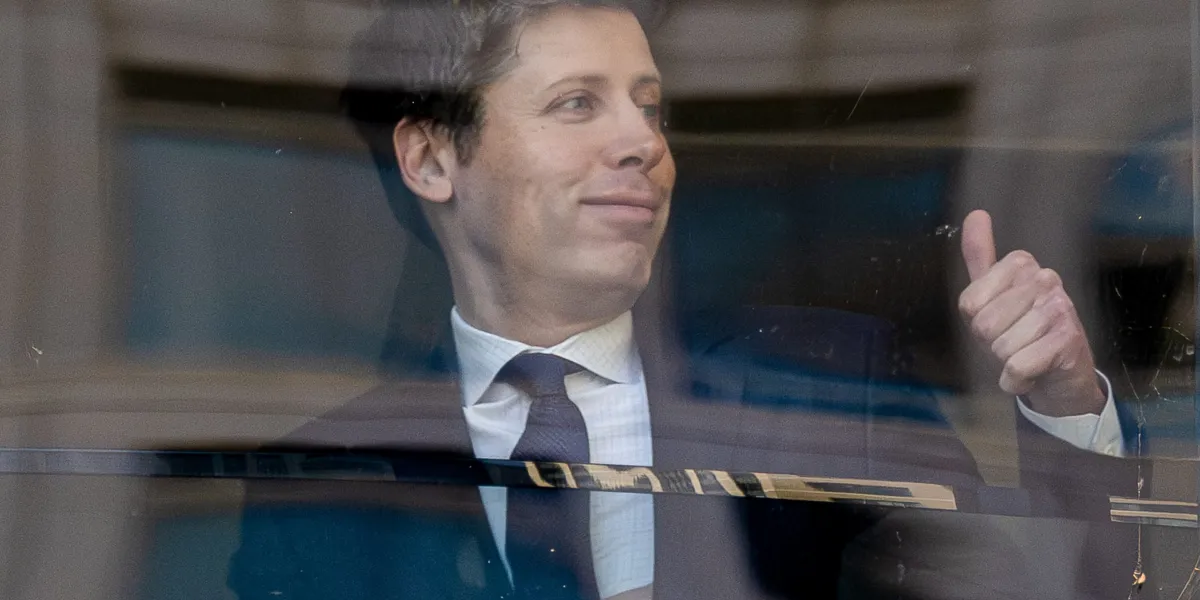
A federal jury ruled this morning that Elon Musk waited too long to sue Sam Altman over OpenAI’s broken nonprofit promise. The case was thrown out on statute of limitations grounds. The judge said she would have dismissed it herself. Whatever happens on appeal, the trial we just watched asked the wrong question.
Strip away the feud, the damages claim, the dueling charisma. What these two men were offering, each in his own way, was a promise that their personal stewardship would keep artificial intelligence safe for the rest of us. Musk said Altman had stolen a charity. Altman said Musk was a wounded co-founder who could not stand losing control. Both arguments rested on the same hidden assumption. The future of AI depends on having the right billionaire in the room.
That assumption is the real problem, and the court in Oakland cannot solve it.
Consider what the trial obscured. OpenAI began as a nonprofit. It layered on a capped-profit subsidiary. It converted to a public benefit corporation. It may soon test public markets. Each form was sold as a guarantee that mission would constrain capital. Each form collapsed under the weight of the capital it needed to function. The clearest evidence is the November 2023 firing of Altman by his own nonprofit board. The board fired him on a Friday. By Monday, Microsoft and seven hundred employees had reversed the decision. The board’s charter said one thing. The capital said another. The capital won.