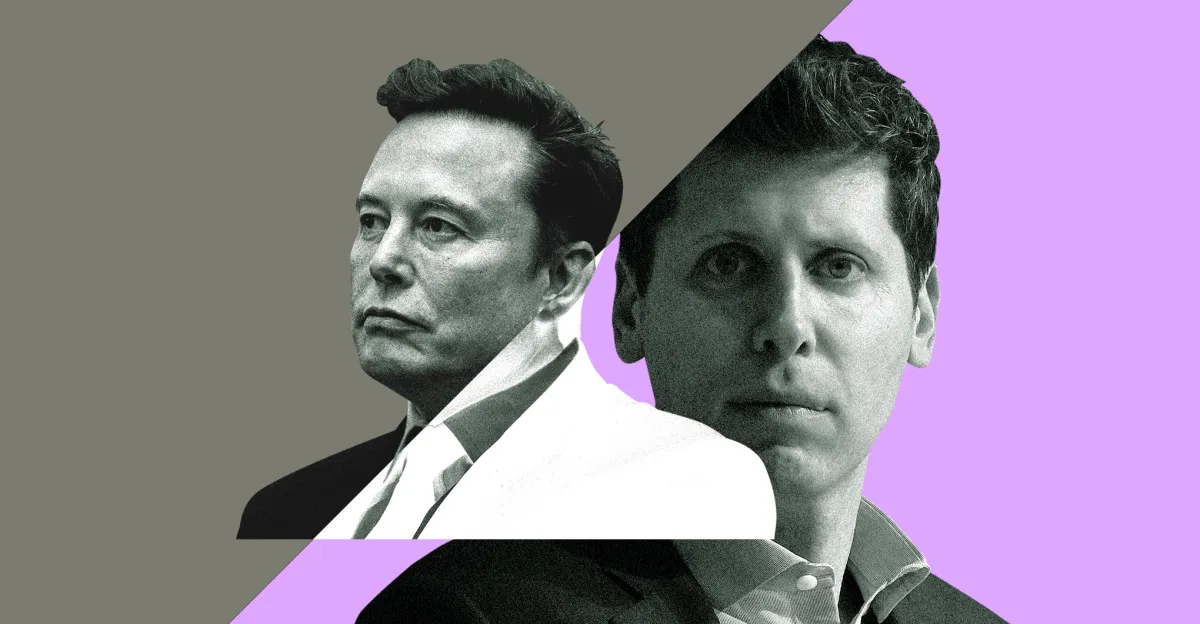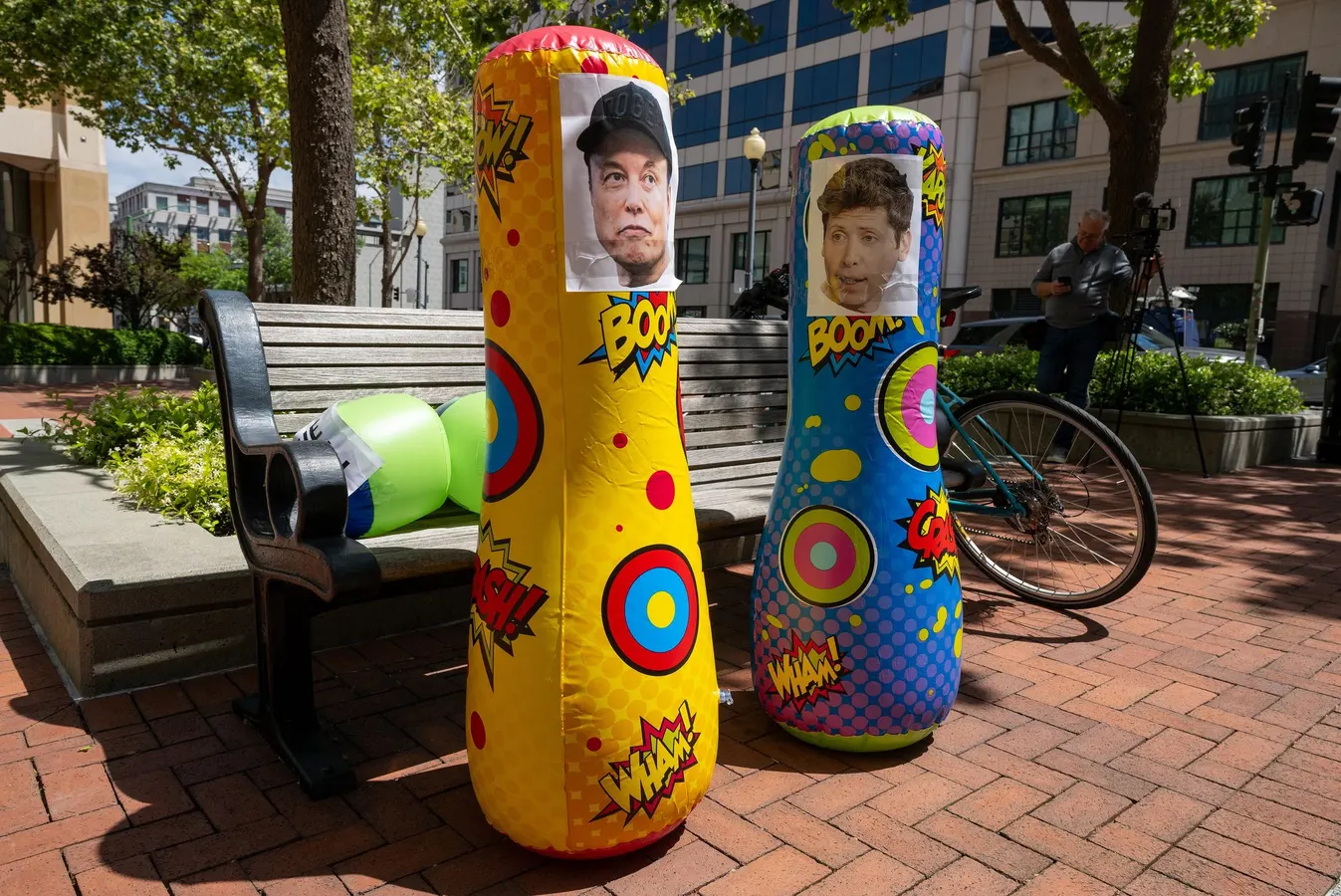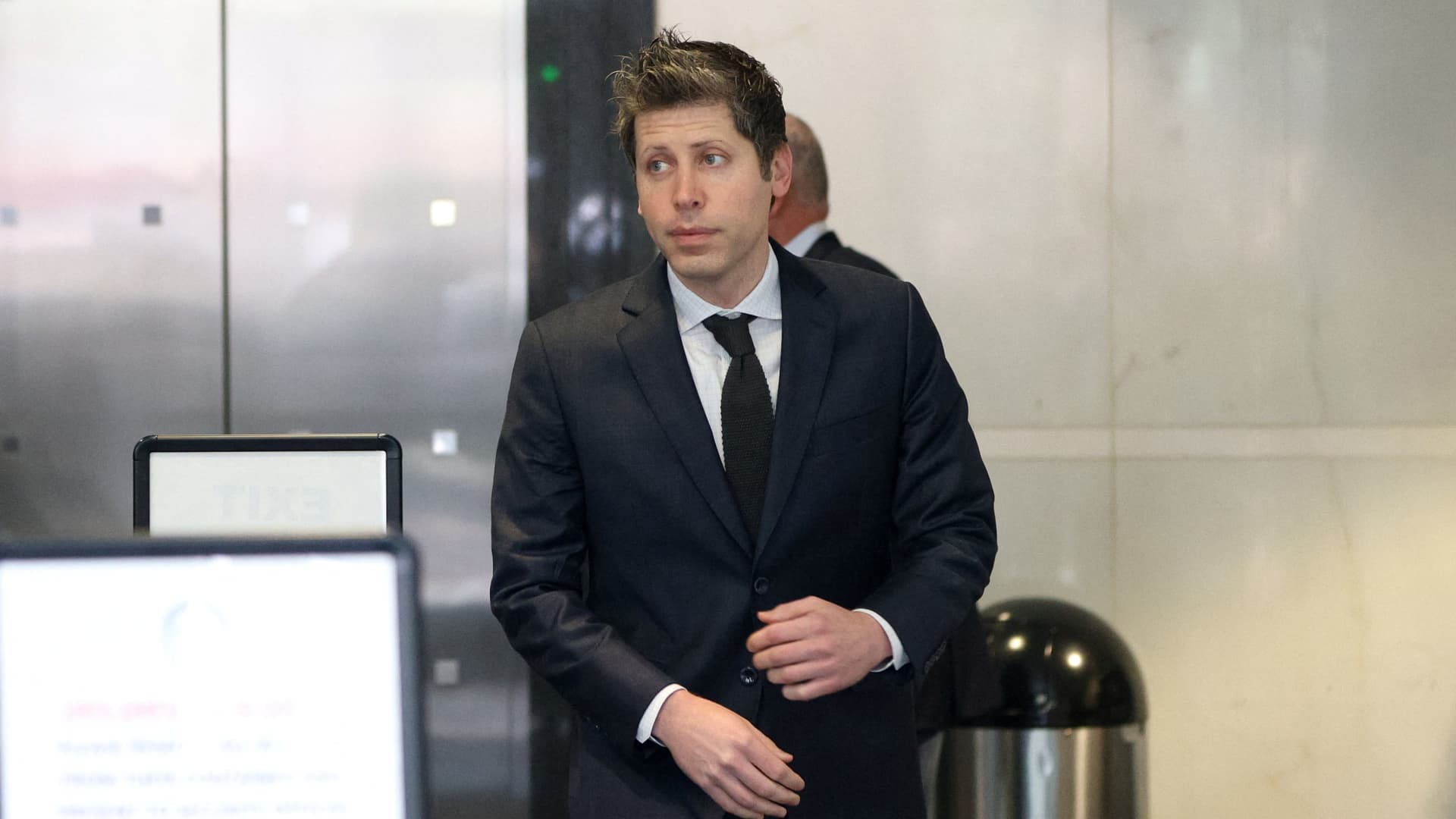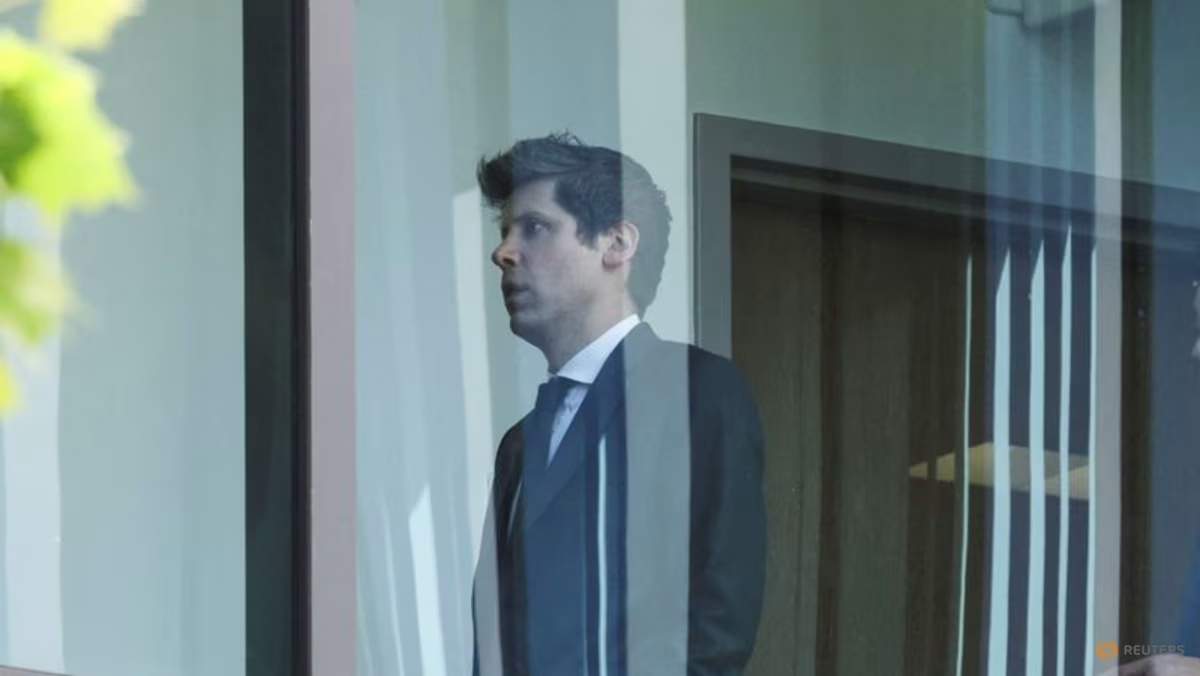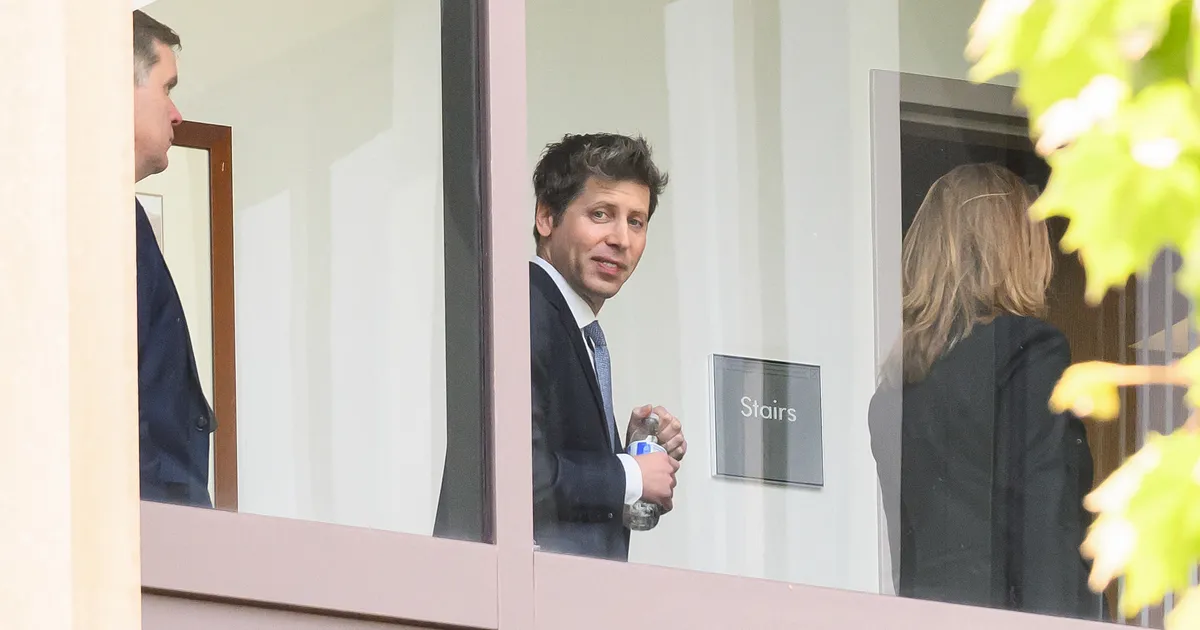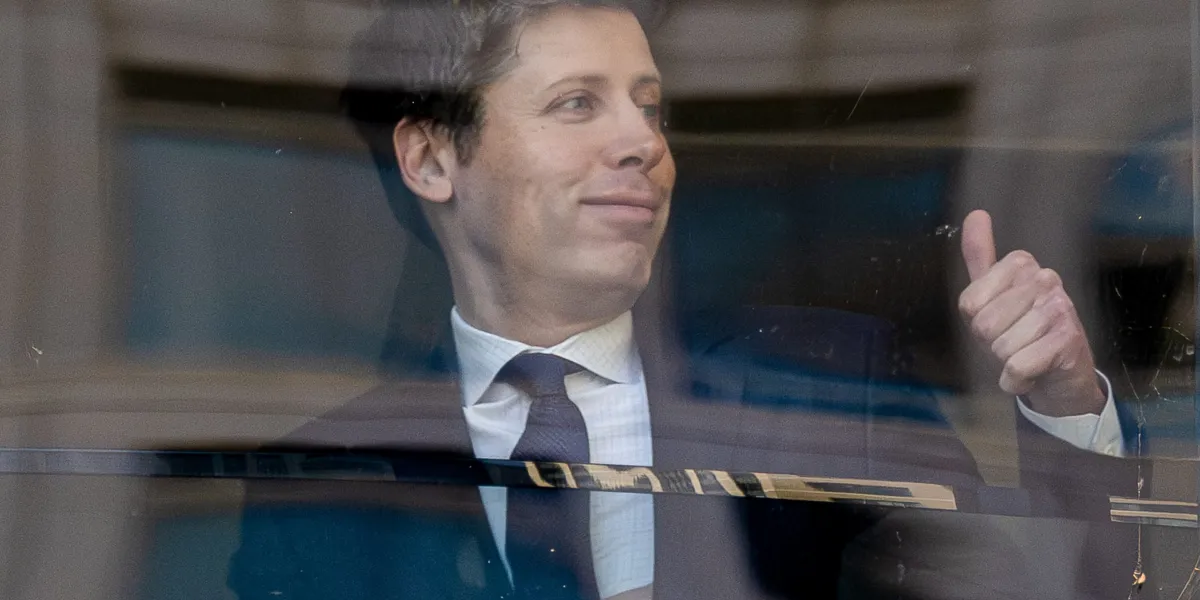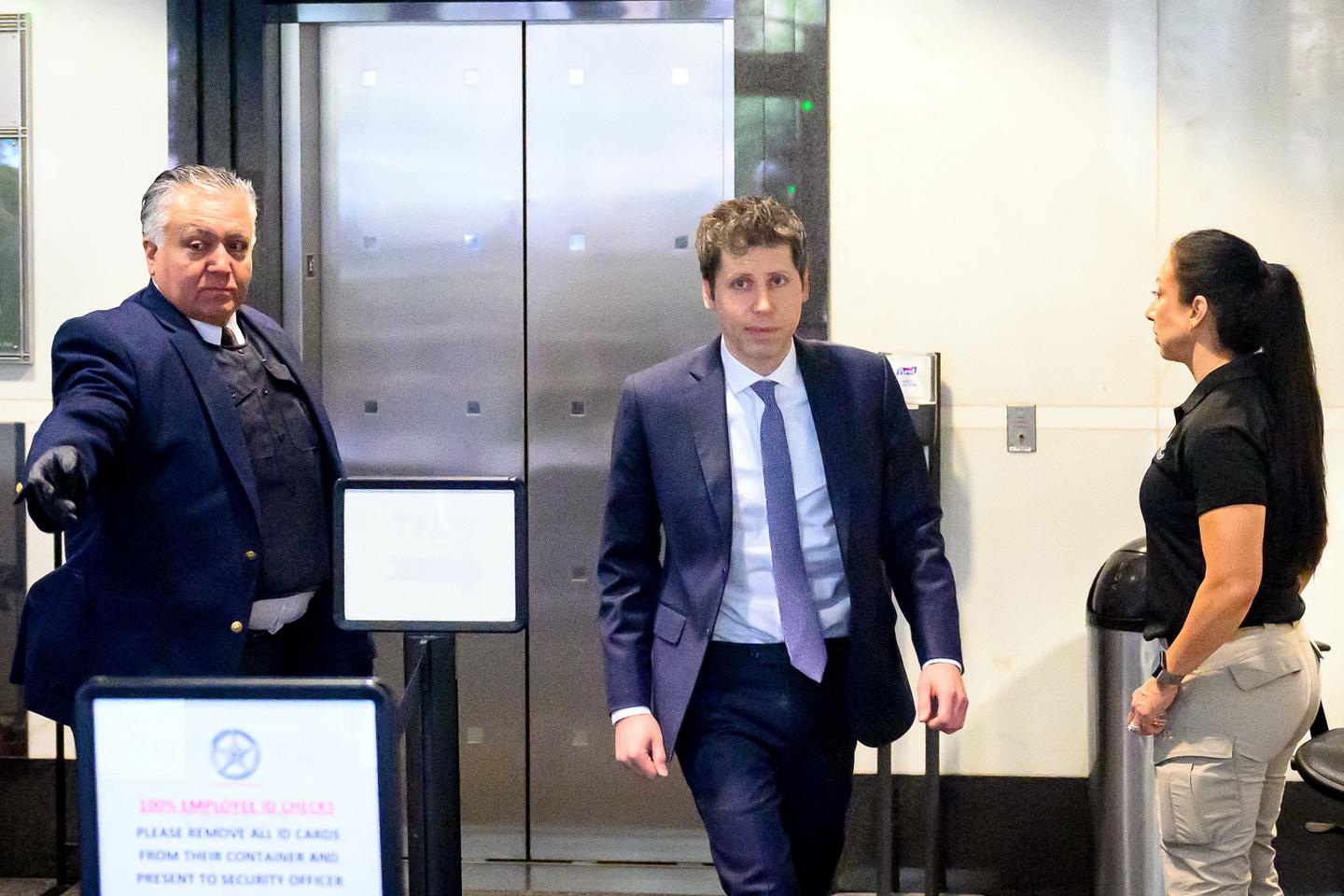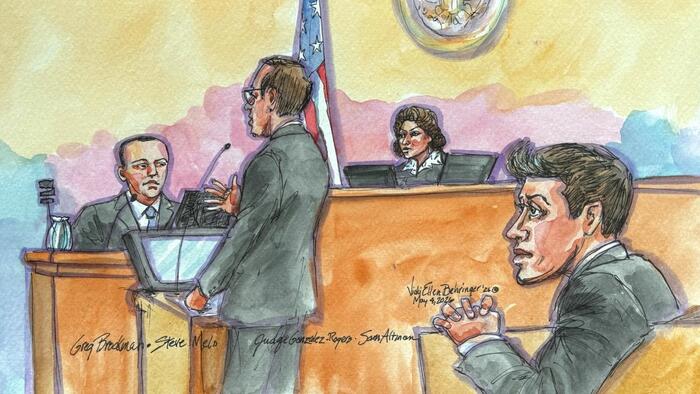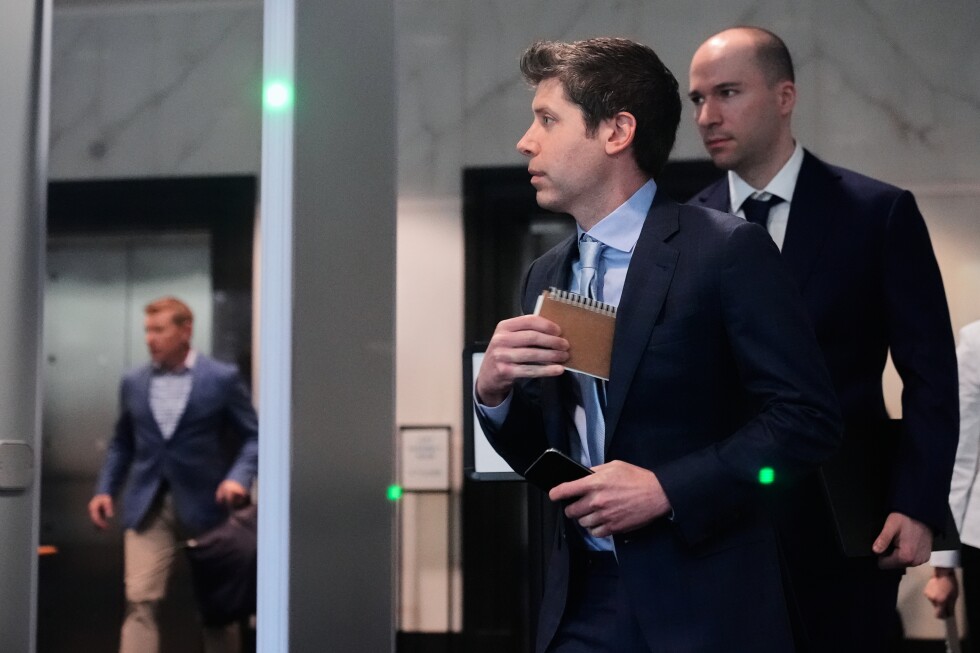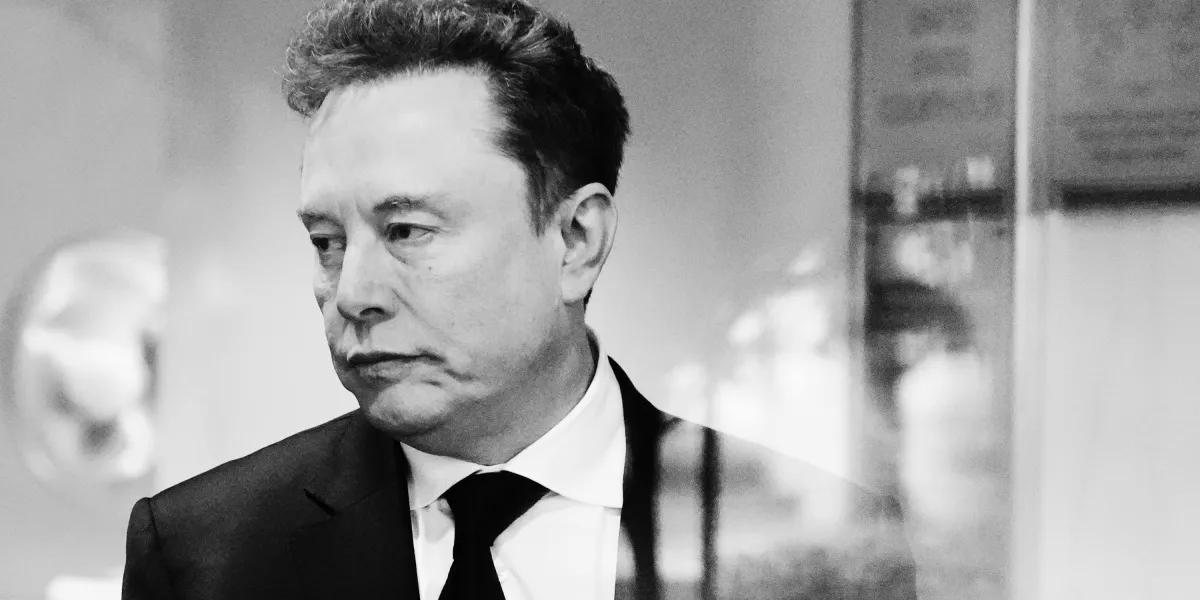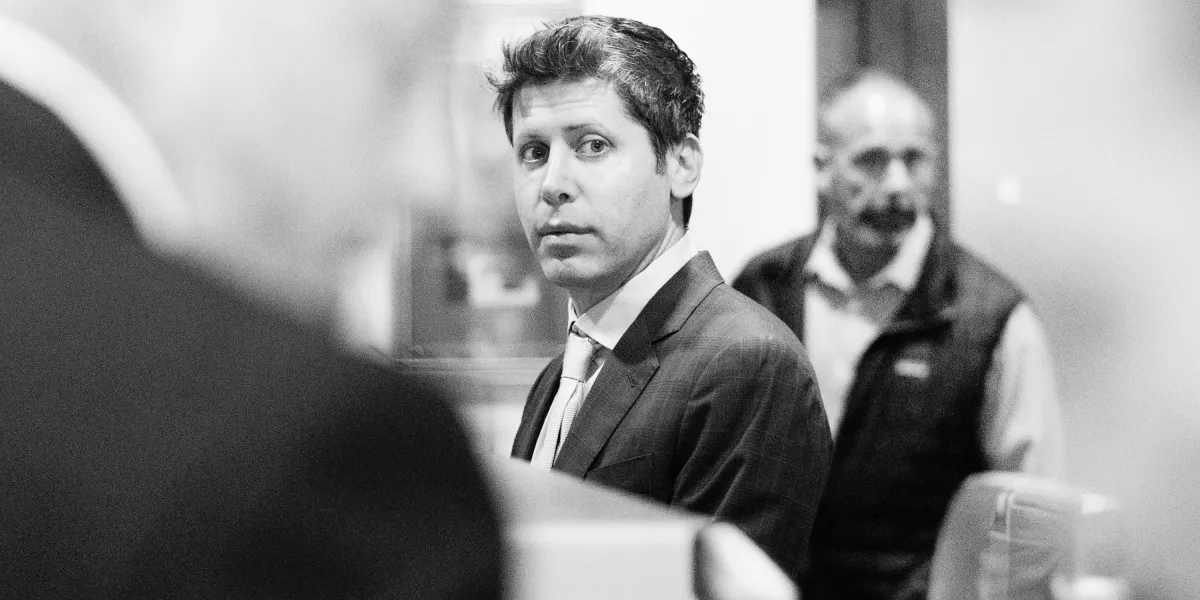
The trial spilled plenty of dirt—and raised more questions than answers about how the AI giant should be governed.May 15, 2026OpenAI CEO Sam Altman at the Ronald V. Dellums Federal Building in Oakland, California.Benjamin Fanjoy/Getty Images In the final week of the Musk v. Altman trial, lawyers traded blows over Elon Musk’s and OpenAI CEO Sam Altman’s credibility. Altman was grilled on his alleged history of lying and self-dealing involving companies that do business with OpenAI. But he fired back, painting Musk as a power-seeker who wanted to control the development of artificial general intelligence (AGI)—powerful AI that can compete with humans on most cognitive tasks. As evidence of their commitment to AI safety, OpenAI brought out a golden trophy of a donkey’s ass that was gifted to an employee after he was called a “jackass” for standing up to Musk’s plans to race toward AGI. Lawyers for both sides also presented their closing arguments, floating unflattering mugshot-style photos of Musk and Altman next to each other on a giant screen. Musk’s lawyer Steven Molo argued that Altman and OpenAI president Greg Brockman broke their promise to use money Musk donated to maintain OpenAI as a nonprofit that develops AI for the benefit of humanity. Instead, they created a for-profit subsidiary that made them extraordinarily wealthy. OpenAI’s lawyer Sarah Eddy argued that Altman and Brockman never promised to keep OpenAI a nonprofit. She added that even though it’s been restructured, OpenAI remains a nonprofit dedicated to developing AI safely.
Musk v. Altman week 3: Musk and Altman traded blows over each other’s credibility. Now the jury will pick a side.
The trial spilled plenty of dirt—and raised more questions than answers about how the AI giant should be governed.
1,511 words~7 min read