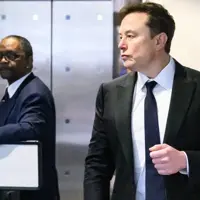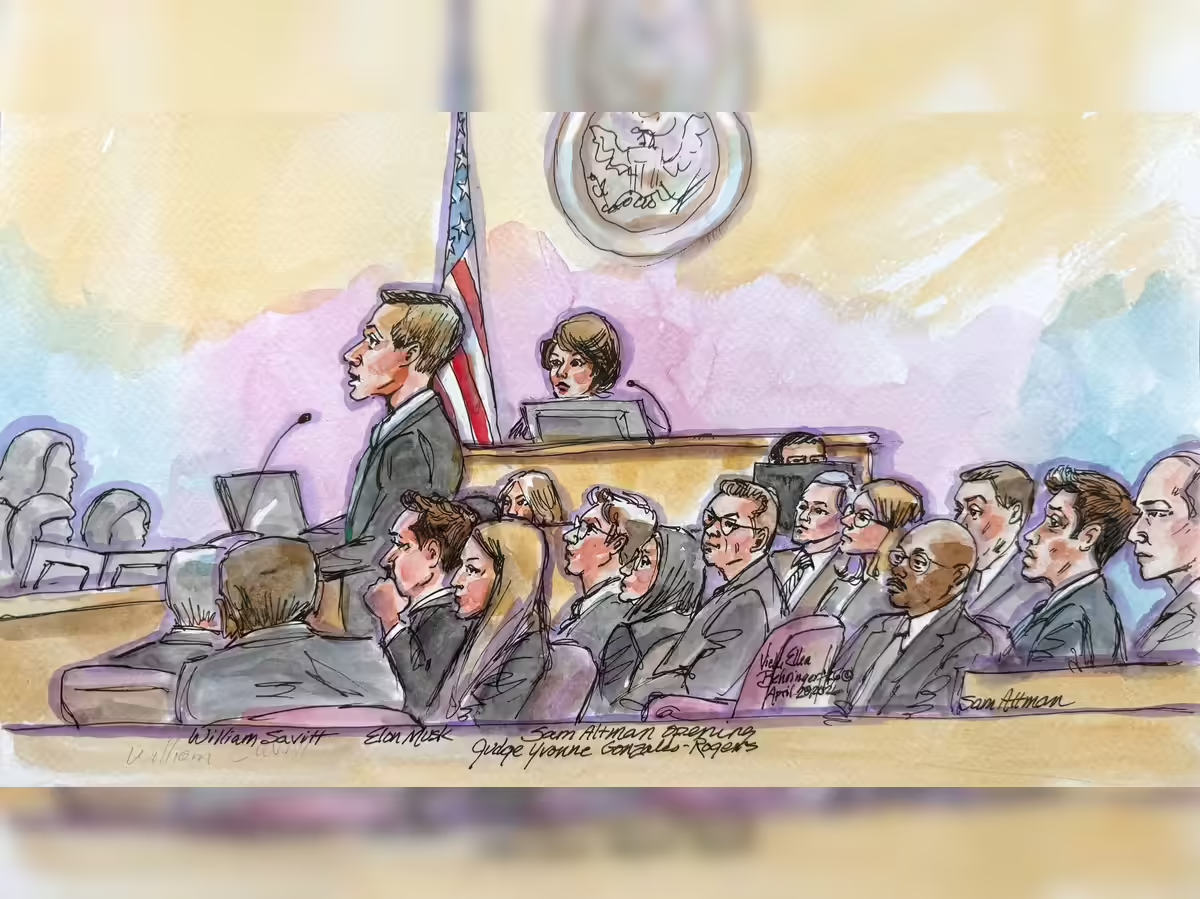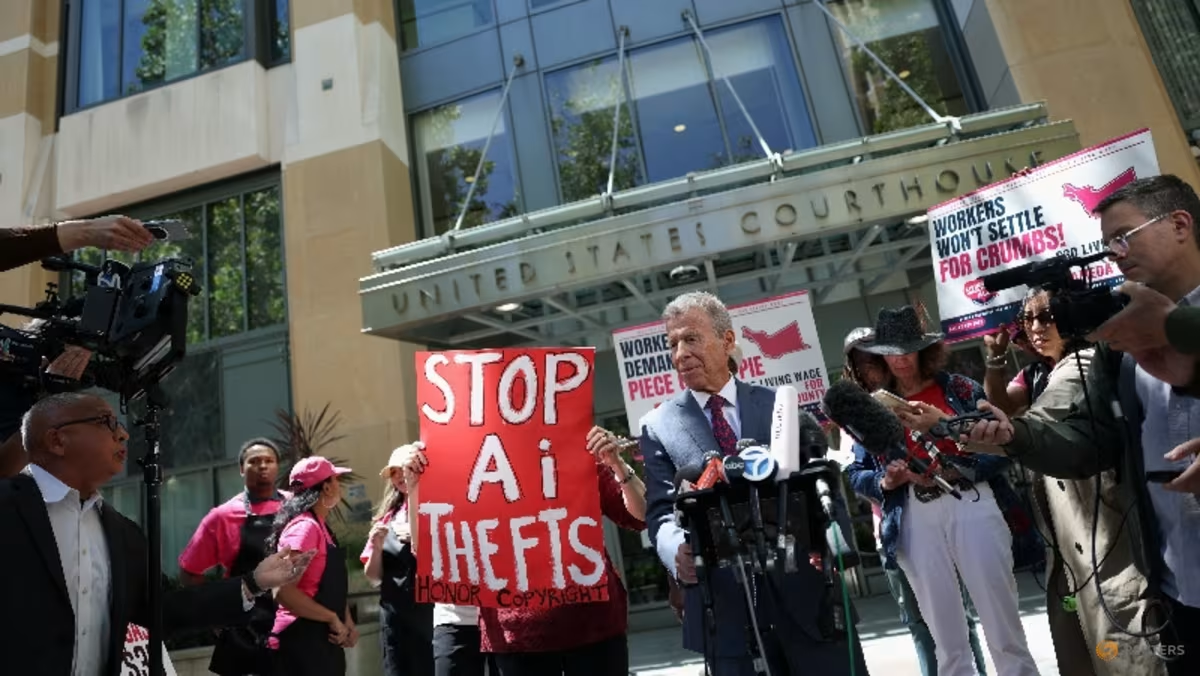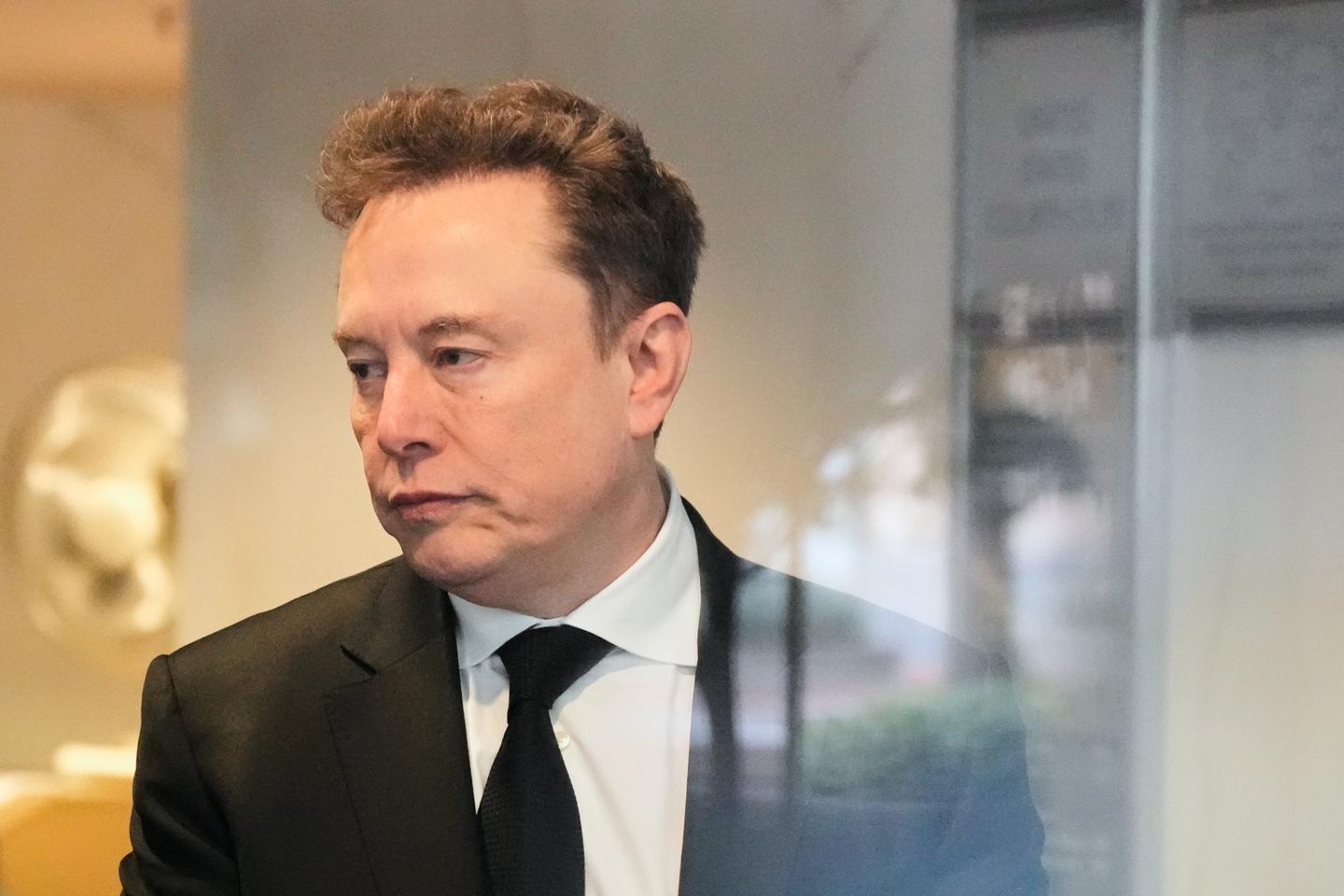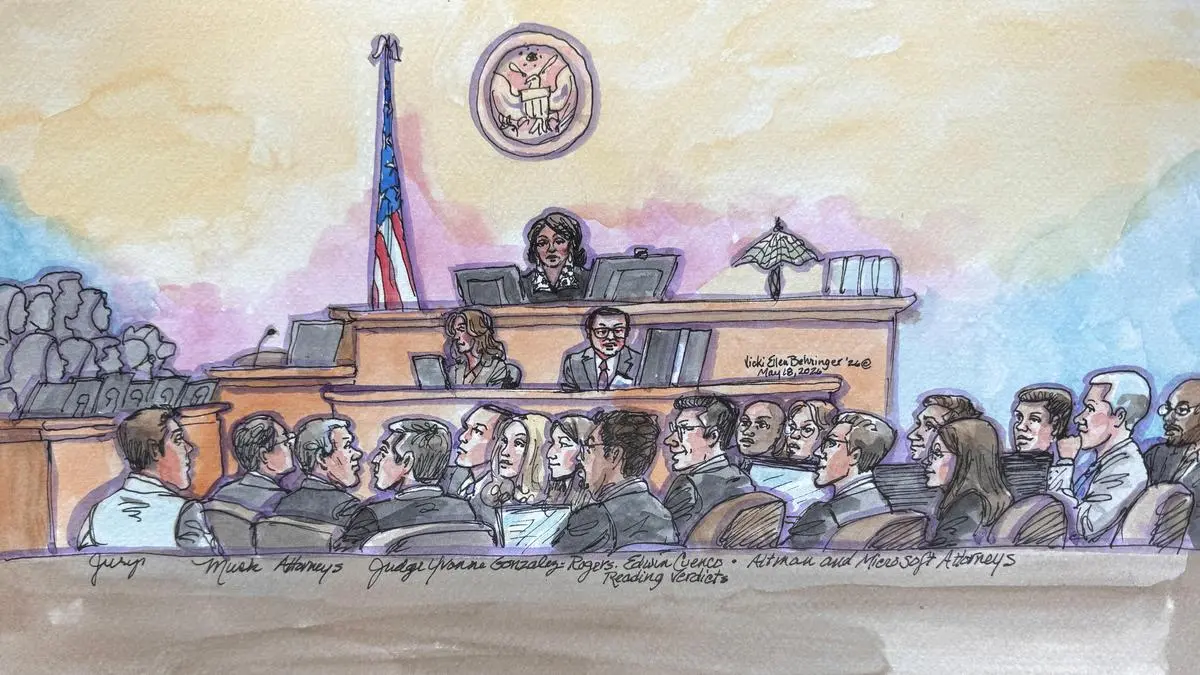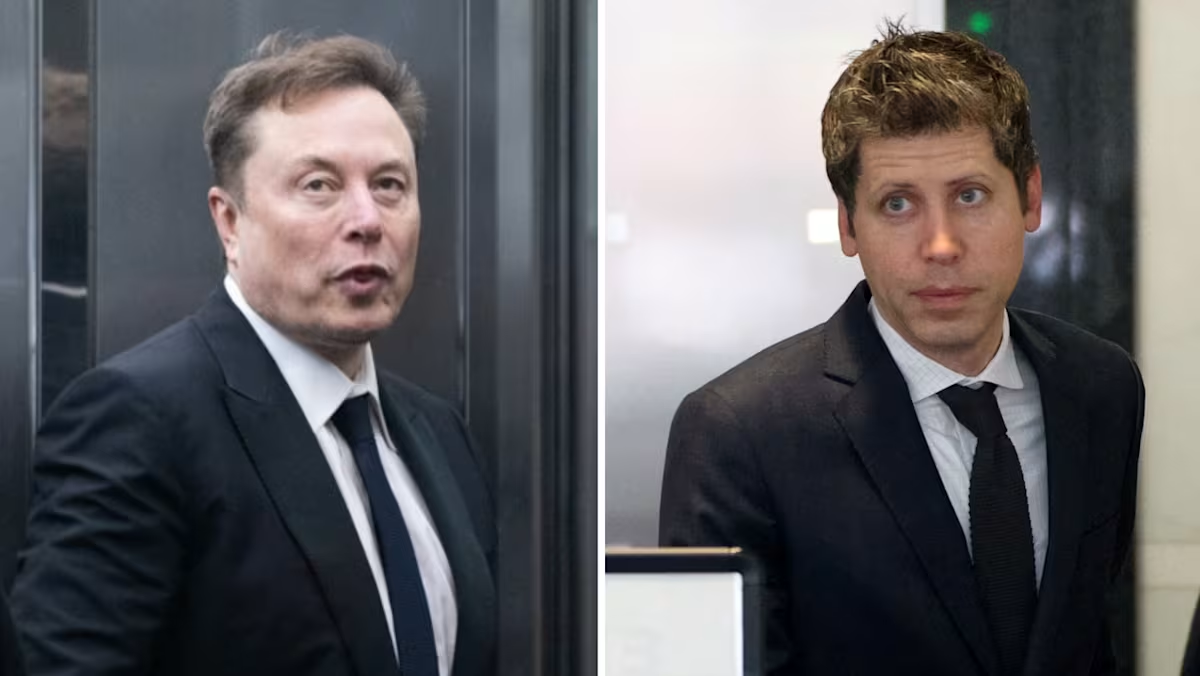
A blockbuster legal battle between Elon Musk and OpenAI has ended in a decisive victory for the creators of ChatGPT - but not before exposing deep tensions over mission versus money and the future of artificial intelligence. After a three-week trial, a US jury ruled on Monday (May 18) that Musk waited too long to bring his lawsuit against OpenAI and its leadership, including CEO Sam Altman and president Greg Brockman.The decision shuts down - at least for now - one of the most closely watched legal showdowns in tech.Here’s what we know about the trial, the courtroom drama and the questions it has raised about who controls AI and how it should be built. What is the case about?
At the heart of Musk’s lawsuit was a sweeping accusation that OpenAI had betrayed its founding mission.Musk, the world’s richest man, was a co-founder of OpenAI, which launched in 2015 as a nonprofit meant to develop safe artificial intelligence for the benefit of humanity. After investing US$38 million in its first years, Musk accused OpenAI CEO Sam Altman and his top deputy of shifting into a moneymaking mode behind his back.The billionaire argued that the pivot to a for-profit structure - alongside deep ties to investors like Microsoft, Amazon and SoftBank - violated the founding mission.In court, Musk repeatedly described OpenAI as a charity."It was specifically meant to be for a charity that does not benefit any individual person. I could've started it as a for-profit and I specifically chose not to," Musk testified. "There's nothing wrong with having a for-profit organisation, you just can't steal a charity.""If we make it ok to loot a charity, the entire foundation of charitable giving in America will be destroyed," Musk testified on the first day of the trial. "That’s my concern.”Musk sought about US$150 billion in damages from OpenAI and Microsoft, a major investor, to be paid to OpenAI's nonprofit. Musk also argued for the removal of Altman and Brockman.