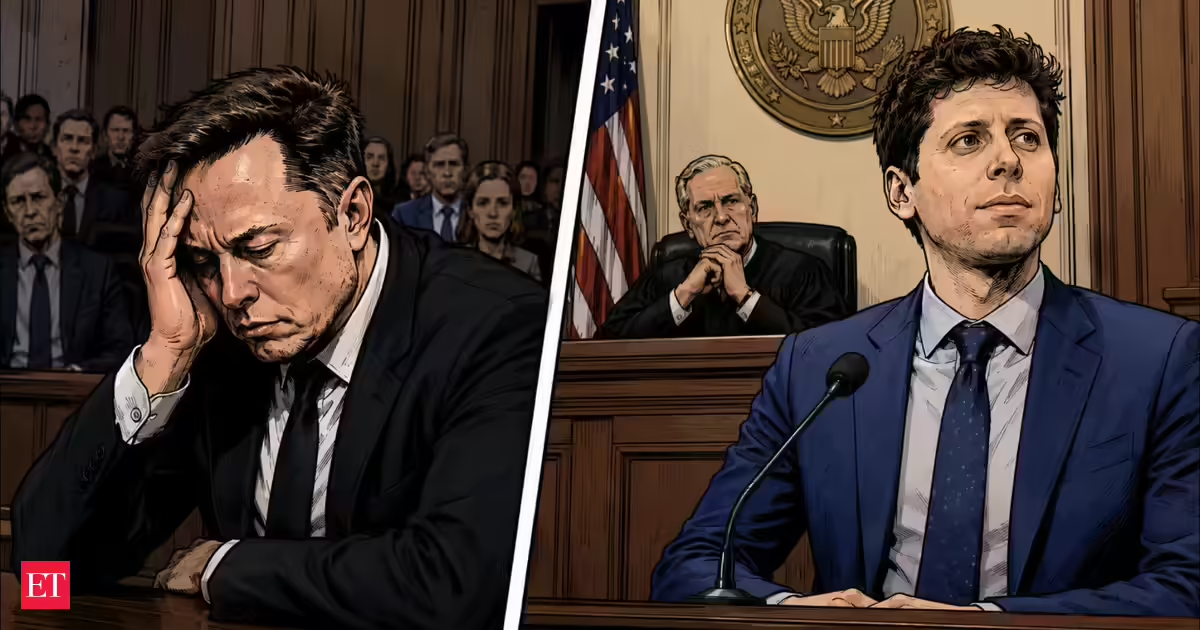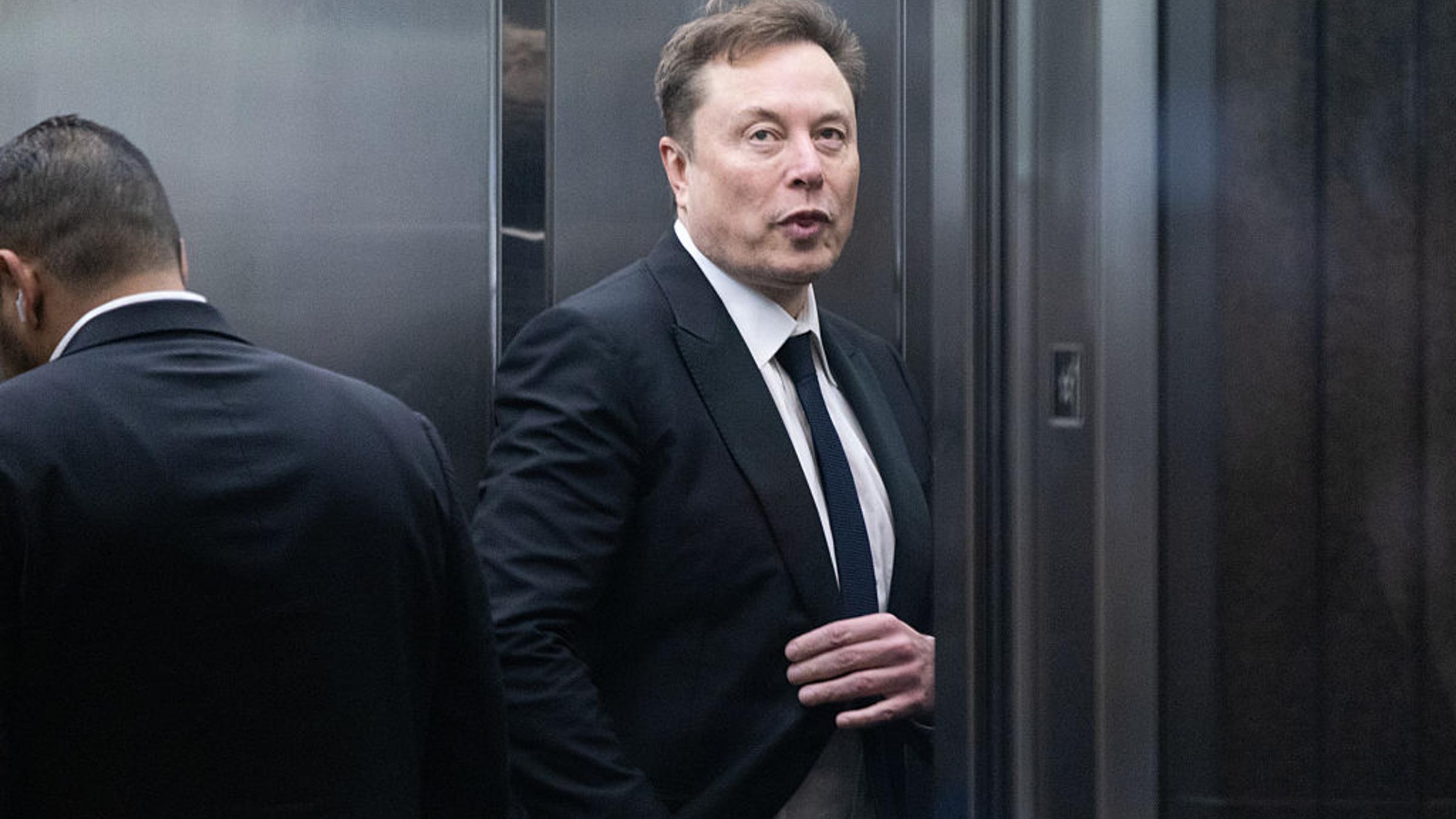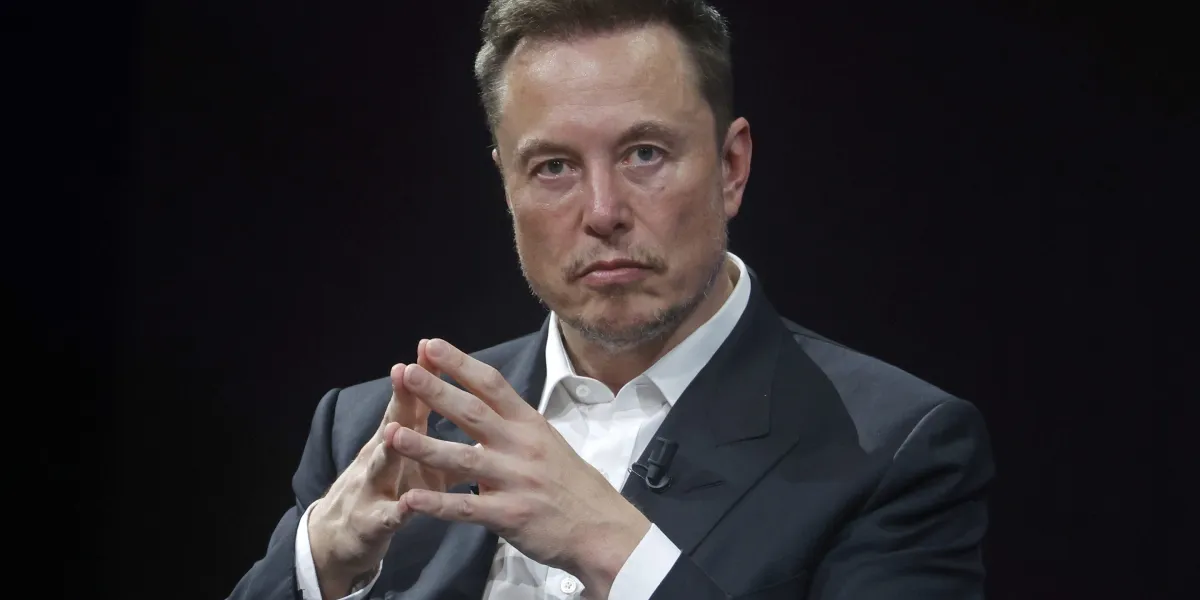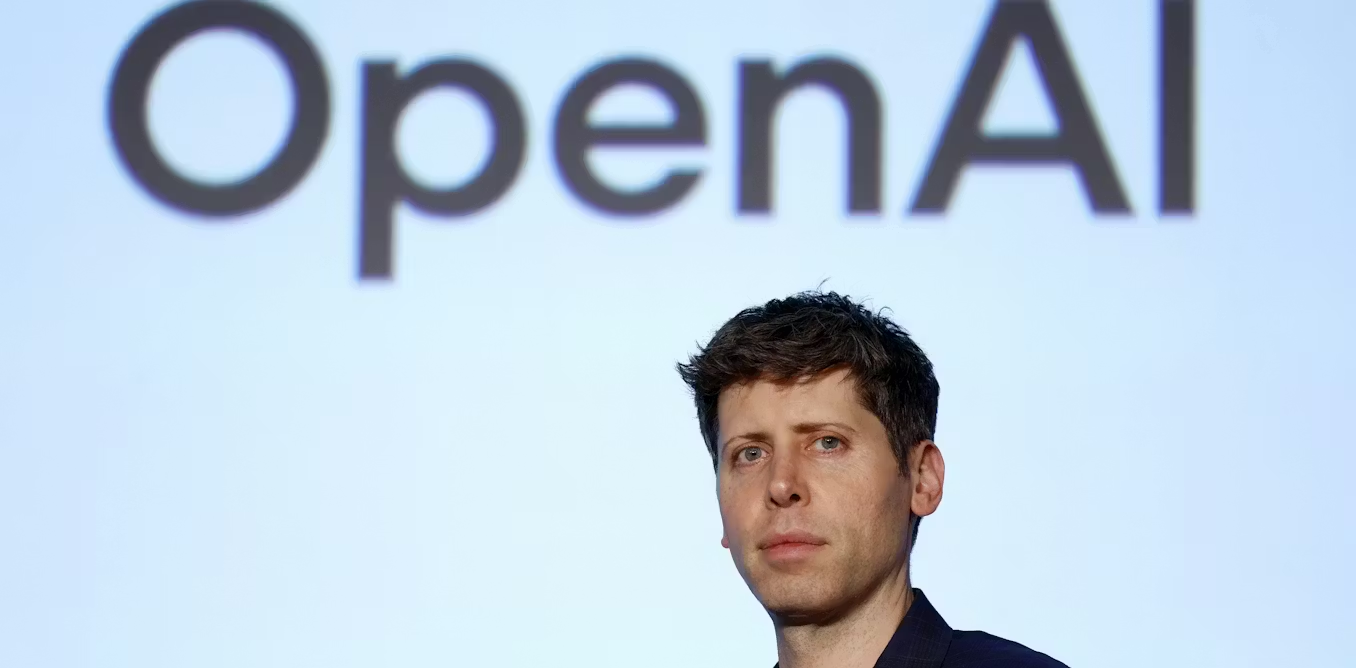
On Monday, a nine-member federal jury in Oakland, California took less than two hours to dismiss Elon Musk’s lawsuit against OpenAI and its chief executive Sam Altman.
Crucially, the jury did not rule on the core claims of the case. These included whether OpenAI, the company behind the popular artificial intelligence (AI) chatbot ChatGPT, strayed from its founding mission and whether Altman and OpenAI’s co-founder Greg Brockman enriched themselves at the expense of a charitable purpose.
It decided only that Musk had waited too long to sue in relation to his core claims about breaches of a founding contract or breach of charitable trust.
A victory for Musk could have neutered OpenAI, which in turn would have probably sent shockwaves through the entire AI sector given the company’s dominant position developing the technology.
Now, however, OpenAI has a clear path to take its next big step in the AI race, even though the key question at the core of the case remains unanswered: is OpenAI a nonprofit dedicated to humanity or a corporation dedicated to its shareholders?