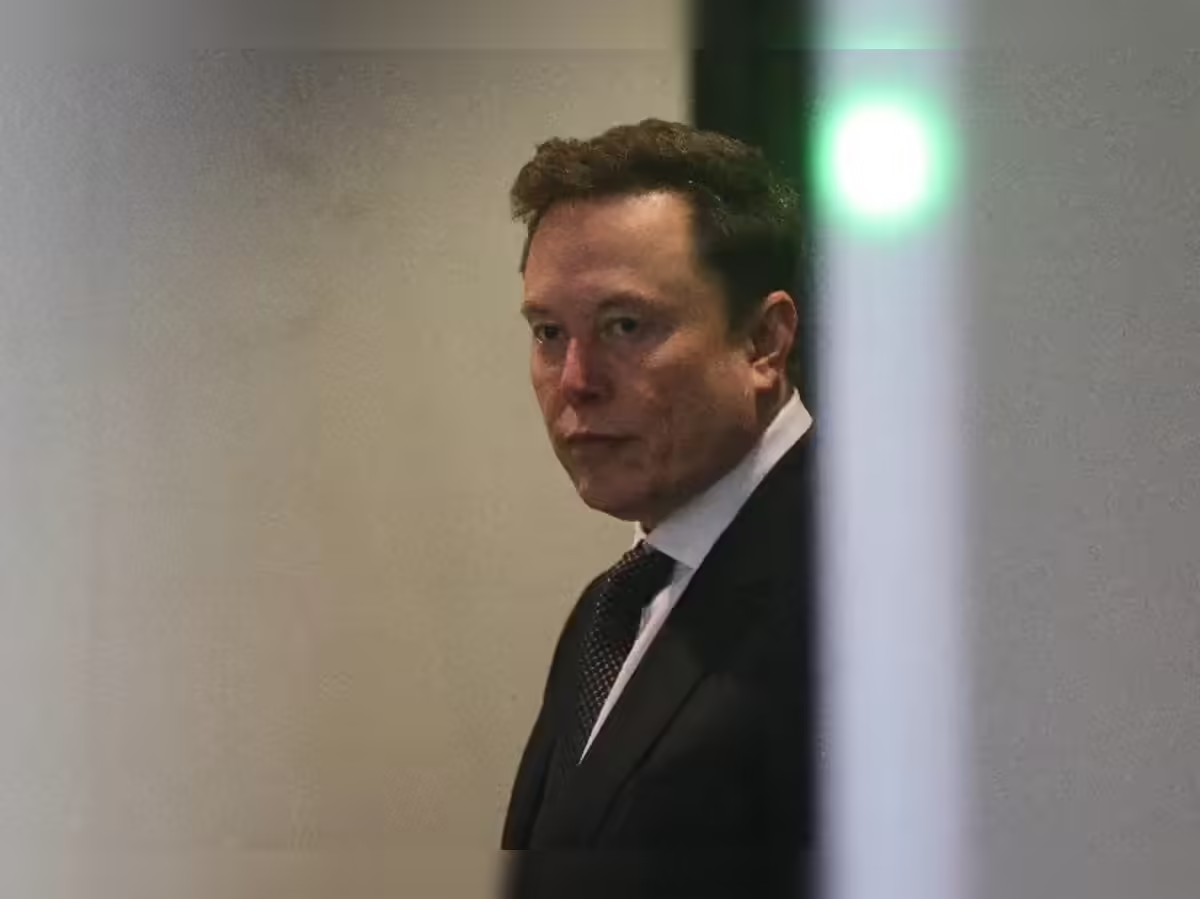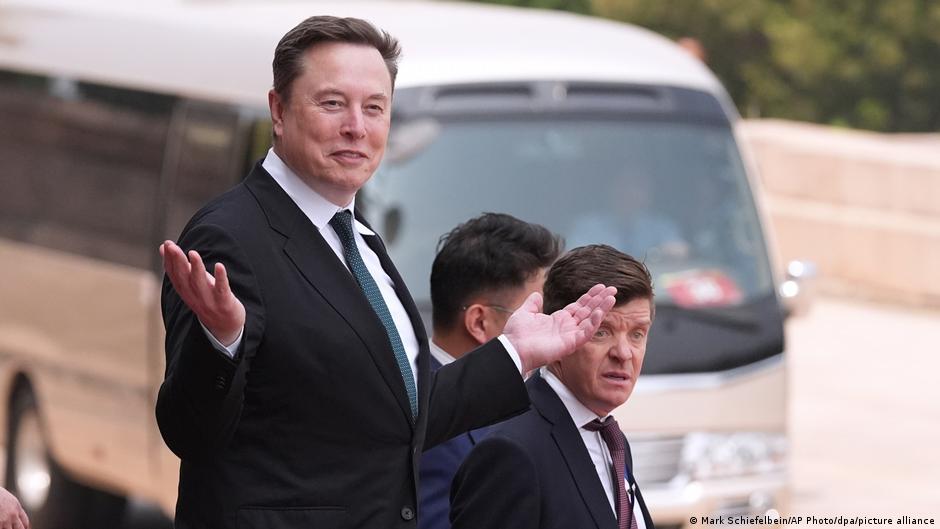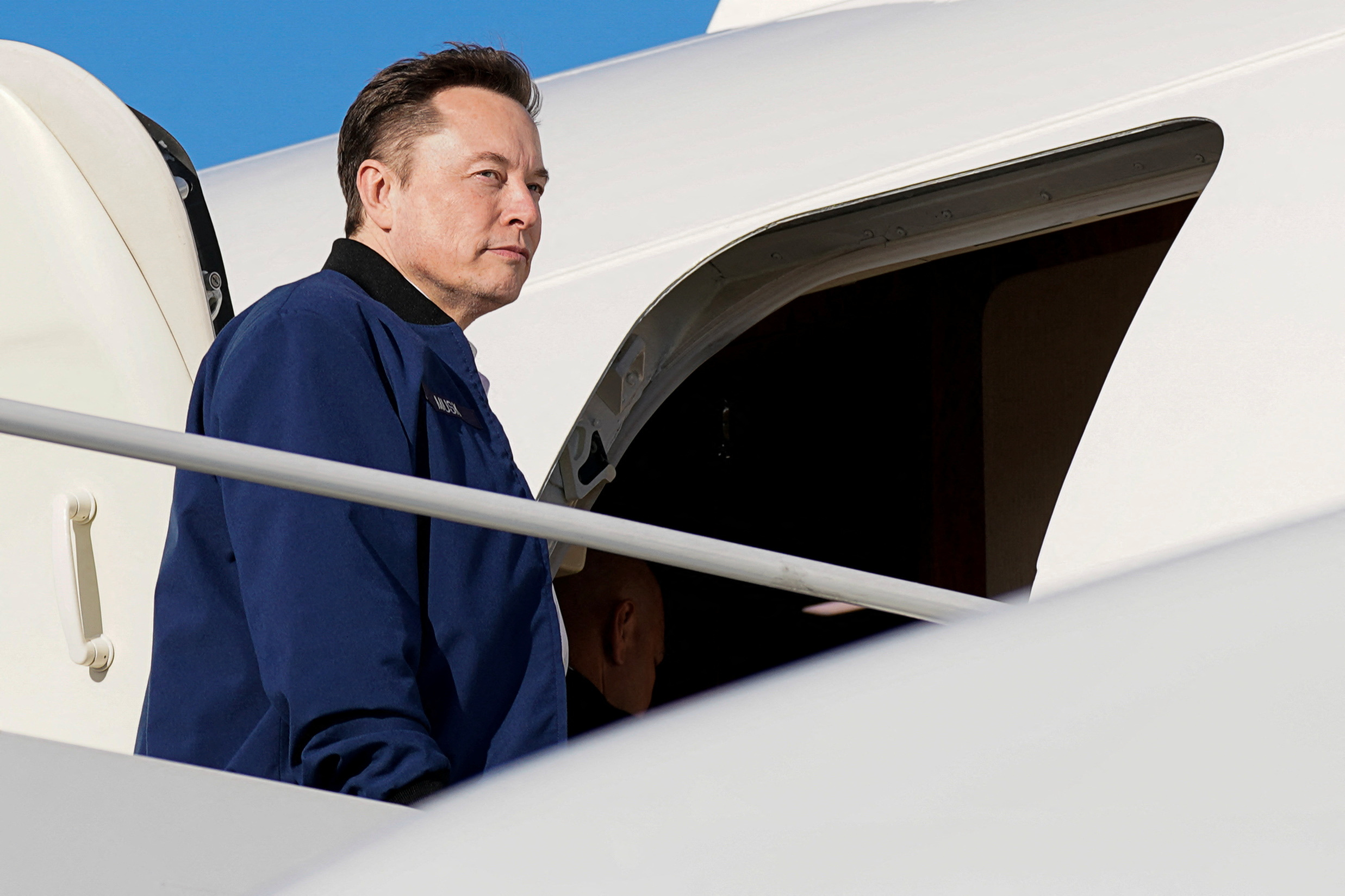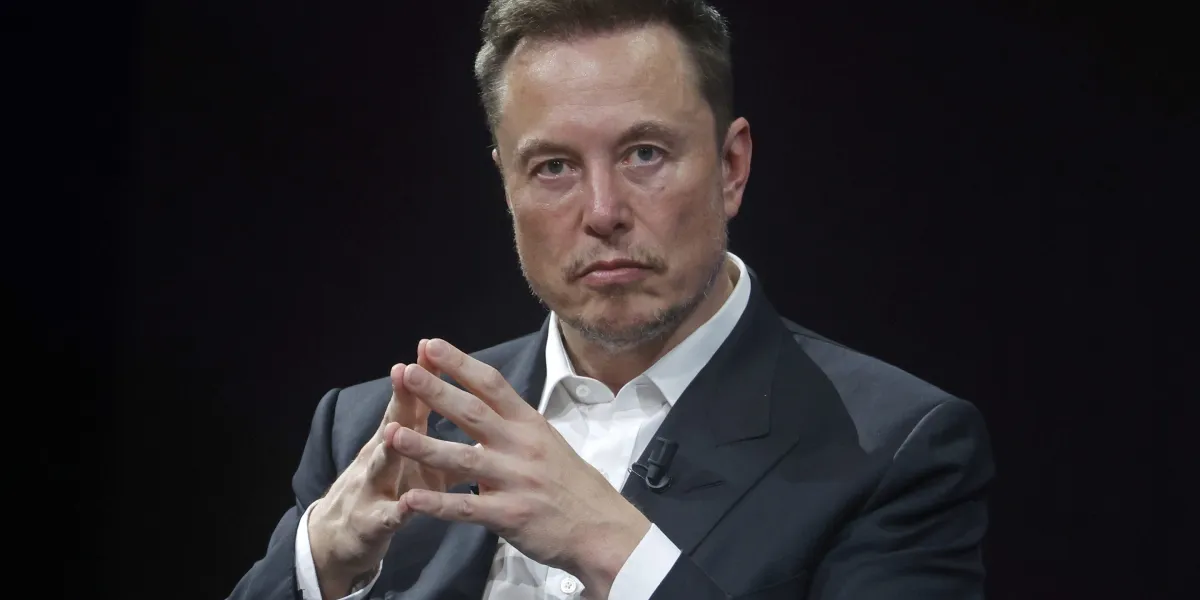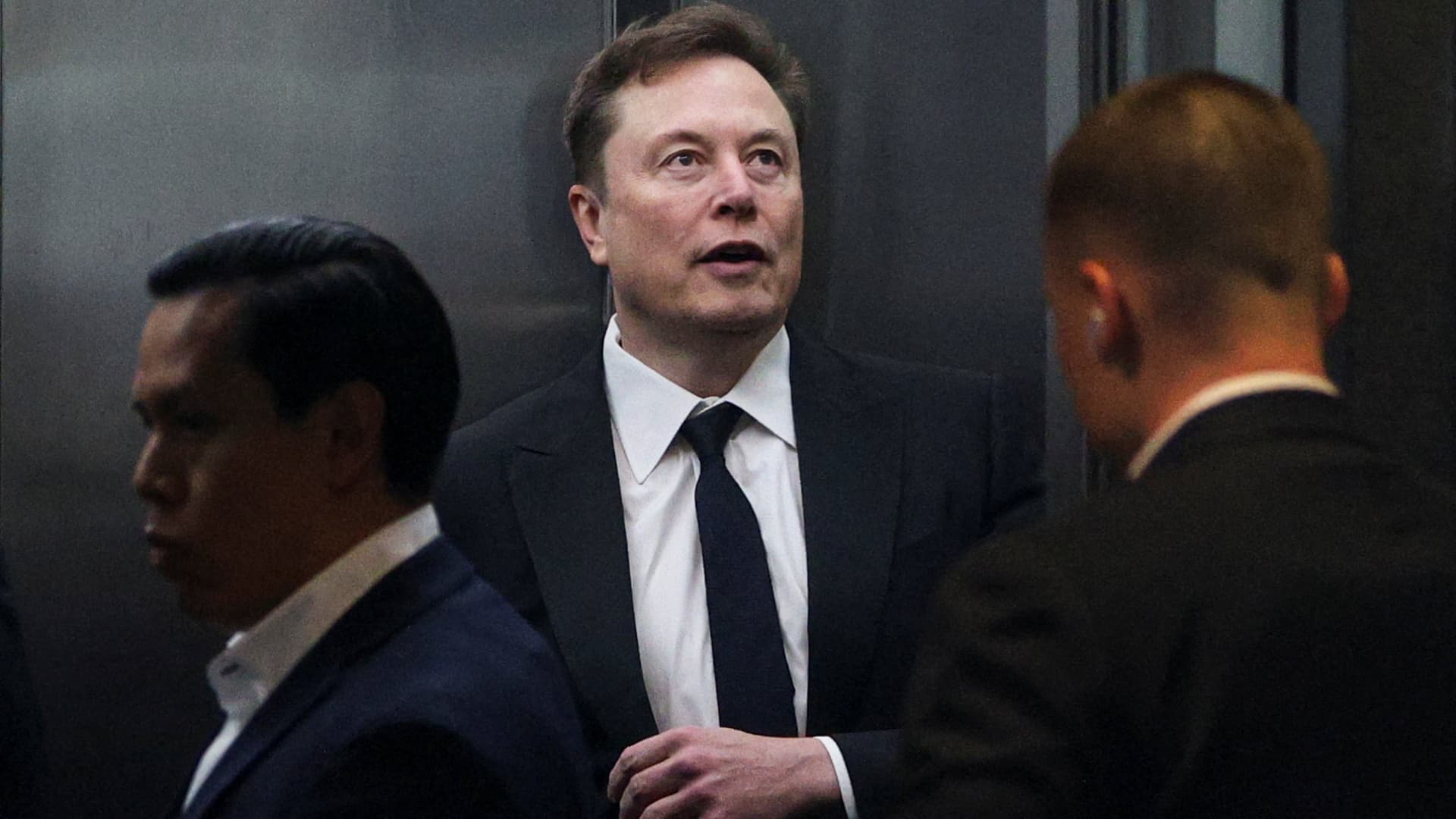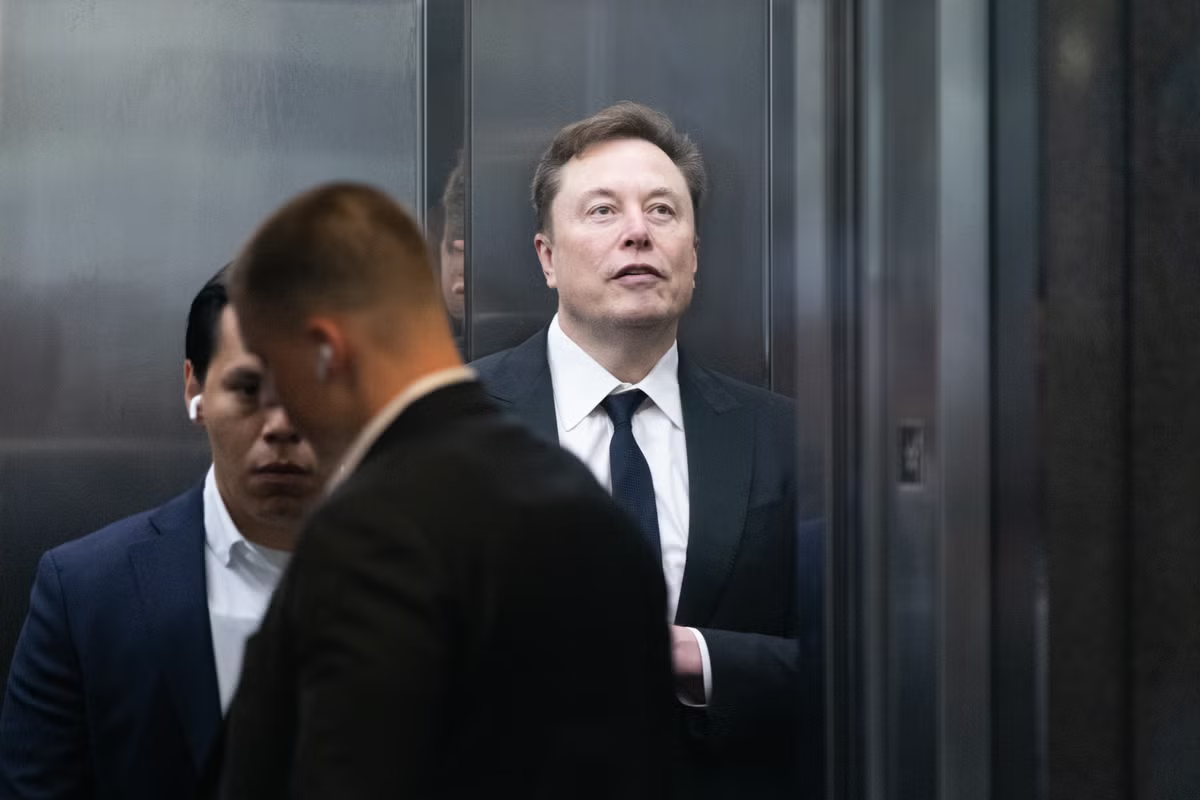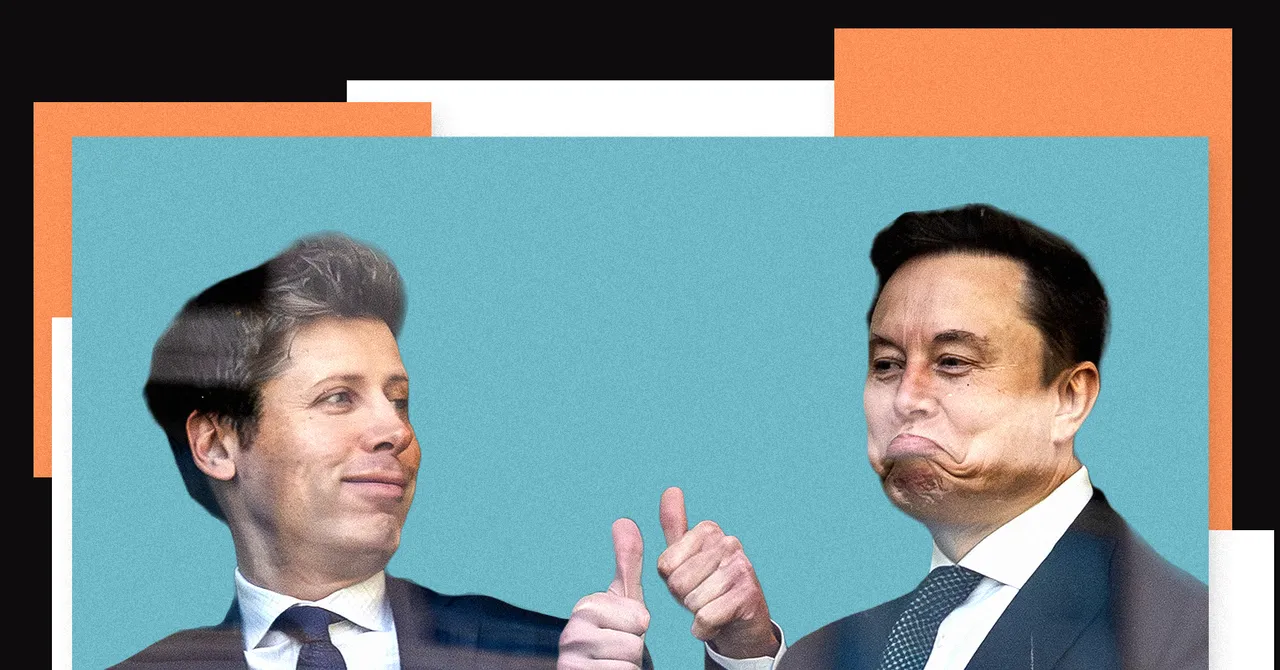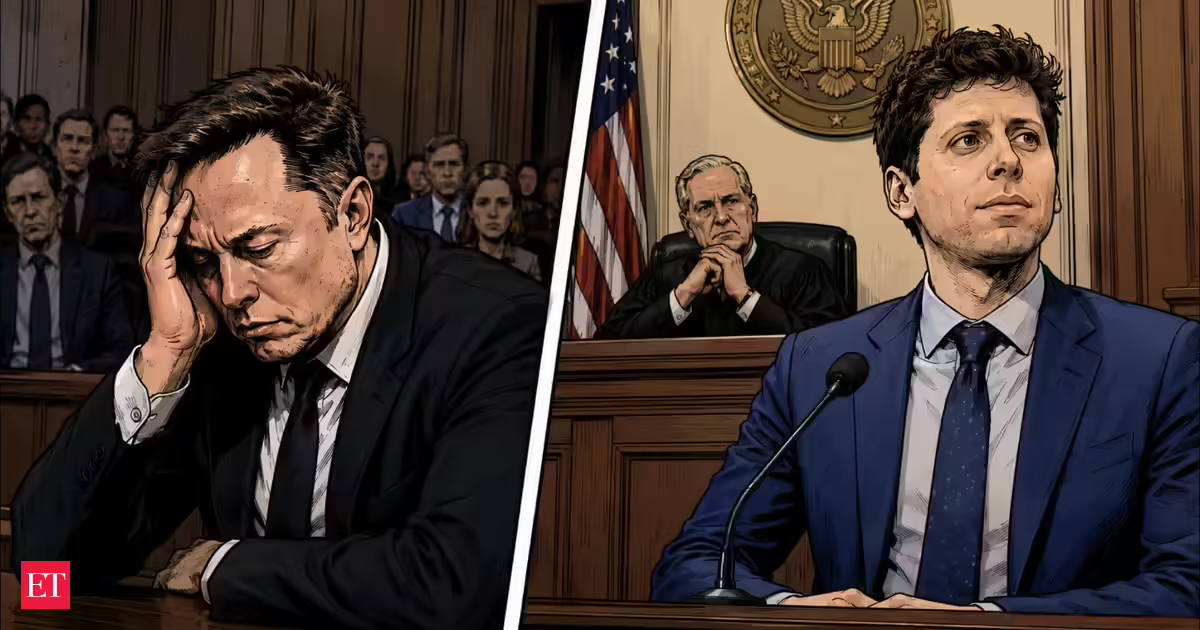
For years, the battle between Elon Musk and Sam Altman has been one of the most closely watched feuds in the tech world. Now, after weeks inside a California courtroom, the legal fight has ended with a major defeat for Musk. The ruling marks a huge moment for OpenAI as the company continues its rapid rise in the global AI race.The courtroom battle between Elon Musk and OpenAI officially came to an end Monday after a jury sided against the Tesla and SpaceX billionaire in his lawsuit targeting Sam Altman, Greg Brockman, Microsoft, and the artificial intelligence company he once helped create.The case, heard in Oakland, California, centered on Musk’s claim that OpenAI had betrayed its founding purpose by shifting away from its nonprofit roots and building a massive for-profit business instead.You Might Also Like:But after fewer than two hours of deliberation, the jury dismissed Musk’s claims.ALSO READ: Tom Kane cause of death: Beloved voice actor behind Yoda and Powerpuff Girls’ Professor dies at 64- here's what happened to himWhy did the jury reject Musk’s case so quickly?U.S. District Judge Yvonne Gonzalez Rogers agreed with the jury’s findings and said Musk’s claims were filed outside the legal time limit allowed for the lawsuit.The court ruled that “claims of breach of charitable trust and unjust enrichment are dismissed as untimely.”“There’s a substantial amount of evidence to support the jury’s finding,” Gonzales Rogers said while wrapping up the three-week trial.You Might Also Like:Musk’s attorney, Steven Molo, responded by reserving the billionaire’s right to appeal the ruling.The lawsuit had originally been filed in 2024 and quickly became one of the most talked-about legal fights in Silicon Valley because it involved two of the world’s biggest figures in artificial intelligence.ALSO READ: China wouldn't let Marco Rubio in, so he did something nobody in US politics has ever doneWhat did Elon Musk accuse Sam Altman and OpenAI of doing?At the center of Musk’s argument was the claim that OpenAI executives had “stole a charity” by abandoning the organization’s original mission.Musk testified that he donated roughly $38 million to help build OpenAI because he believed the company would develop AI “for the benefit of humanity,” not for private enrichment.He argued that Altman and OpenAI President Greg Brockman shifted the company toward profits and personal gain after originally presenting it as a nonprofit AI lab.Musk also targeted Microsoft, which invested heavily in OpenAI beginning in 2019. He claimed the tech giant helped OpenAI move away from its original structure. That claim against Microsoft was dismissed as well.Musk’s legal team wanted the court to force OpenAI and Microsoft to surrender as much as $134 billion in what they described as “ill-gotten gains.” They also pushed to remove Altman and Brockman from leadership positions and reverse OpenAI’s 2025 restructuring.According to Musk, any recovered money should go back to “the OpenAI charity” instead of being paid directly to him.ALSO READ: Fidelity Investments data breach settlement with up to $5,000 compensation for affected customers- here's who can file a claimHow did OpenAI defend itself during the trial?Lawyers representing OpenAI argued that Musk’s donations came without restrictions and that restructuring the company was necessary to compete with rivals such as Google DeepMind.The defense also presented evidence showing Musk himself had previously discussed the possibility of creating a for-profit structure if he maintained control over the company.At one point, according to testimony during the trial, Musk even floated the idea of folding OpenAI into Tesla.OpenAI’s legal team portrayed the lawsuit as an attempt by Musk to slow down a competitor after failing to gain influence over the company.The trial featured testimony from several major tech figures, including Sam Altman, Greg Brockman, Microsoft CEO Satya Nadella, and Musk himself.ALSO READ: Why did Melania skip Trump's China trip? Her office's one-line answer raises more questionsHow important is this victory for OpenAI now?The ruling comes during a critical period for both OpenAI and Musk’s growing AI ambitions.In March, OpenAI reportedly raised $122 billion at a valuation exceeding $850 billion. The company continues expanding ChatGPT and competing aggressively in the AI industry while also facing growing pressure from rival firms including Anthropic.Meanwhile, Musk launched his own AI company, xAI, in 2023. The company later became part of SpaceX and is now expected to move toward a massive public offering.SpaceX reportedly filed confidentially for an IPO in April after reaching a valuation of roughly $1.25 trillion following its merger with xAI earlier this year.Inside the Oakland courtroom, lawyers representing OpenAI and Microsoft reportedly celebrated the verdict with hugs and back slaps after the decision was announced.One of Silicon Valley’s biggest legal battles appears over — though Musk’s legal team has made it clear the fight may not be finished yet.FAQsWhy did Elon Musk lose the lawsuit?The jury ruled that Musk filed his claims too late under the statute of limitations.What was Musk accusing OpenAI of?He claimed OpenAI abandoned its original nonprofit mission for financial gain.
Did Elon Musk lose his landmark OpenAI lawsuit? Jury delivers swift verdict-here's what you need to know
A California jury has rejected Elon Musk's lawsuit against Sam Altman and OpenAI. Musk claimed OpenAI abandoned its nonprofit mission for profit. The jury dismissed his claims as untimely. This ruling is a significant victory for OpenAI amidst its rapid growth in the AI race. Musk's legal team reserves the right to appeal the decision.
817 words~4 min read