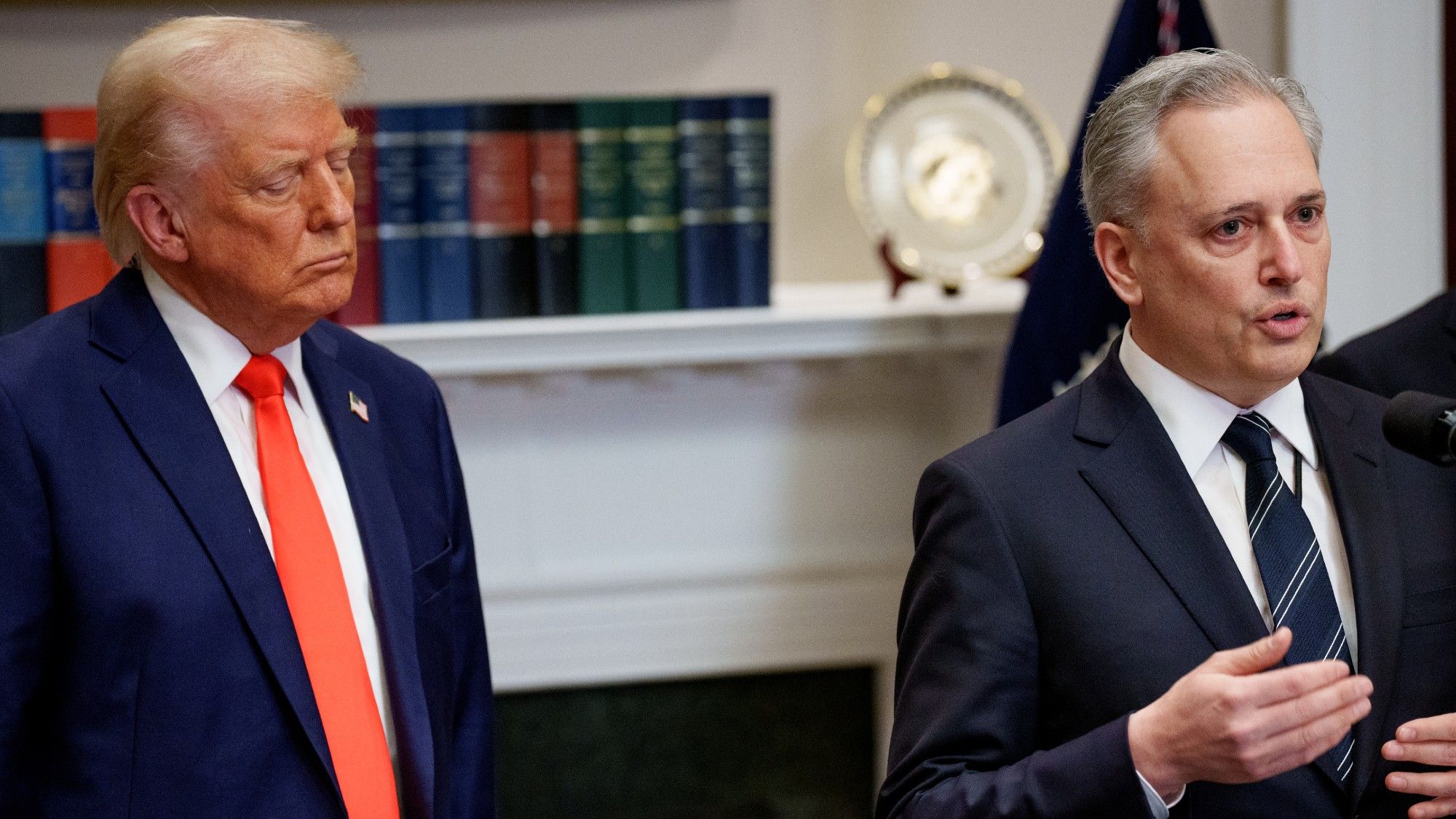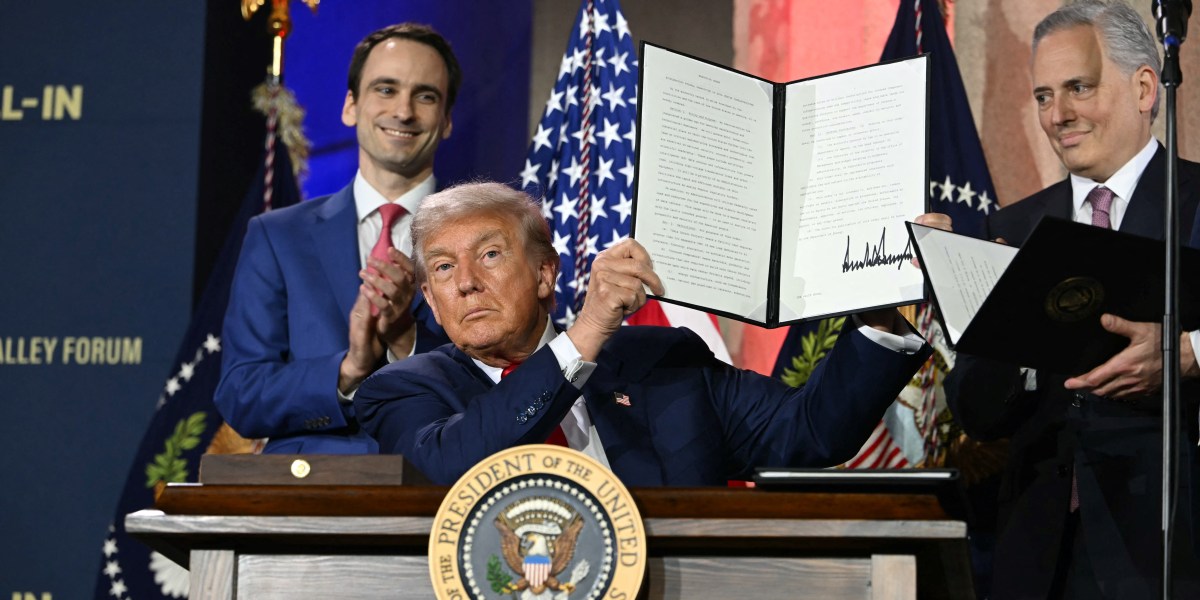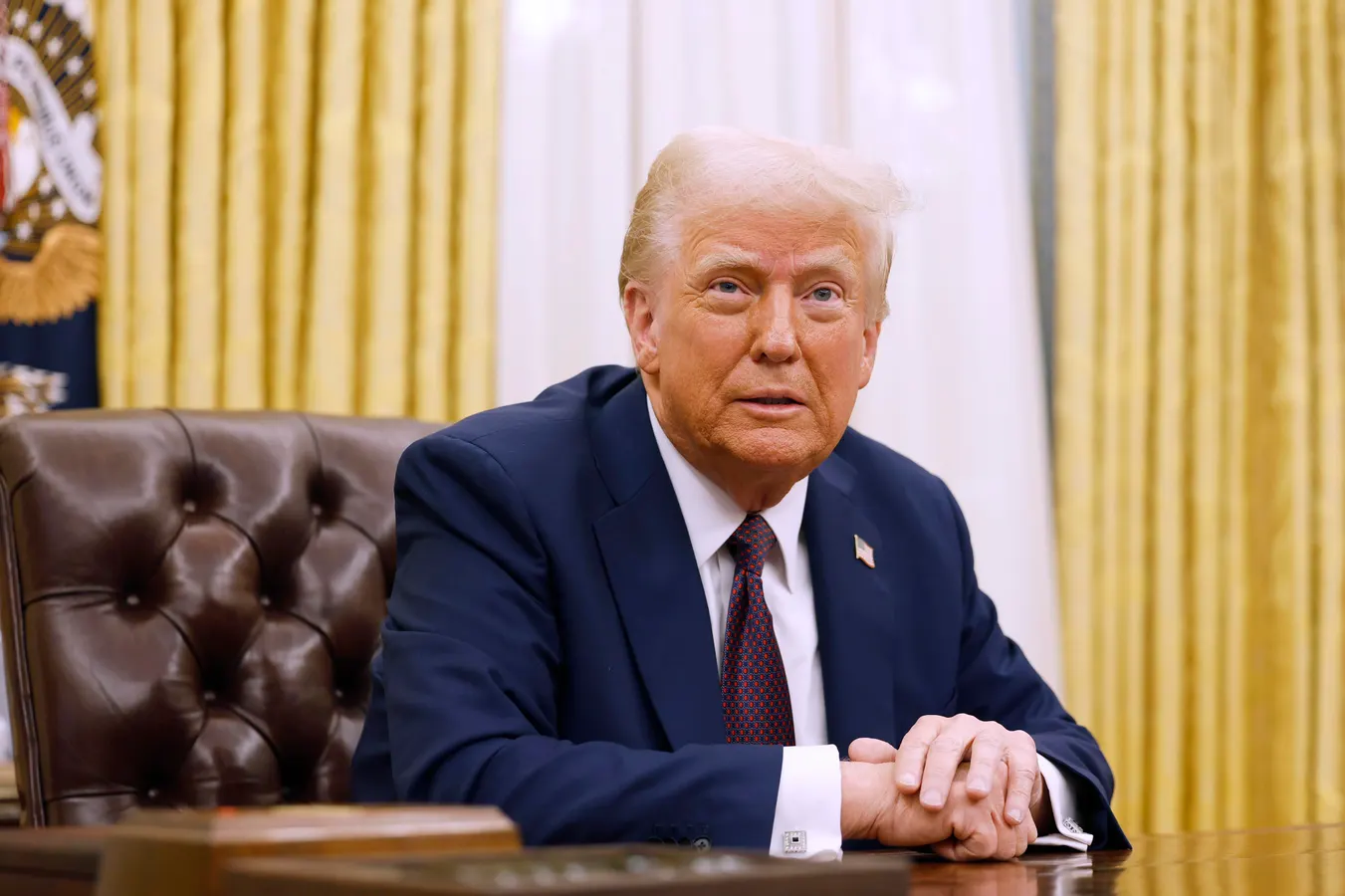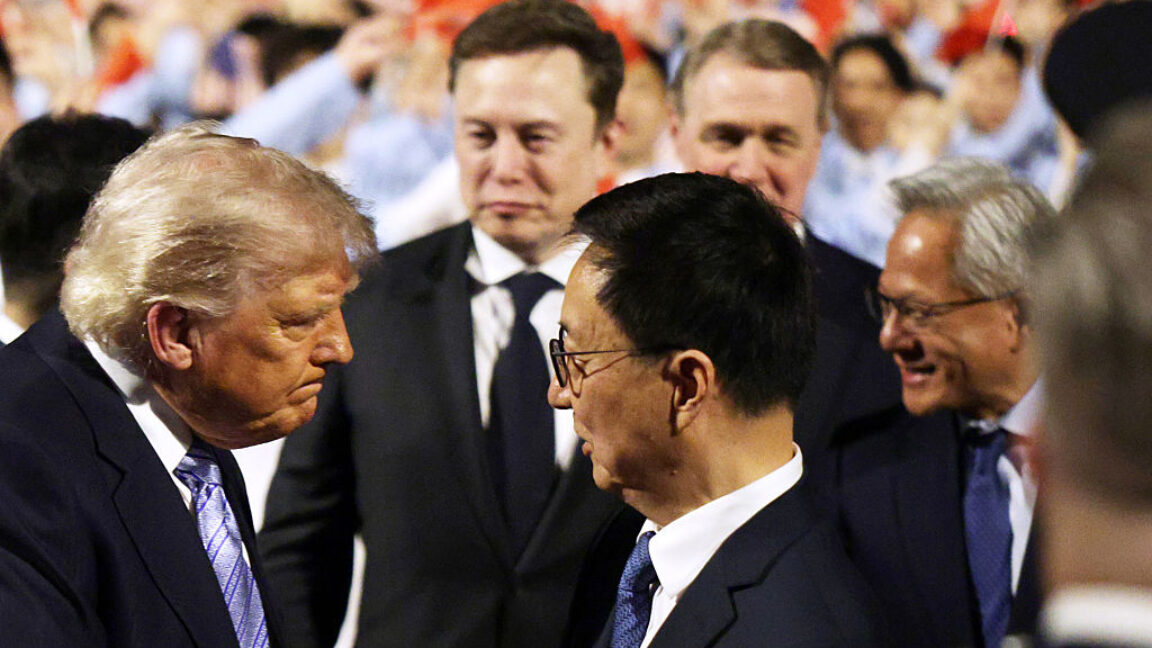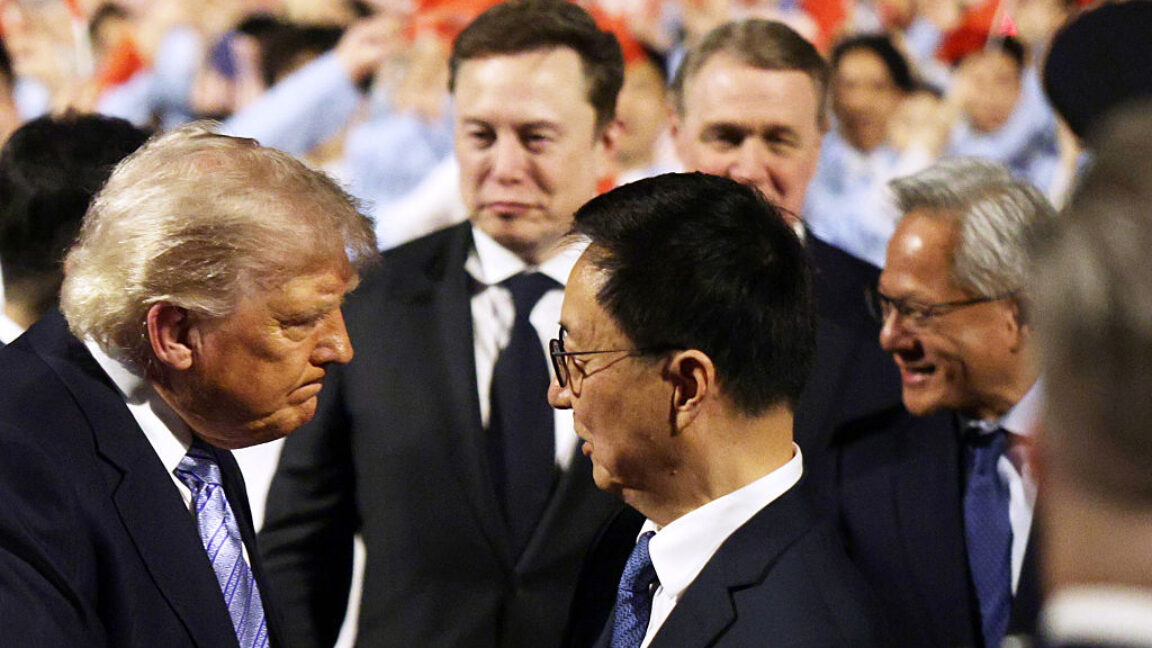
Hello and welcome to Eye on AI. In this edition…momentum builds for U.S. AI regulation…Musk loses his lawsuit against OpenAI…Andrej Karpathy goes to Anthropic…Google debuts a “Co-Scientist”…and are humans the limiting factor when it comes to deploying AI?I spent much of the past week in Washington, D.C., where, when it comes to AI, change is in the air. The Trump administration is in the process of pivoting from an AI policy built largely around opposing and dismantling AI regulation, to a possible federal licensing regime for AI models. Meanwhile, support for AI regulation is building on both sides of the aisle on Capitol Hill, and if the Democrats seize at least one Congressional house in November, the passage of AI legislation of some kind is almost guaranteed. Not only that, but President Donald Trump’s visit to China last week seems to have signaled a significant shift in the administration’s thinking on international AI governance too.This transition is driven by two things. One is the public backlash against AI, which has gained significant momentum in the past few months, as a story in the Wall Street Journal earlier this week chronicled. The viral video of former Google CEO Eric Schmidt’s commencement address at the University of Arizona in which the graduating students roundly booed him every time he mentioned AI is just one data point. A litany of recent polls have shown that most Americans are more fearful than hopeful about AI, with the gap sometimes as wide as 40 percentage points. Seven in 10 Americans oppose the construction of data centers in their local community. An Annenberg Public Policy Center poll released last week found that two-thirds of Americans thought the government had done too little to regulate AI, a view held by the majority of Republicans and independents, as well as Democrats.Politicians know they can’t afford to be on the wrong side of numbers like this. Trump, who has populist instincts, is starting to see this too. It’s one of the reasons that the more populist-minded and politically savvy of Trump’s advisors, people like Treasury Secretary Scott Bessent and Susie Wiles, have moved to wrestle AI policy away from tech bro advisors such as David Sacks, Sriram Krishnan, and Michael Kratsios. Denizens of Silicon Valley’s venture capital scene, they simply don’t have the instincts for how AI is playing out on Main Street and how it could, if the White House gets it wrong, pose a major problem for the GOP in November and beyond.You can also see this effect in OpenAI’s decision last week to endorse both the bipartisan Kids Online Safety Act (KOSA), which would require all online platforms that potentially have children as users to take steps to prevent and mitigate any harm to them, as well as a state AI bill, SB 315, currently pending before the Illinois state legislature. That bill would require companies building frontier AI models to establish safety frameworks, conduct annual audits, report any critical incidents, and protect whistleblowers. Many tech industry associations have been lobbying against KOSA, saying its tenets are vague and potentially unconstitutional. Meanwhile, OpenAI had previously opposed safety legislation in California that was substantially similar to the Illinois bill. But apparently OpenAI has belatedly figured out which way the wind is blowing.
The times they are a-changin': Trump pivots towards AI regulation in the face of a mounting public backlash | Fortune
With the public opposed to AI, politicians embrace the idea of regulation. Trump even considers talking to China on AI safety.
2,923 words~13 min read