The EU Commission has set out a blueprint to offer cash and other incentives to increase production of green fertilisers across the bloc, and subsidise the higher fertiliser prices now faced by farmers from the disruption caused by the Iran war — in a major blow to major external suppliers like Morocco.
The disruption of international fertiliser supply via the Strait of Hormuz, which has been blockaded by Iran in response to the military assaults against it by the United States and Israel, is expected to hit food production and supply in the coming months.
For example, disruptions to sulphur supply – a key fertiliser ingredient – have already pushed Middle East sulphur prices about 35 percent higher since the start of the conflict in late February.
The current crisis echoes the severe market shocks of 2022, when Russia’s invasion of Ukraine sent natural gas and fertiliser prices to record highs, exposing Europe’s deep dependencies on energy and agricultural inputs.
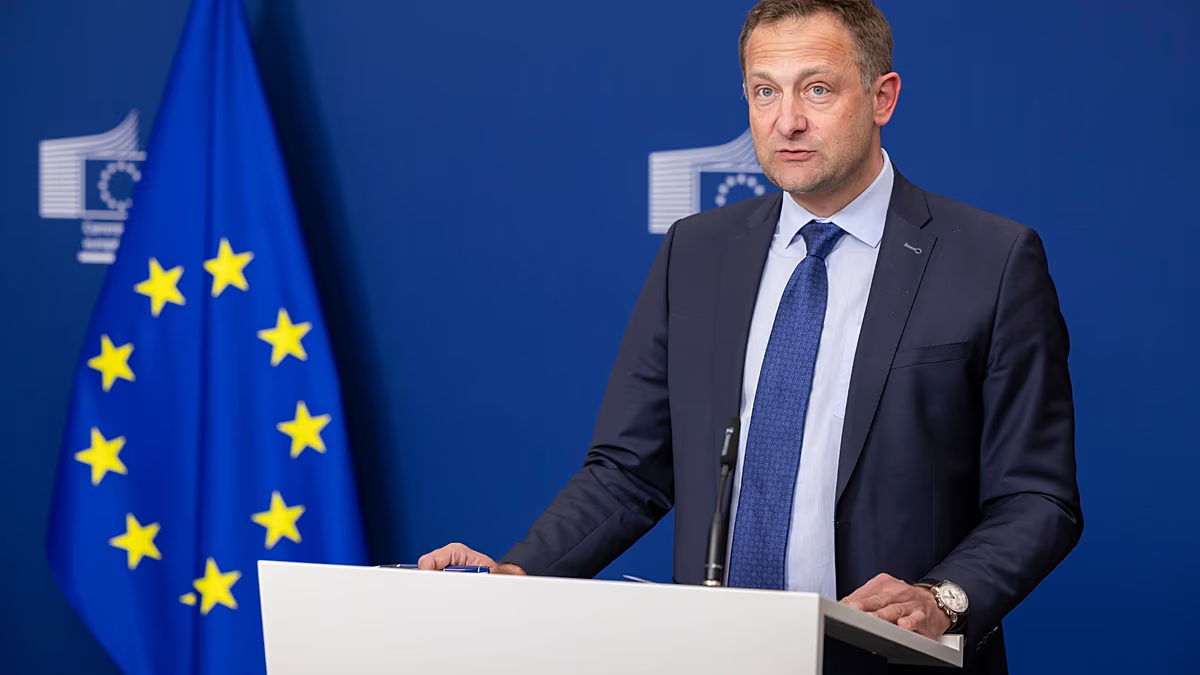
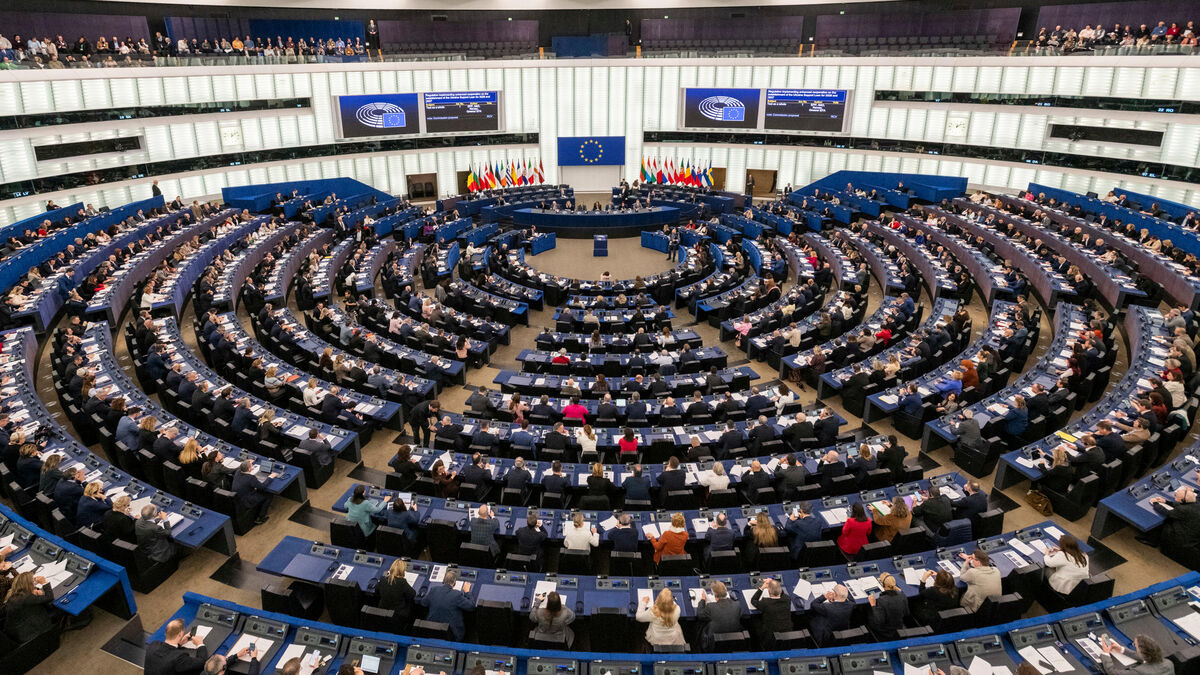
The bloc’s agriculture commissioner Christophe Hansen told MEPs in Strasbourg on Tuesday (19 May), that nitrogen fertiliser prices are about 70 percent higher than the 2024 average, and significantly higher than pre-Covid levels.