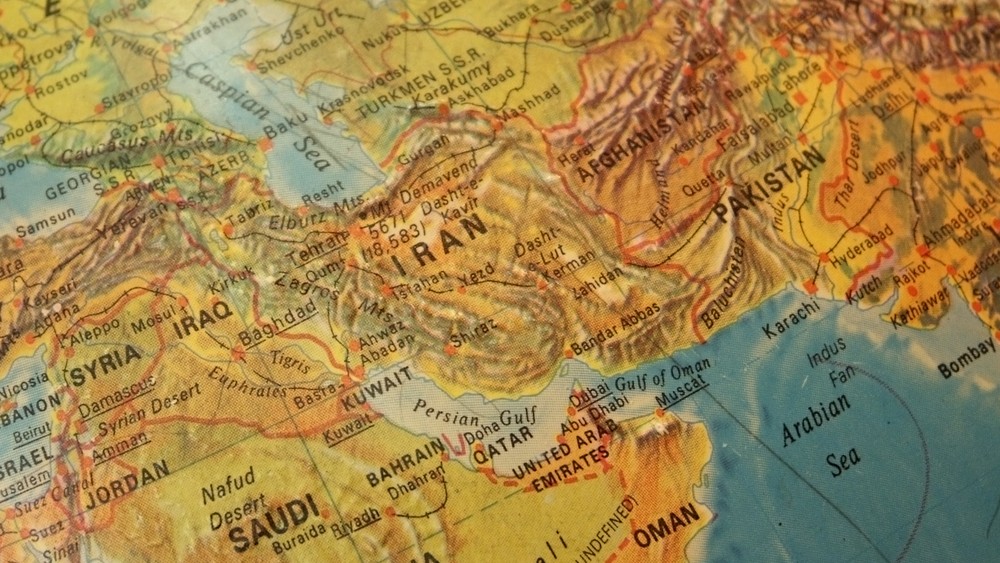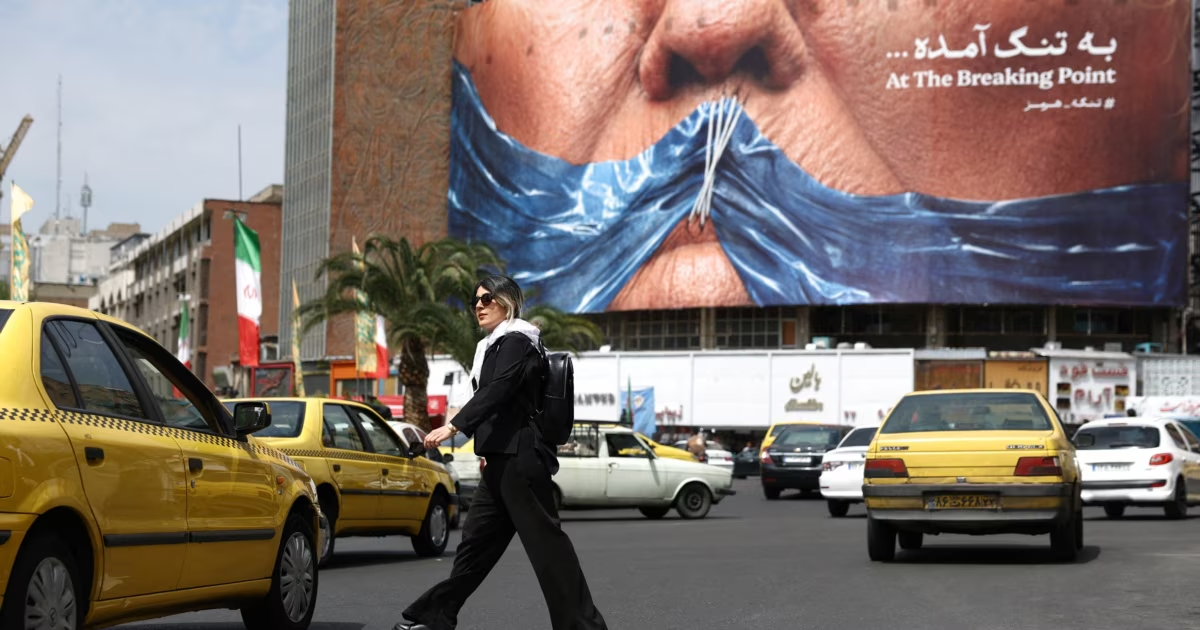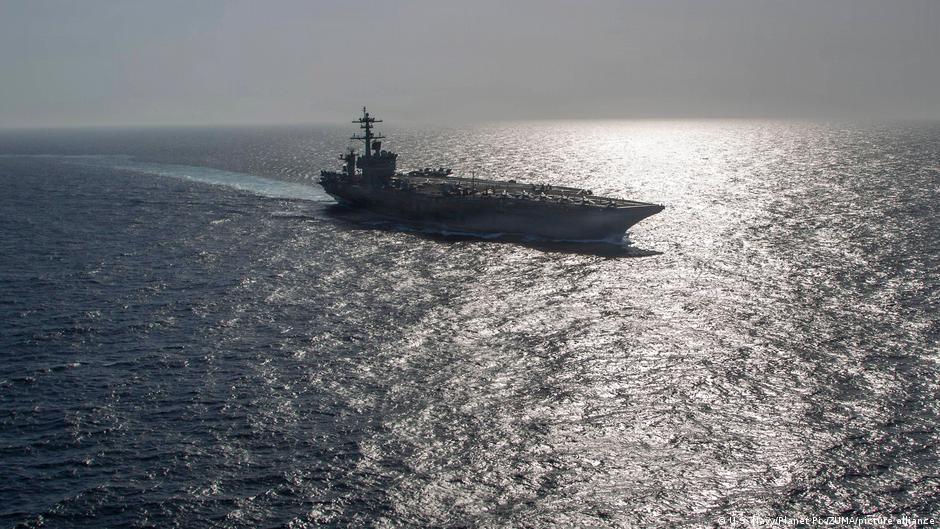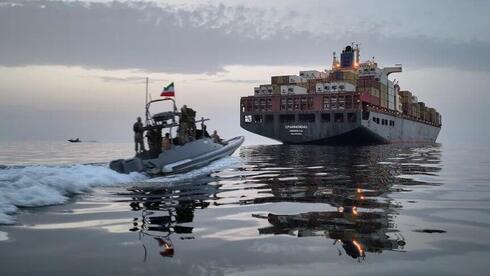
Tehran’s pressure on Gulf energy targets and global shipping has forced Washington and Jerusalem into a war of attrition, raising oil prices and complicating efforts to reopen the vital straitynet|Nearly three months into the war, Iran’s regime has managed to disprove the central assumption in Washington and Jerusalem: that a quick decision could be achieved. Tehran survived a wave of targeted killings at the start of the war and absorbed heavy blows, but later managed to turn the campaign into a war of attrition, in which even the stronger side struggles to secure a clear victory.Since mid-March, Iran has maintained effective control over the Strait of Hormuz, one of the world’s most important shipping lanes, through which a significant share of global oil and gas trade passes. That control has allowed Tehran not only to disrupt maritime traffic and raise the price of escalation, but also to reduce the freedom of action of the United States and Israel against Iran’s energy industry. It also led Trump to restrain Israel’s war in Lebanon against Hezbollah.In other words, Iran found a way to hurt not only its direct enemies, but also countries that matter greatly to them: the Gulf states.“Iran is definitely in the driver’s seat here,” Nicole Grajewski, a researcher on Iranian foreign policy at Sciences Po, told The New York Times. “The U.S. is just kind of groping in the dark right now.”On the surface, this is a surprising outcome. The United States has the strongest military in the world, while Iran is a far more limited regional power. But wars are not fought only according to the direct balance of power between two sides.In this case, Dr. Daniel Sobelman of the Hebrew University, who studies Iran’s deterrence strategies, told the Times that Tehran succeeded by using a strategy game theory experts call “triangular coercion”: harming a more vulnerable third party that has influence over the stronger adversary.The idea is simple: when a state cannot directly defeat a powerful enemy, it strikes a weaker actor that matters to it. In Iran’s case, those actors were mainly the Gulf states, which are militarily vulnerable while being economically and strategically essential to the United States.Iran’s attacks on them early in the war, along with its ability to effectively close the Strait of Hormuz, have so far helped prevent a U.S.-Israeli victory. The strategy could carry long-term implications not only for the outcome of the current war and Iran’s role in the Middle East, but also for the limits of American power elsewhere.Iran began applying pressure on the Gulf states shortly after the war began on February 28, firing at ships passing through the Strait of Hormuz. In practice, the move closed the narrow waterway, through which about 20% of the world’s oil passes.The turning point in Iran’s use of triangular coercion came about two and a half weeks later, when Israel struck Iran’s South Pars natural gas field on March 18.Tehran responded by attacking Ras Laffan, a liquefied natural gas facility in Qatar and one of the largest and most important in the world, as well as launching drone attacks on refineries in Saudi Arabia and Kuwait.According to Sobelman, that response created a new equation: “If Israel or the United States attacks Iran’s energy facilities, Iran will attack the energy facilities of the Gulf states.”Hours later, Trump wrote on social media that the Israeli strike had not been coordinated with the United States and that there would be no further Israeli strikes on South Pars as long as Iran stopped attacking Qatar.4 View gallery (Photo: Brendan SMIALOWSKI / AFP)Although the sides continued to exchange blows, from that point a new escalation ceiling appeared to take shape.“The United States and Israel are relatively protected from direct military attacks, but Gulf states like Qatar and the United Arab Emirates are far more vulnerable,” Sobelman said. “Iran succeeded by leveraging its vulnerable neighbors against their powerful patron.”Iran’s attacks on Gulf energy facilities pushed oil prices to their highest level since the start of the war. Tehran thereby made clear that further escalation would not remain only military, but would also carry an economic cost for the United States and the West.The move did not end the war, but it created what Grajewski described as “intrawar deterrence”: a situation in which, even during an active conflict, the sides avoid crossing certain lines.For Iran, this was a significant success. Within days, Trump announced that the United States and Iran were holding negotiations. On April 8, the sides agreed to a ceasefire, although the Strait of Hormuz remained closed.Since then, one of the central questions in the campaign has been how to reopen the Strait of Hormuz, and especially how to prevent Iran from continuing to hold it as a future pressure lever.So far, efforts to pressure Tehran into reopening the vital shipping route have failed. In April, the United States imposed its own blockade on the strait and said it would remain in place until the sides reached a stable peace agreement.The move also put pressure on Iran, which needs oil export revenue and could eventually face storage problems for the oil it produces. But it did not reopen the strait.Earlier this month, Trump announced an American operation meant to escort ships trapped in the strait. Two days later, however, he backed away from the move, leaving more than 1,000 vessels stranded.“That, to my mind, says a lot about Iran’s ability to restrain and deter the United States,” Sobelman said.As the crisis continues, experts believe Iran will try to preserve at least partial control over the waterway. Nitya Labh, a fellow at the Chatham House international security think tank in London, told the Times that the longer Iran can hold shipping hostage, the stronger the understanding becomes that Tehran will have to be treated as a legitimate stakeholder, and beneficiary, in reopening the strait.The implication is that Iran, even after suffering severe damage in the war, may emerge from it with a new strategic asset. Partial control over the Strait of Hormuz could become not only a source of revenue for the regime, but also a major deterrent tool and a source of geopolitical power.Grajewski described it as the regime’s “insurance policy”: the very ability to close the strait again in the future could deter the United States and Israel from launching further attacks.This scenario also points to a broader weakness in Trump’s foreign policy. The United States remains the world’s strongest military power, but this war shows that even it is not immune to counterpressure, especially when an adversary succeeds in threatening U.S. partners, global markets and sensitive economic interests.4 View gallery (Photo: AP Photo/Mark Schiefelbein)Not every country can or will use the same strategy of triangular coercion against a superpower. But Iran’s example may encourage others to try.In Tehran’s case, the narrow strait at the entrance to the Gulf has turned from a local pressure point into a much larger test: how far American power really reaches, and what happens when even a weaker adversary finds a way to impose a price.
Strait to the point: how Iran turned Hormuz into its US-Israel strike insurance
Tehran’s pressure on Gulf energy targets and global shipping has forced Washington and Jerusalem into a war of attrition, raising oil prices and complicating efforts to reopen the vital strait
1,177 words~5 min read