In times to come, British politicians, historians and voters will try to figure out how, in the first quarter of the 21st century, Nigel Farage became one of the most powerful operators on these isles. How did he lure and captivate so many? Why did they not question his fibs and postures?
This chap was born into a wealthy family, attended a private school, was a City trader, wears fine suits, belongs to the most exclusive of London clubs, socialises with millionaires and powerful elites. But Martha, 65, a neighbour who worked for years as a shop assistant, once a Tory, now Reform, tells me: “He cares about working people. He will make this country great again.”
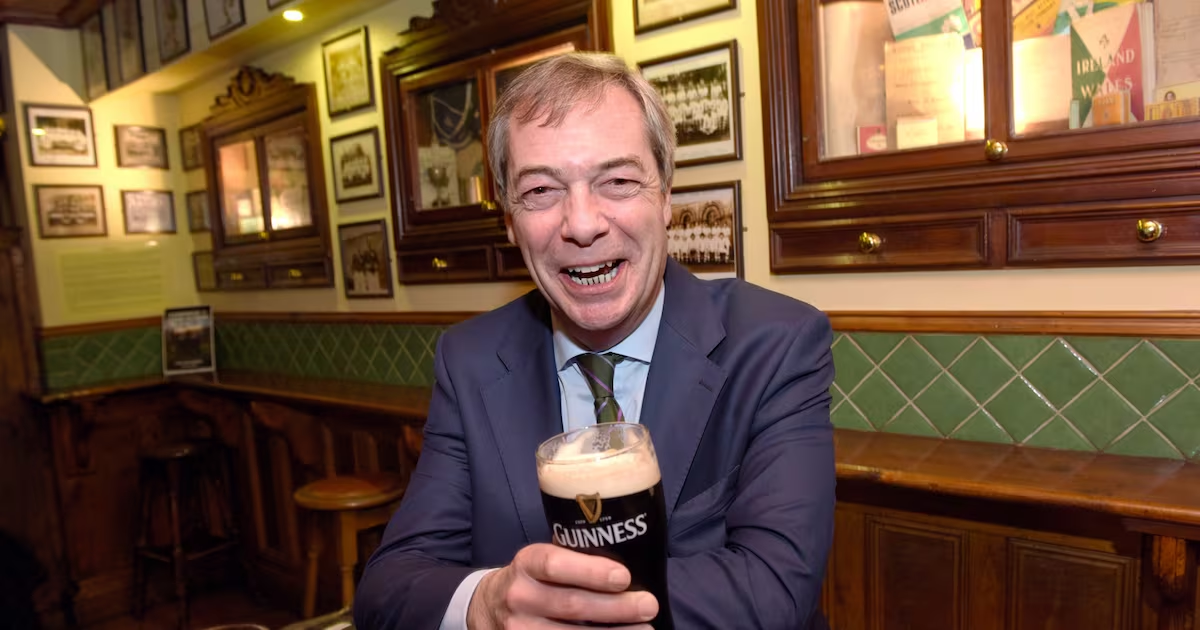
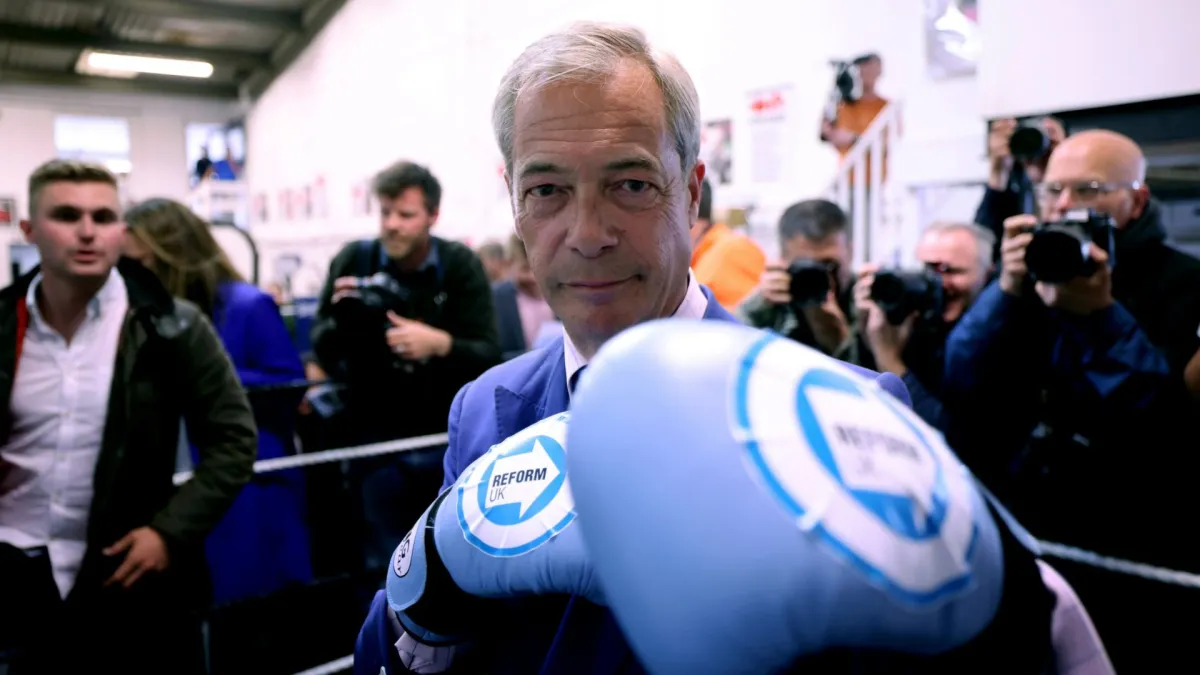
Such devotion, such faith in one so unworthy. It does my head in. Farage gives off the appearance of a spiv – defined in most dictionaries as a flashy, shady dealer. He dresses ostentatiously and plays the political system. His well-practised grins and glasses of ale, his choreographed moments of patriotic fervour and emotionally-charged nationalism, and various other manipulations have created an avatar. The real Farage is a grubby, shameless distorter of truths, a dissembler who ducks accountability.
As the former Green leader Caroline Lucas recently wrote about his part in getting the Brexit vote through: “There is a particular kind of audacity required to spend decades dismantling something, then point to the rubble and declare it someone else’s fault. Nigel Farage has that audacity in spades. He has built an entire political career on it.”