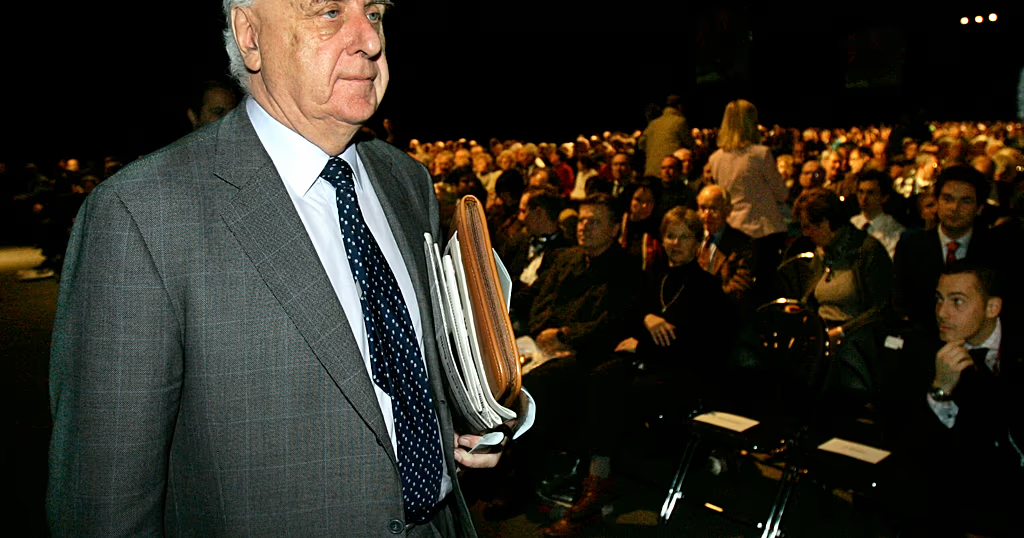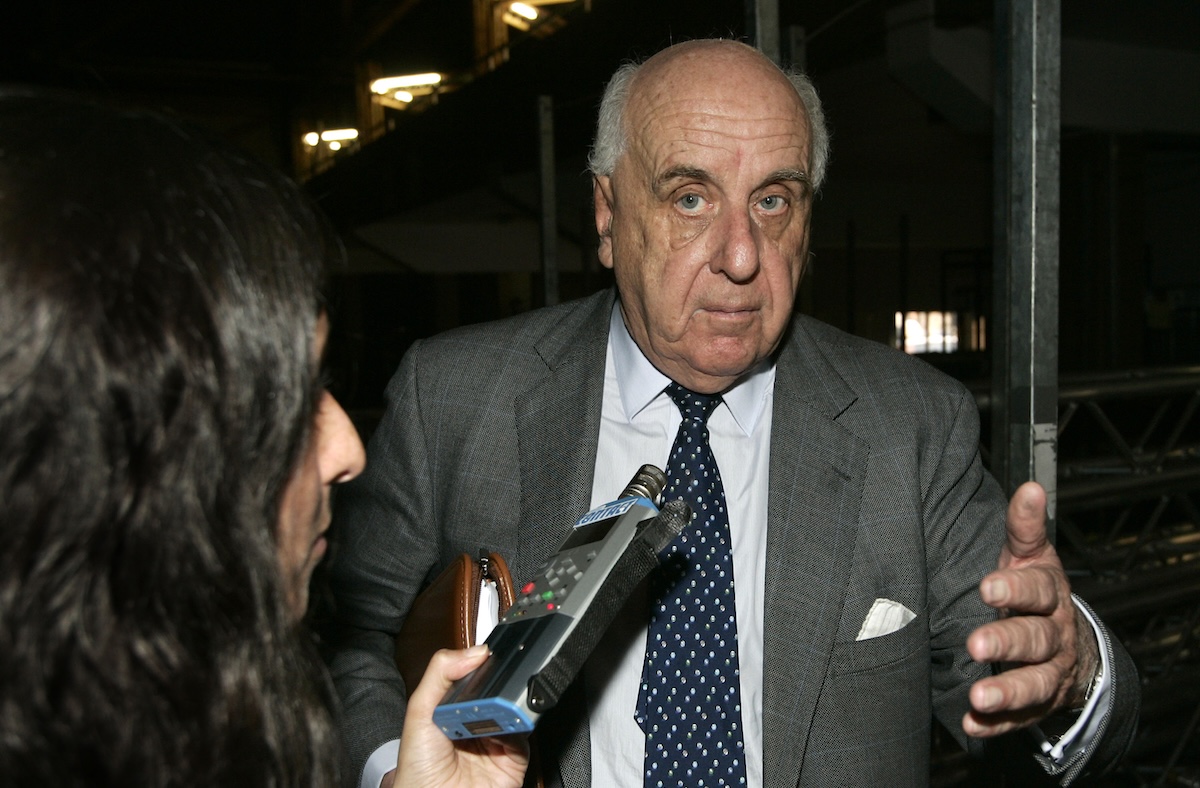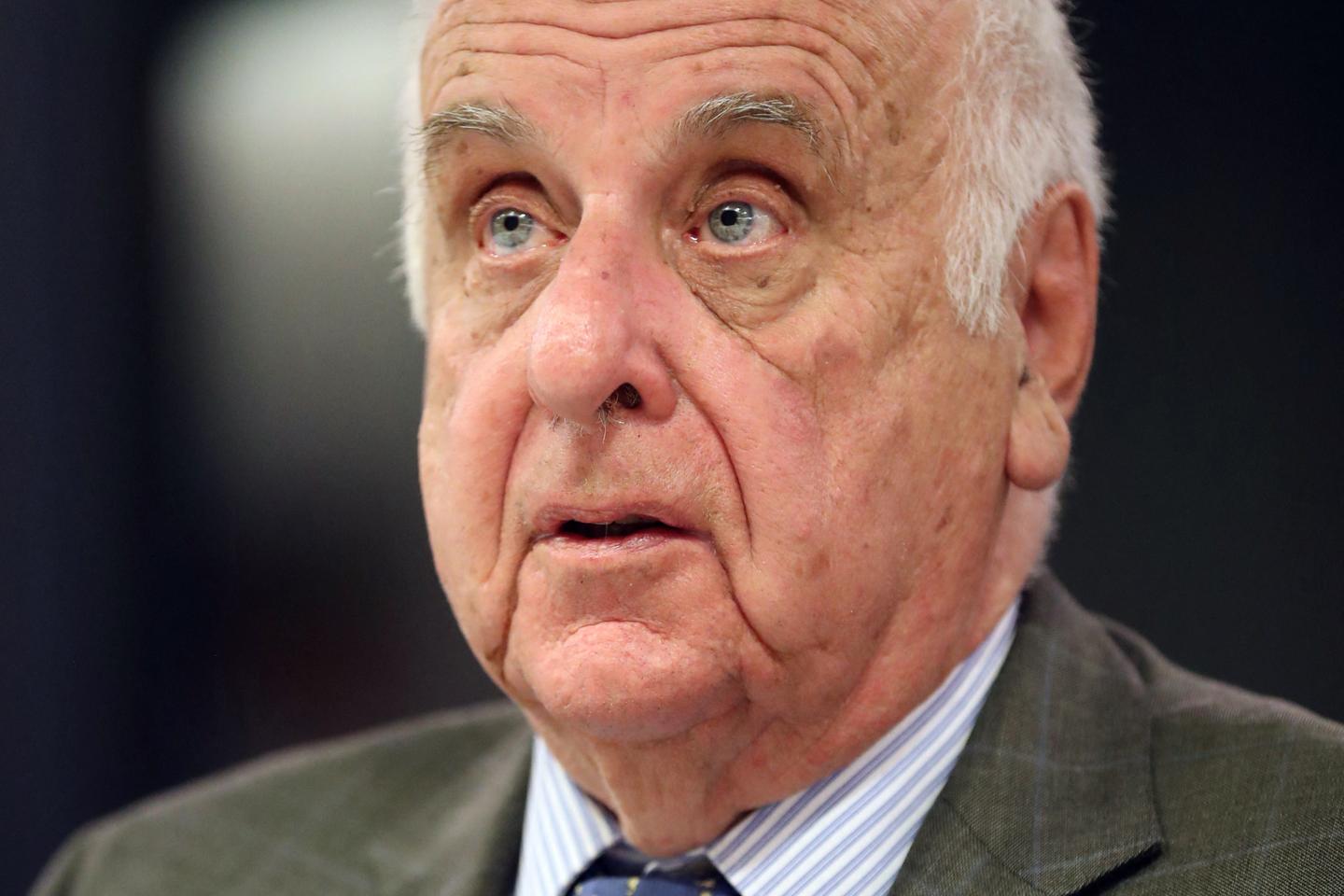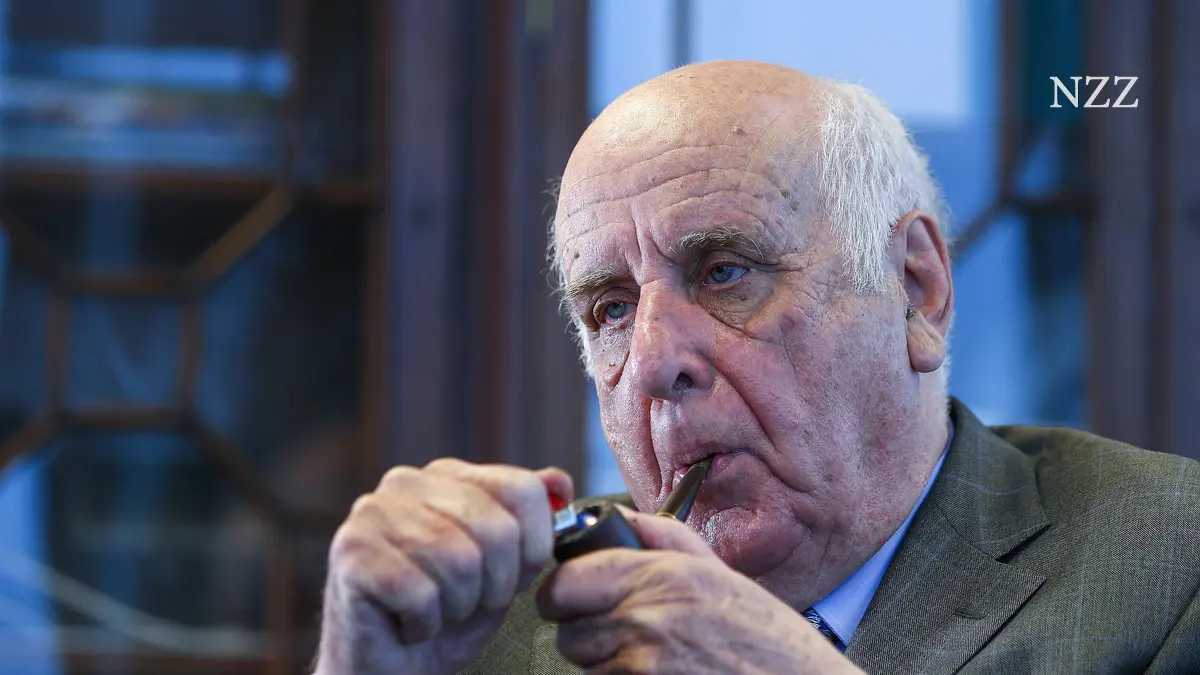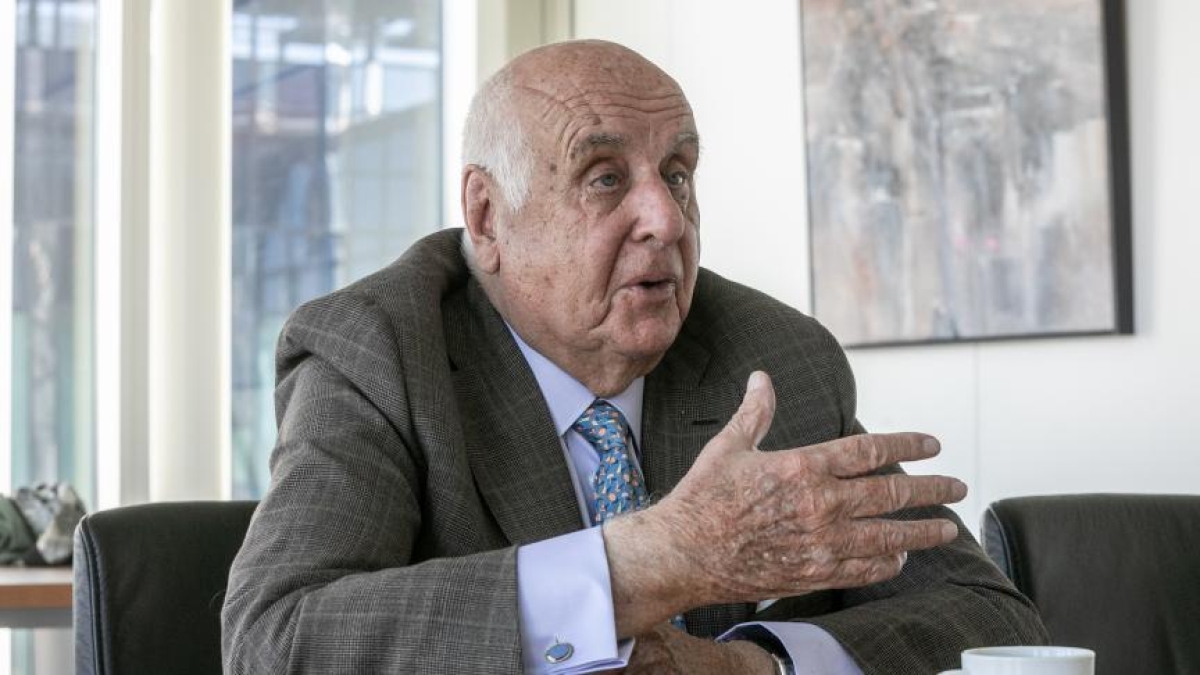
The death of Étienne Davignon, which was reported on Monday (18 May) is likely to close a chapter of Belgium’s colonial history that the country’s elites have spent decades trying to keep out of public sight.
In Brussels and EU circles, Davignon, who was 93, is remembered as a former aide to ‘Mr Europe’ – three-time Belgian prime minister Paul Henri-Spaak – as well as for a distinguished political and business career that included a stint as a vice president of the European Commission.
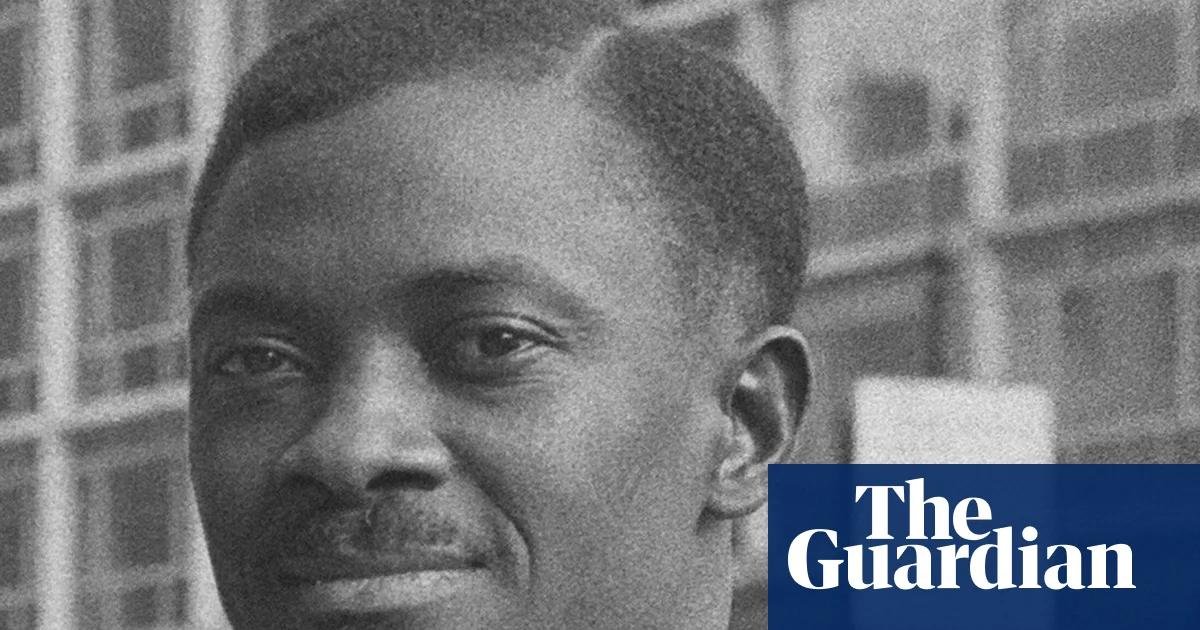
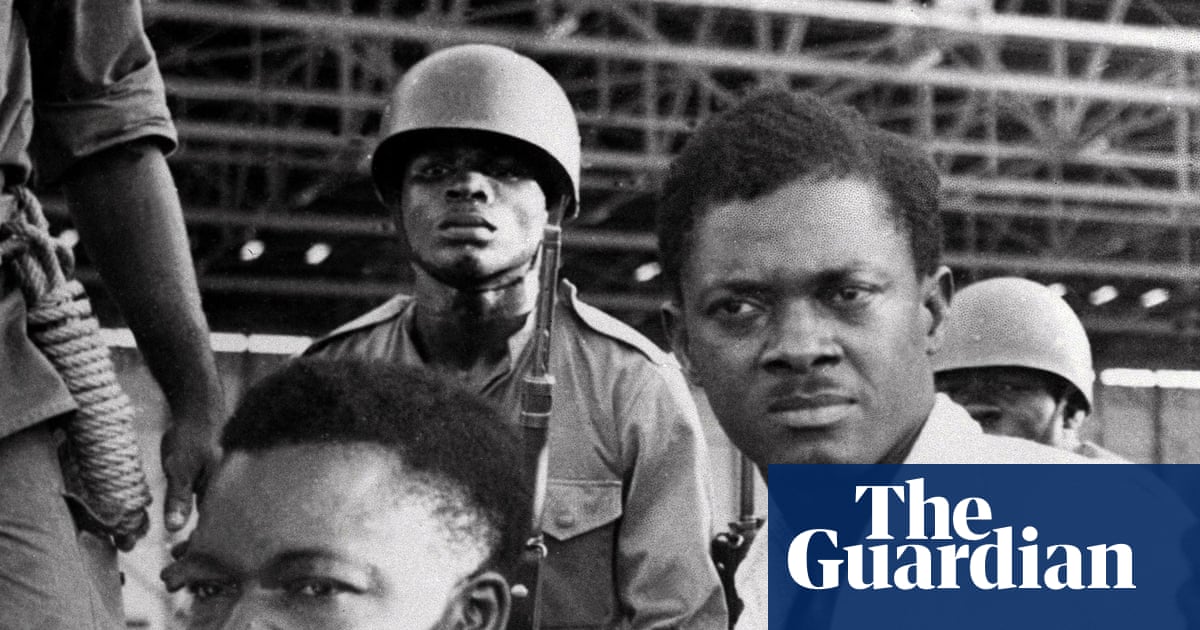
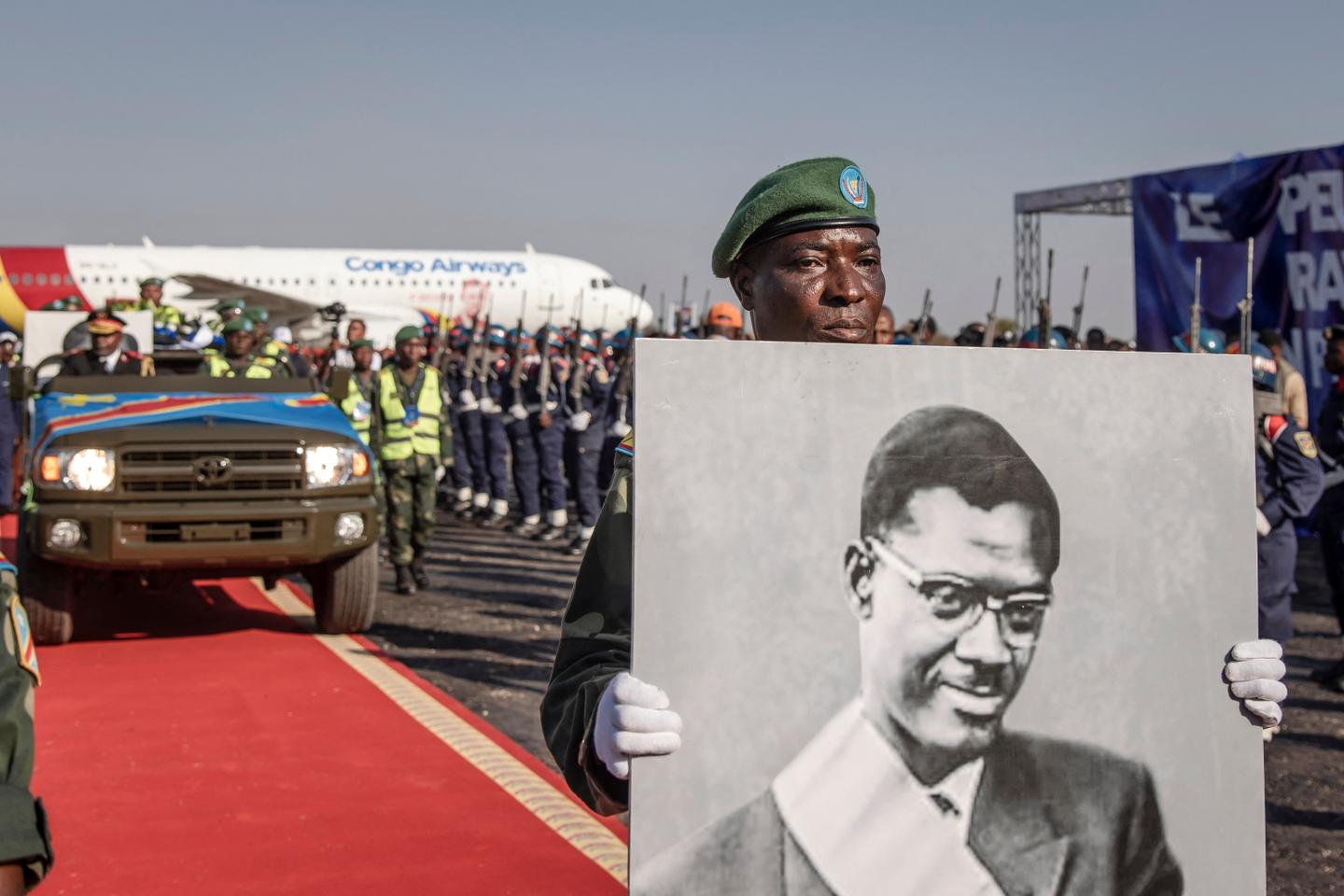
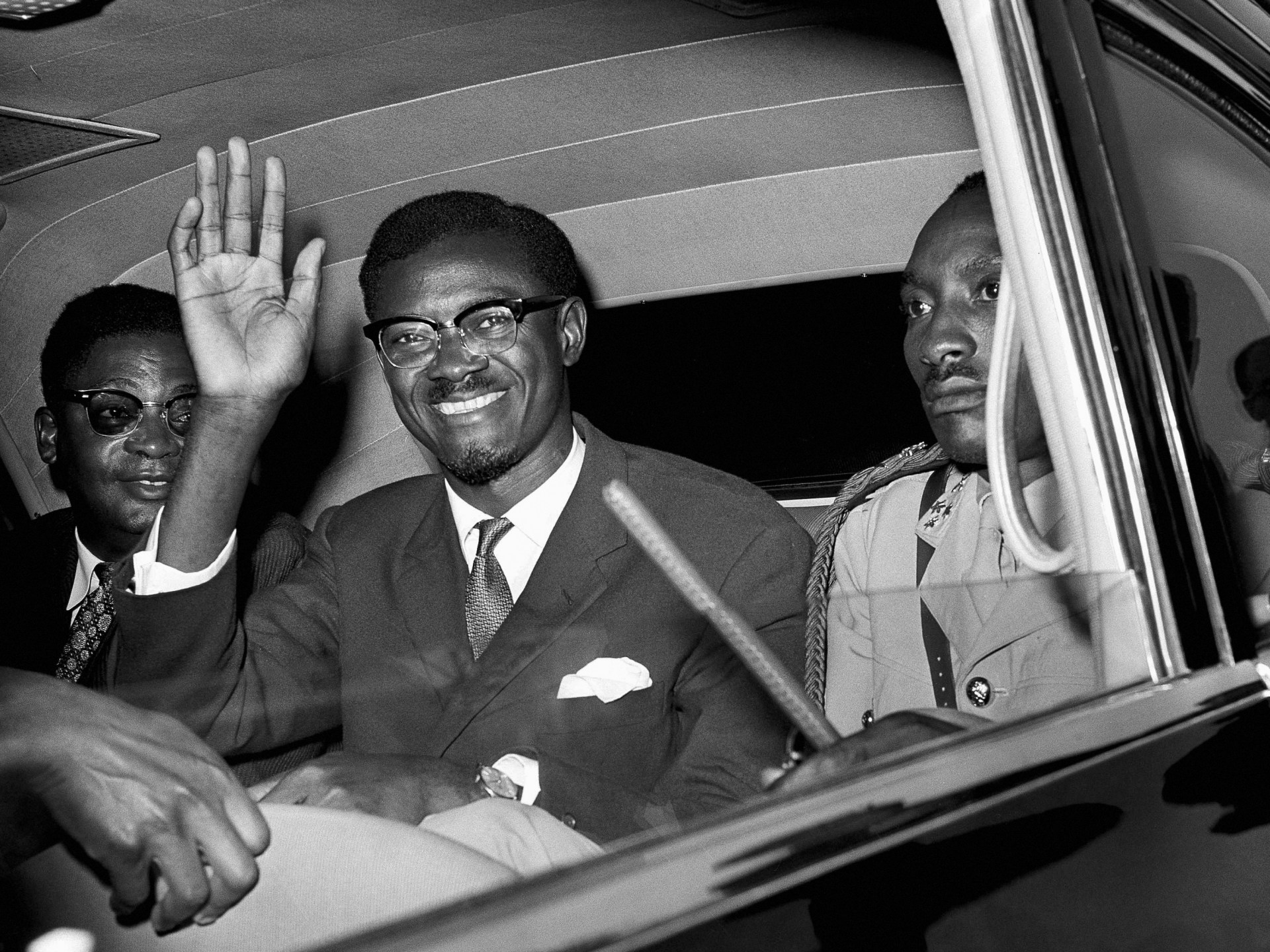
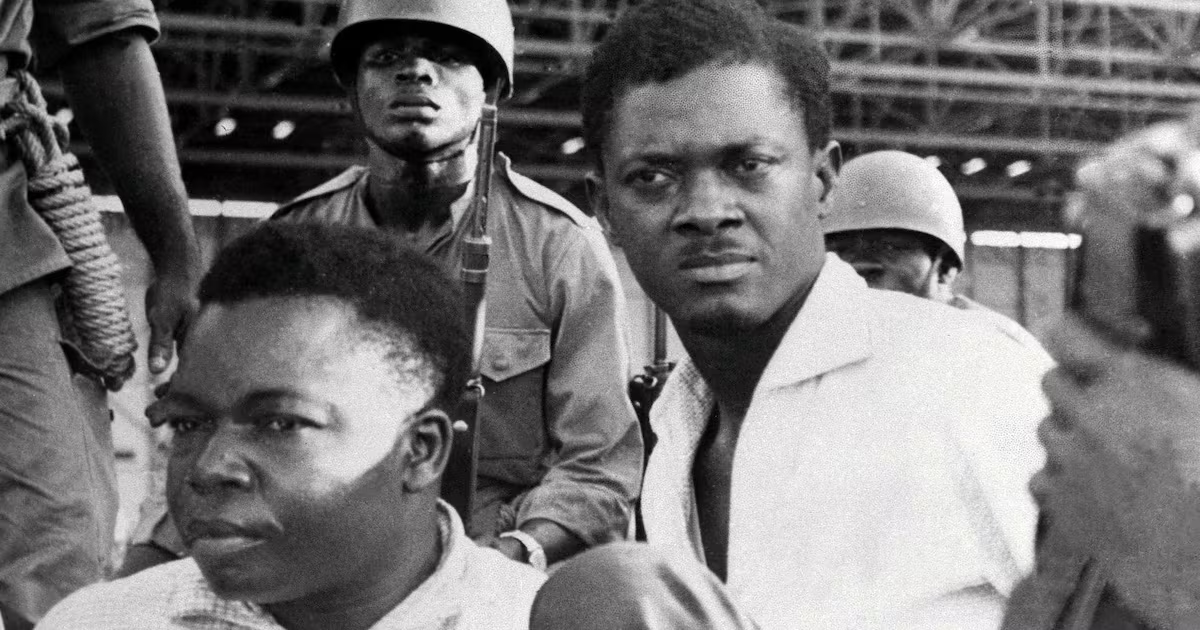
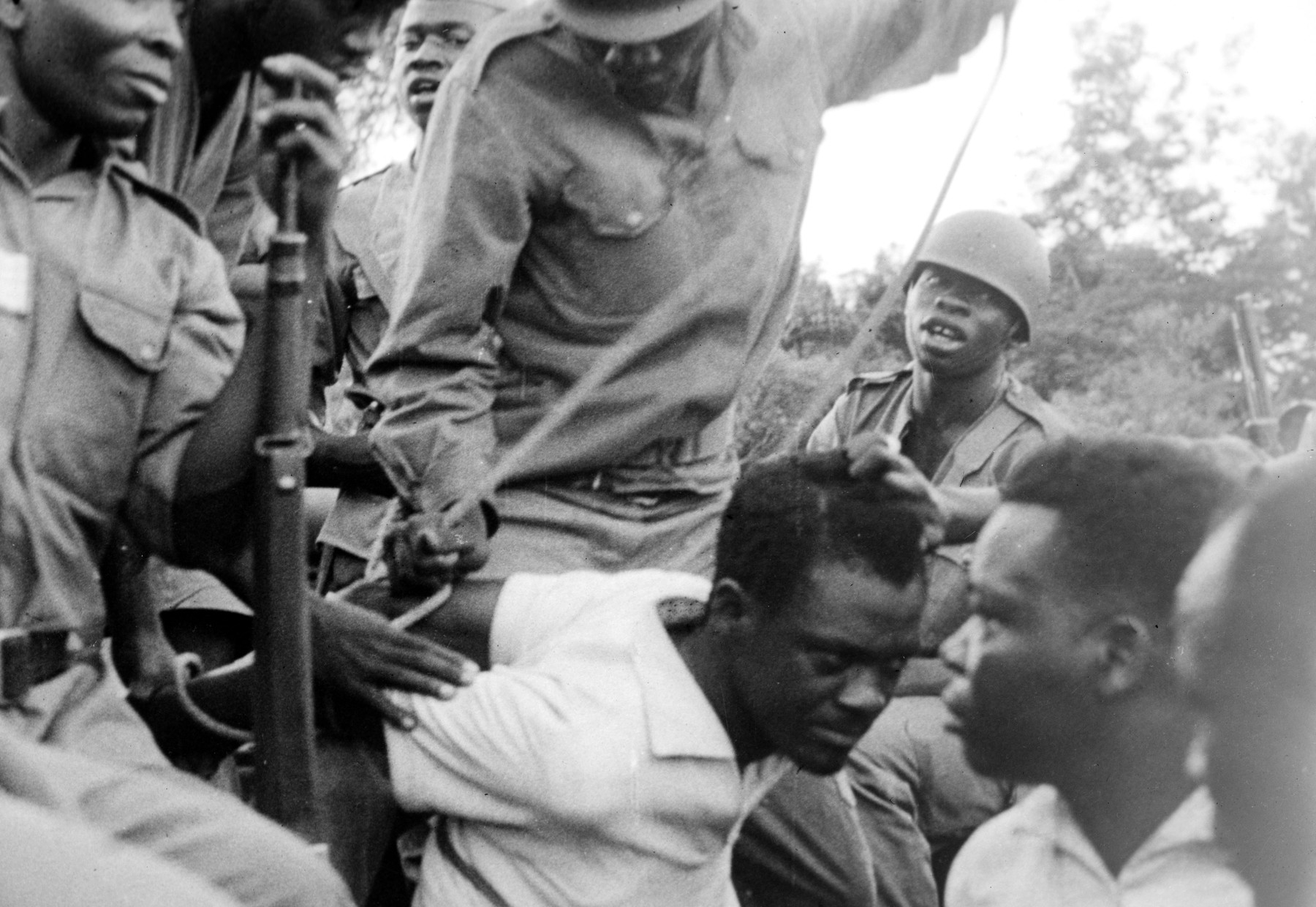
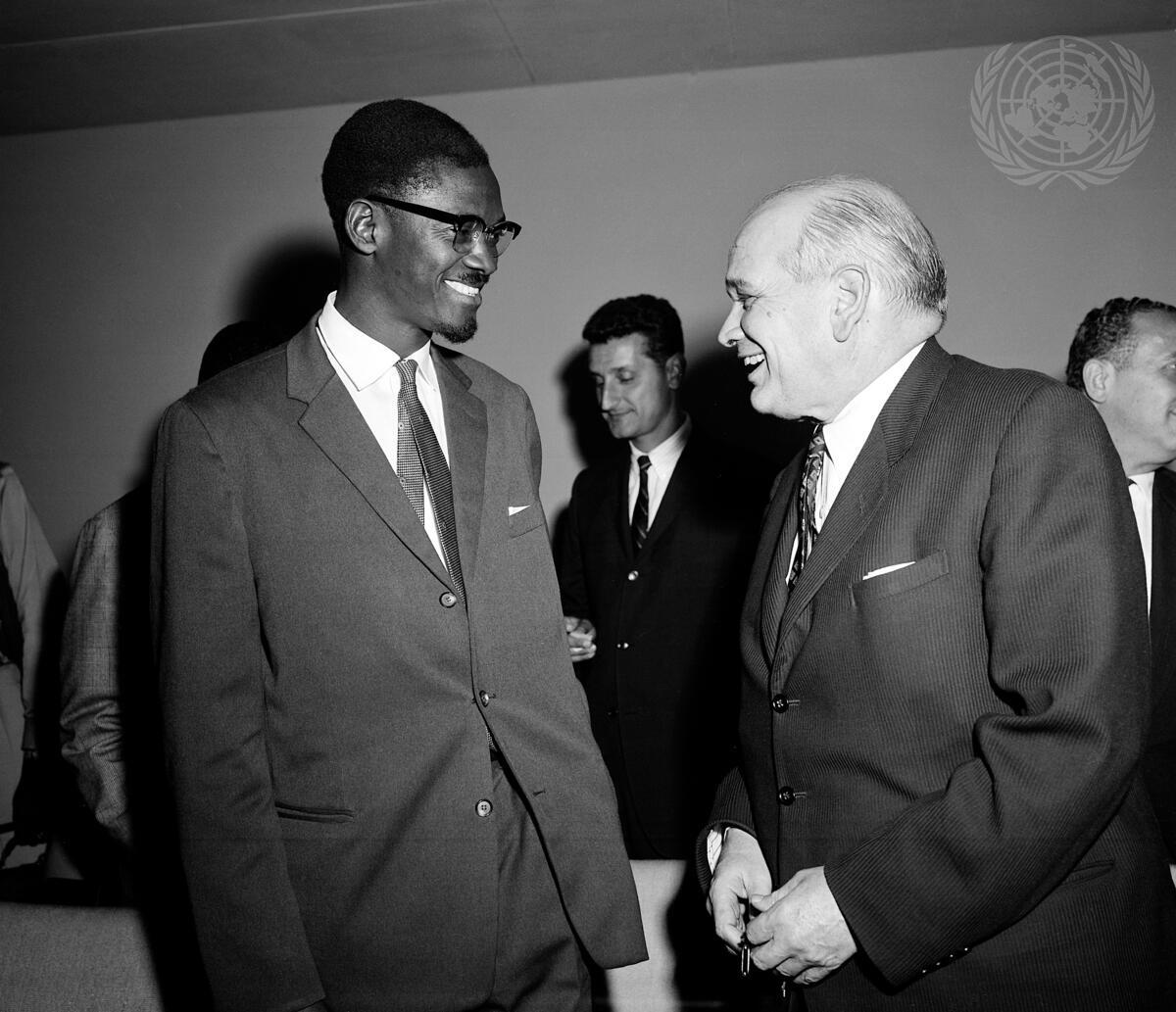
But that legacy is overshadowed by his alleged involvement in the illegal transfer and mistreatment of Patrice Lumumba, Congo’s first democratically-elected prime minister, who was executed in January 1961, at the behest of the United States and Belgium.
Davignon was a diplomat in his late twenties in Kinshasa in 1960 and 1961 during the political crisis that saw Lumumba removed from office in September 1960 and executed months later.
A telex from Kinshasa to Brussels, co-authored by Davignon, referred to ‘the overthrow of the government according to our wishes’