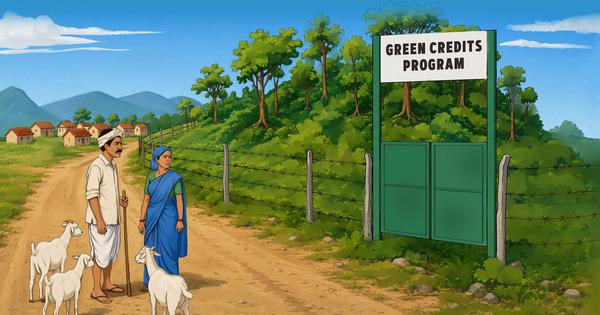
Smallholders are often treated as risks in deforestation-free supply chains, writes Aida Greenbury, yet many are also among the people with the strongest reason to keep forests standing.Greenbury argues that standards, traceability rules and buyer requirements can push costs onto farmers who lack the maps, documents, legal recognition and market access needed to comply.She says forest protection will work only if companies, donors, governments and NGOs make long-term commitments to smallholders, including support for land rights, incentives, better yields and trusted local institutions.This article is a commentary. The views expressed are those of the authors, not necessarily of Mongabay.
In general, plantation companies view local communities and smallholders as obstacles to expanding operations and to securing social licenses. In deforestation-free supply chains, smallholders are also often treated as a risk. In my experience, this is one reason forest protection efforts fail: we don’t want to understand why smallholders are perceived as a risk. Yet many of the people closest to the forest are also the ones with the strongest reason to keep it standing.
That was not how I saw things at the start of my career. Years inside corporate sustainability changed my view, as did many difficult conversations with communities.