Across 50 years and multiple countries, it’s clear that Mennonite colonies are systematic agents of deforestation in Latin America, yet they are seldom engaged by policymakers or NGOs seeking to reduce forest loss.In part this is due to the colonies’ closed nature but also because their habit of buying in frontier regions is effectively banned by law in Brazil — a nation which dominates the Amazon policy sphere — but a new analysis posits that engagement with these groups is necessary and potentially fruitful.“Mennonite pioneers have transformed the South American forest frontier with remarkable, and unfortunate, efficiency. The question now is whether the legal, regulatory, and civil society frameworks of the countries where they now reside can engage them as partners in a different kind of transformation,” the author argues.This article is an analysis. The views expressed are those of the author, not necessarily of Mongabay.
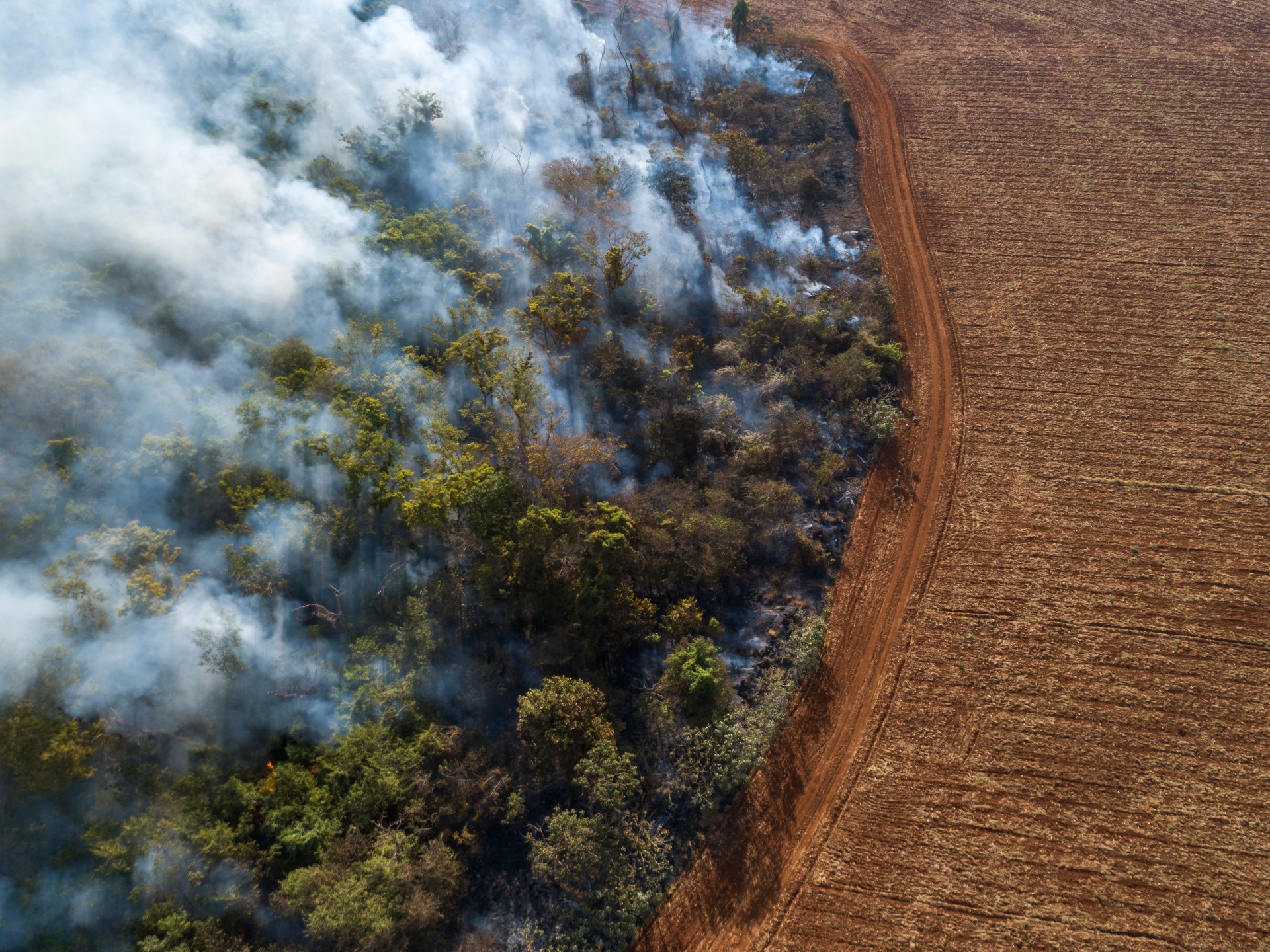
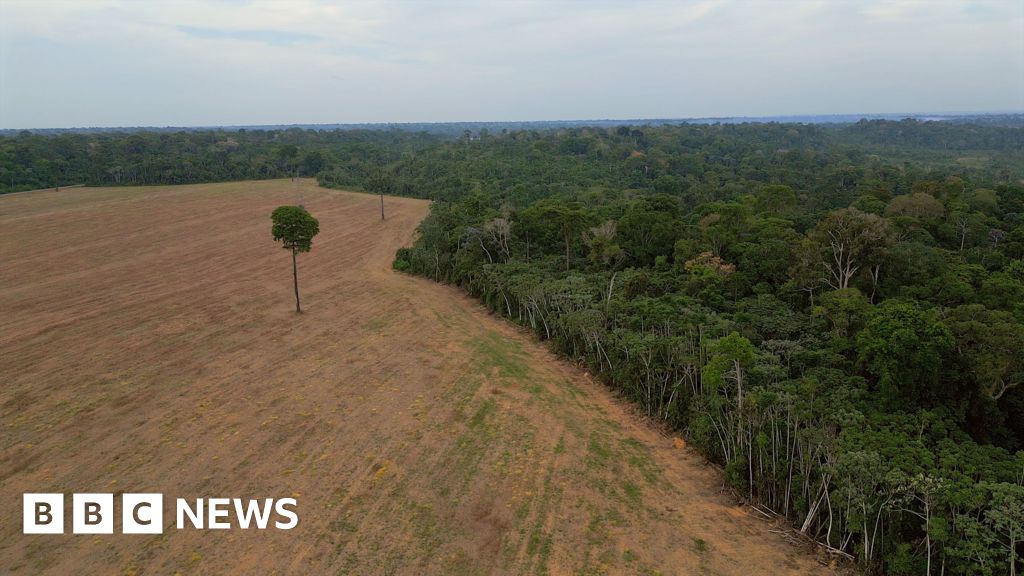
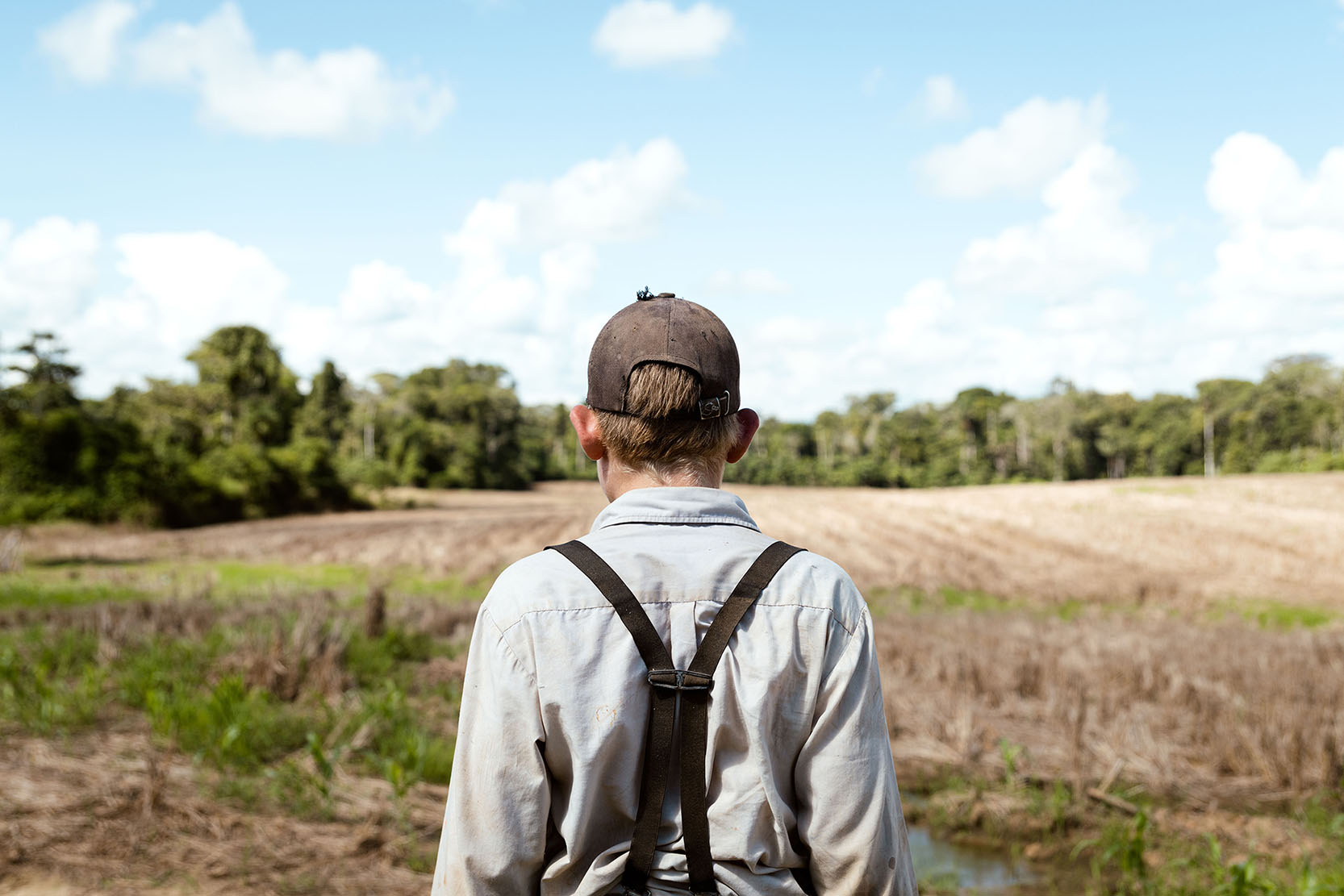
In the global debate over tropical deforestation, the usual cast of villains is well established: agribusiness, global supply chains, cattle ranchers, and governments granting land concessions for political support. One actor rarely appears in this narrative yet has played a consequential role in transforming the South American lowland frontier: The Mennonite agricultural colonist. For more than five decades, Mennonite communities have functioned as systematic agents of agricultural frontier expansion in the Gran Chaco and Andean Amazon, methodically clearing forests, draining wetlands, and catalyzing waves of deforestation that extend far beyond any individual colony.