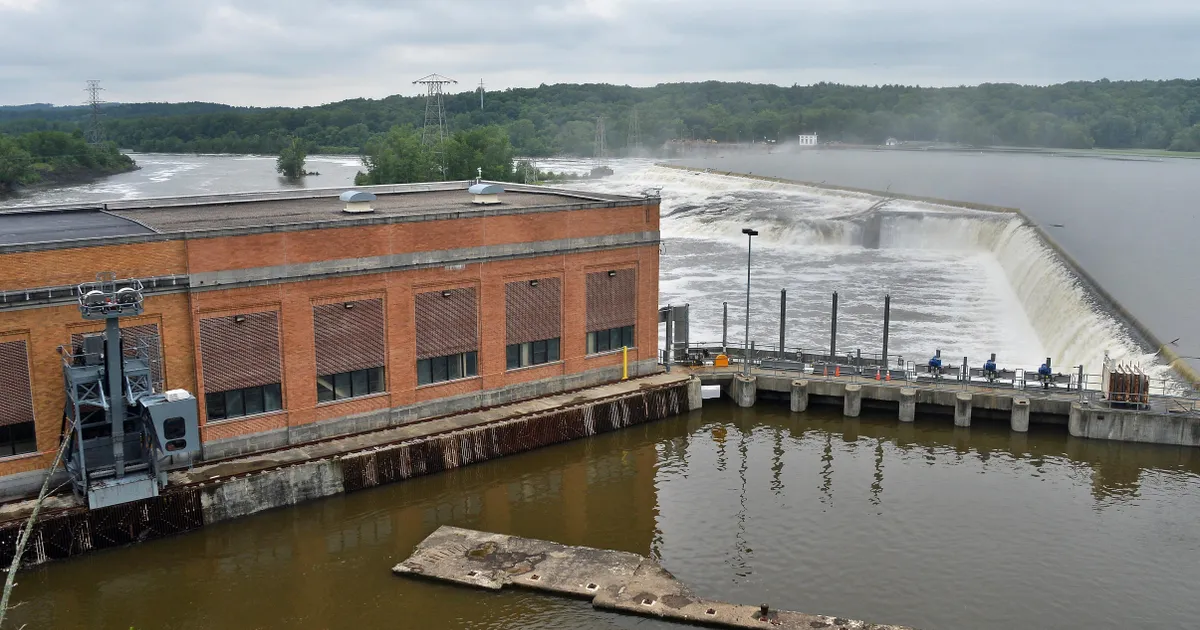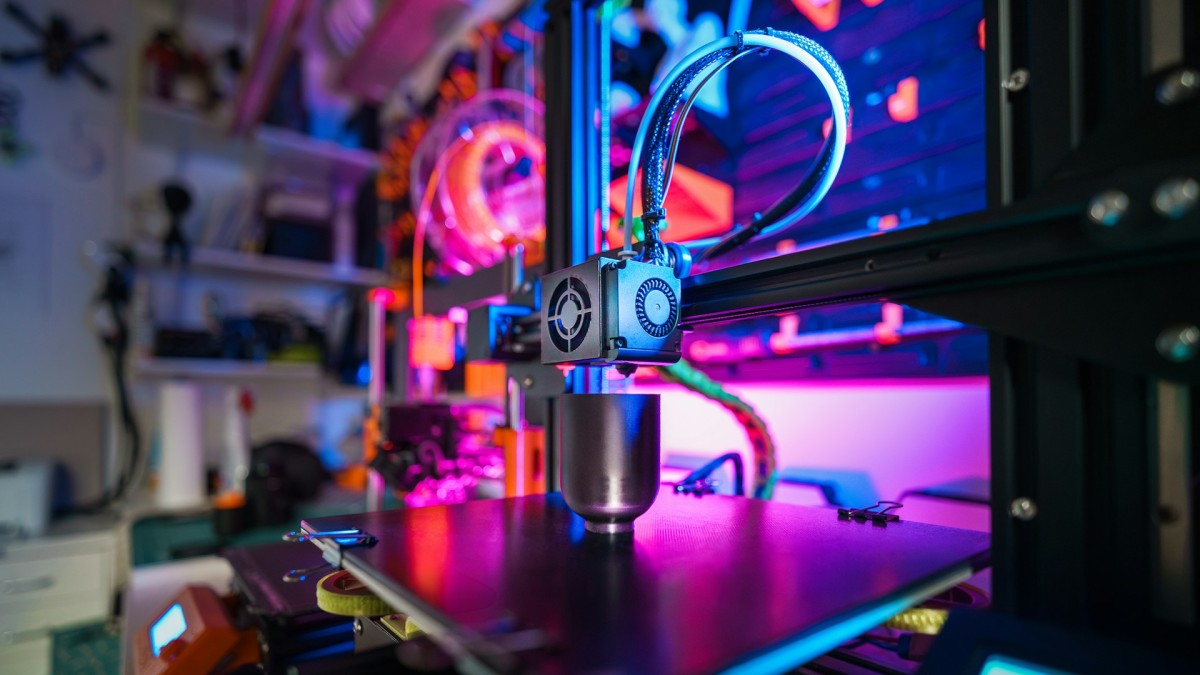
Hydropower is the quiet workhorse driving the global clean energy transition. Although it gets just a mere fraction of the media and political attention that solar and wind energy do, hydropower is by far the largest source of clean energy worldwide, and is the third-largest source of power overall, after coal and natural gas. In 2024, hydro provided nearly 15% of all the world’s electricity.However, hydropower has been declining in global energy systems. This could spell major trouble for global climate goals, not to mention energy security needs. “In the last five years the average growth rate was less than one-third of what is required, signaling a need for significantly stronger efforts, especially to streamline permitting and ensure project sustainability,” states the International Energy Agency (IEA). “Hydropower plants should be recognised as a reliable backbone of the clean power systems of the future and supported accordingly.”But a new breakthrough from researchers in the United States might revive the sector, just in time. Researchers at the Oak Ridge National Laboratory (ORNL) in Tennessee have partnered with Cadens, a Wisconsin-based startup focusing on next-gen turbines, to create an innovative turbine design and manufacturing system that will make new hydropower installations faster and cheaper than traditional turbines. As an added bonus, they can also easily be installed to fit existing dams.Set OilPrice.com as a preferred source in Google here.The secret? 3D printing. This approach allows the team to adjust to on-site measurements quickly and create bespoke turbines in a fraction of the time as compared to traditional manufacturing. Not only is this method affordable and efficient, the end result is a durable product that can hold up in harsh weather conditions for years. As a result, the team says that they can slash hydropower costs by up to 40 percent per kilowatt, potentially supercharging the sector.“Additive manufacturing enables rapid, customized and affordable production of components for low-head micro-hydropower systems, significantly reducing barriers to harnessing energy,” the researchers were quoted by Interesting Engineering.Moreover, the scalability of the technology means that these turbines can easily be added to existing dams across the United States. At present, there are about 90,000 dams nationwide, but not even three percent of those are being used to produce electricity. Part of the reason for this is that many of those dams are too small for a traditional hydropower plant to be worthwhile. But the 3D printing innovation changes the math on this equation, making small-scale operations cost-effective at approximately 50,000 existing dam sites.“This pioneering project revitalized small hydropower potential by demonstrating rapid, reliable, and cost-effective manufacturing methods,” states a recent Department of Energy press release.The ability to retrofit existing dams to become sources of clean power is an enormous advantage. While hydropower is critical to global decarbonization goals, it’s not always environmentally friendly. In fact, some of the biggest critics of major hydropower projects are environmentalists, as large dams are hugely disruptive to river systems and the ecologies and communities that surround them. Therefore, the ability to expand clean energy production without building new dams is a major win-win for energy and environment.Plus, this innovation could not come at a more critical juncture for global energy systems. As AI data centers put unprecedented strain on global electric grids and the war in Iran creates chaos in international energy markets, hydropower represents a stalwart, round-the-clock energy solution that the public and private sectors would be wise not to overlook. Indeed, most plausible pathways to net-zero hinge on a strong continued role for hydropower, with an ideal annual growth rate of around 4 percent. The ORNL-Cadens breakthrough could therefore be critically important not just to domestic energy security and autonomy aims, but also for global climate goals.By Haley Zaremba for Oilprice.com More Top Reads From Oilprice.comIran’s Floating Oil Stockpile Jumps 65% as U.S. Naval Blockade BitesIran Lays Out Sweeping Demands as U.S. Weighs Military Strike PausePutin Heads to China Amid Global Energy Crisis
How 3D Printing Could Unlock America’s Untapped Hydropower | OilPrice.com
Researchers at Oak Ridge National Laboratory and startup Cadens say 3D-printed turbines could slash hydropower costs by 40% and unlock 50,000 U.S. dam sites.
652 words~3 min read