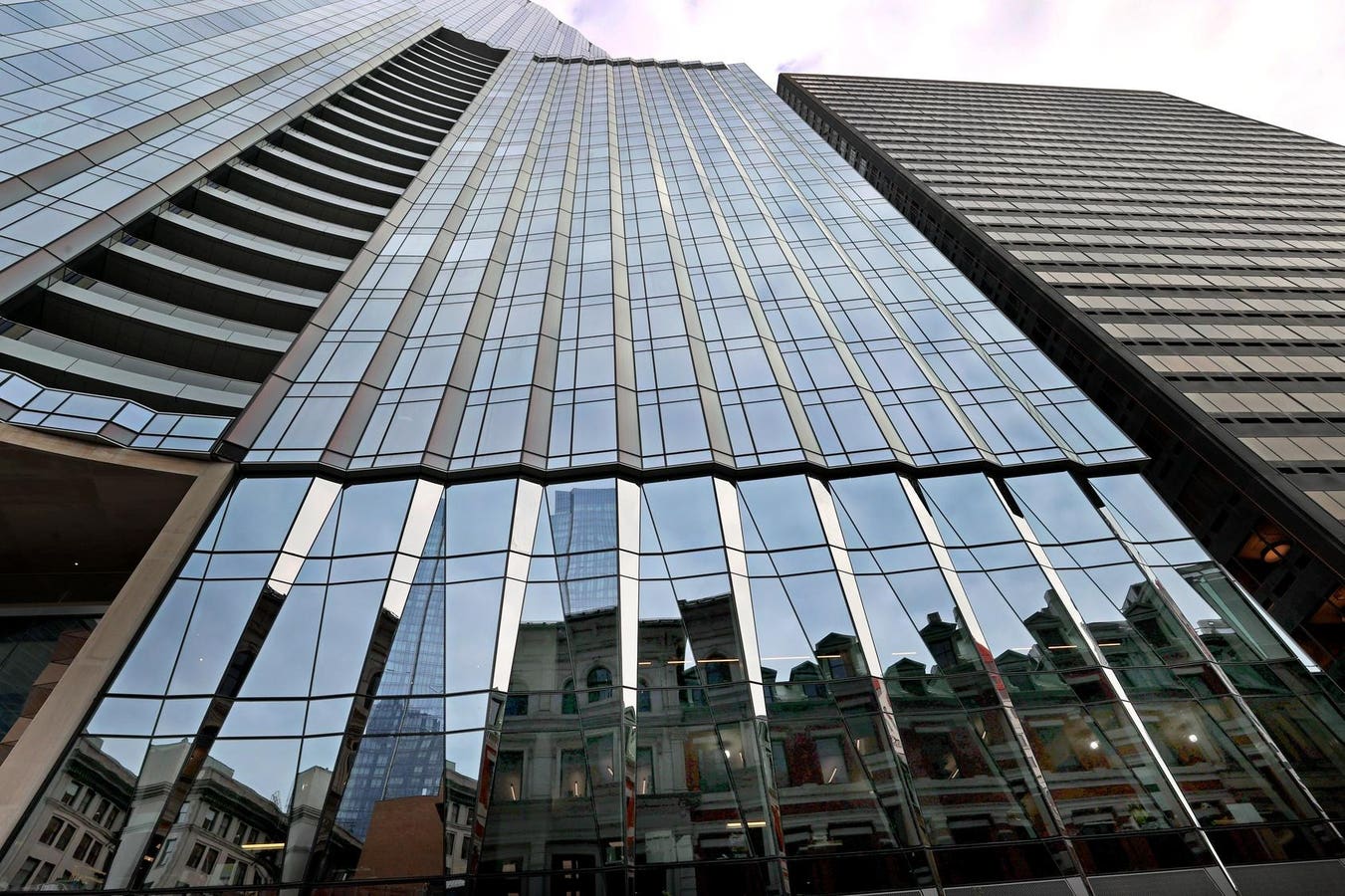
The world's largest passive home/office building, the Winthrop Center, in Boston.
On a busy weekday in downtown Boston, a glass-and-steel tower quietly does something most buildings never do: it gives energy back. Schneider Electric’s future North American headquarters at Winthrop Center uses digital controls to consume 60% less electricity than a typical Boston office building, easing strain on a grid already buckling under the weight of data centers, electric vehicles, and electrified heating.
That matters more than it sounds. That’s because buildings, long treated as secondary concerns, may offer the quickest way to provide more usable electricity without constructing expensive new infrastructure.
As electricity demand surges, the country faces a growing “time-to-power” problem. AI-driven data centers, electrified transportation, and the push to decarbonize heating are colliding with a grid that was never designed to handle this level of load growth. New generation takes years to permit and build. Transmission takes longer. But roughly 30% of U.S. electricity flows into buildings—and about 40% of that is wasted.
The result is a massive pool of stranded capacity, already paid for and generated, quietly lost every day.