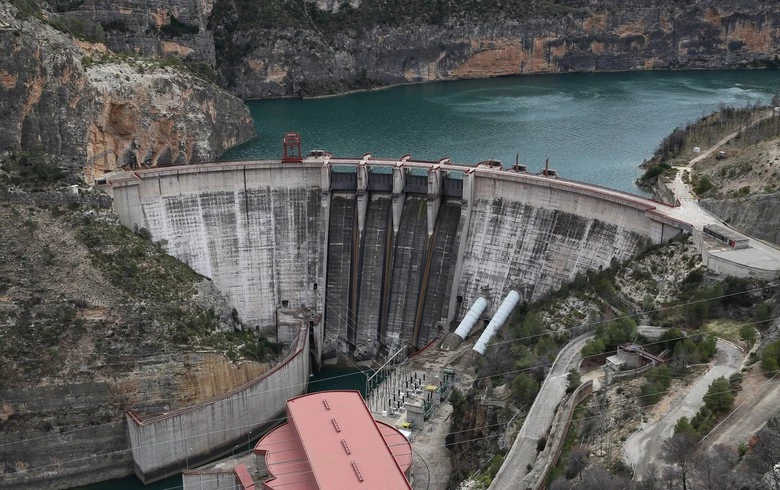
Hydropower plays an important role in the energy transition. It is a renewable energy source and contributes to reducing global emissions. In Switzerland, hydro provides nearly 60% of domestic electricity generation. According to Swiss government statistics, Switzerland is the fourth largest hydropower producer in Europe, behind Norway, Austria and Iceland.
Hydropower also plays a huge role in helping to balance the grid, by compensating for fluctuations in solar photovoltaic (PV) and wind energy generation, through pumped storage. Electricity is used to pump water into reservoirs at a higher altitude during periods of low energy demand. When demand is at its strongest, the water is piped through turbines situated at lower altitudes to produce electricity.
Environmental cost of large hydro plants
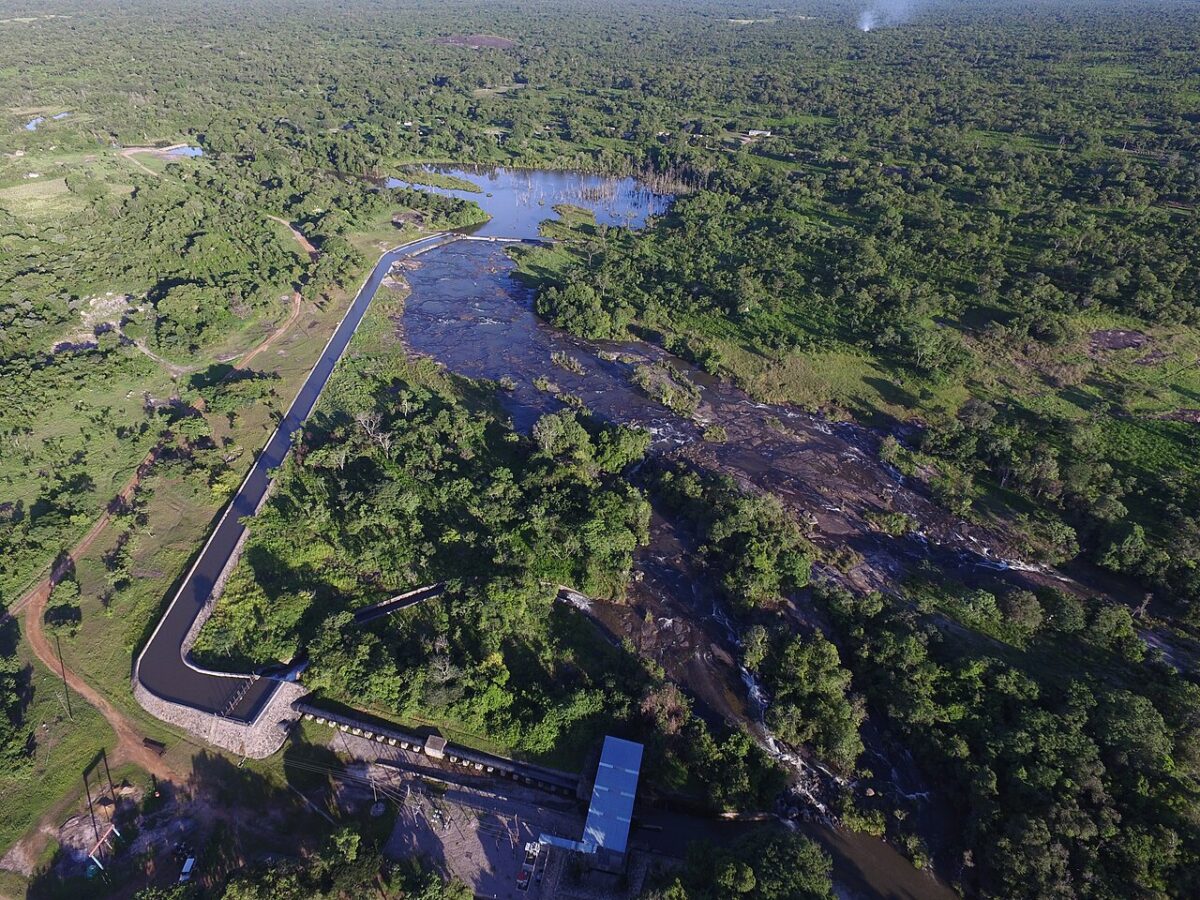
Some significant disadvantages are part and parcel of dealing with this age-old renewable energy. Large hydro projects are expensive to build with prohibitive capital costs. Another crucial drawback is the environmental cost of these large installations. According to Scienceinsights.org, most hydroelectric reservoirs require vastly more land per unit of energy produced than any other major electricity source. We all have seen TV reports of flooded land and villages when big dams were built. Most of the world’s hydroelectric capacity comes from these reservoir-based dams. Flooding an area of land can destroy both communities and terrestrial ecosystems. Scienceinsights reports that Brazil’s Balbina Dam inundated over 2 300 square kilometres of Amazon rainforest to produce a relatively modest amount of electricity.