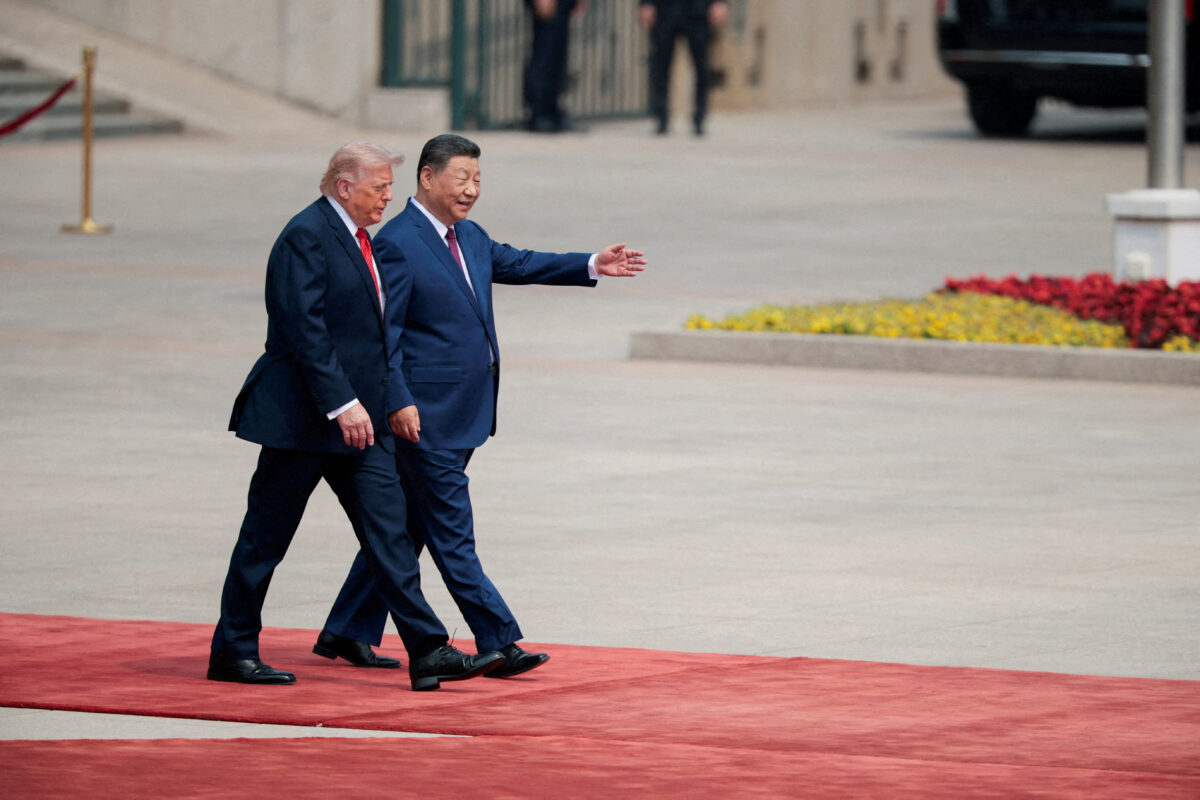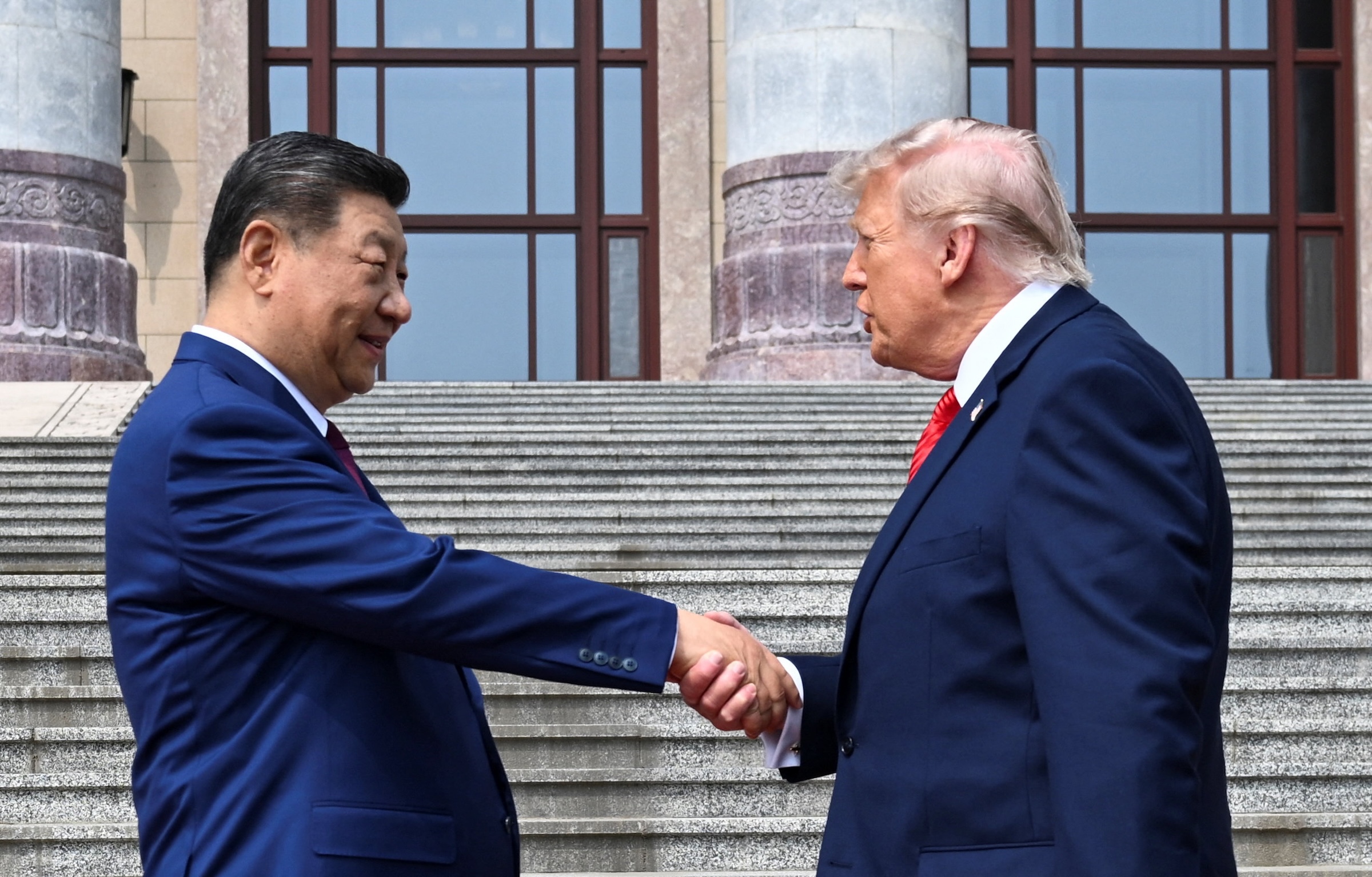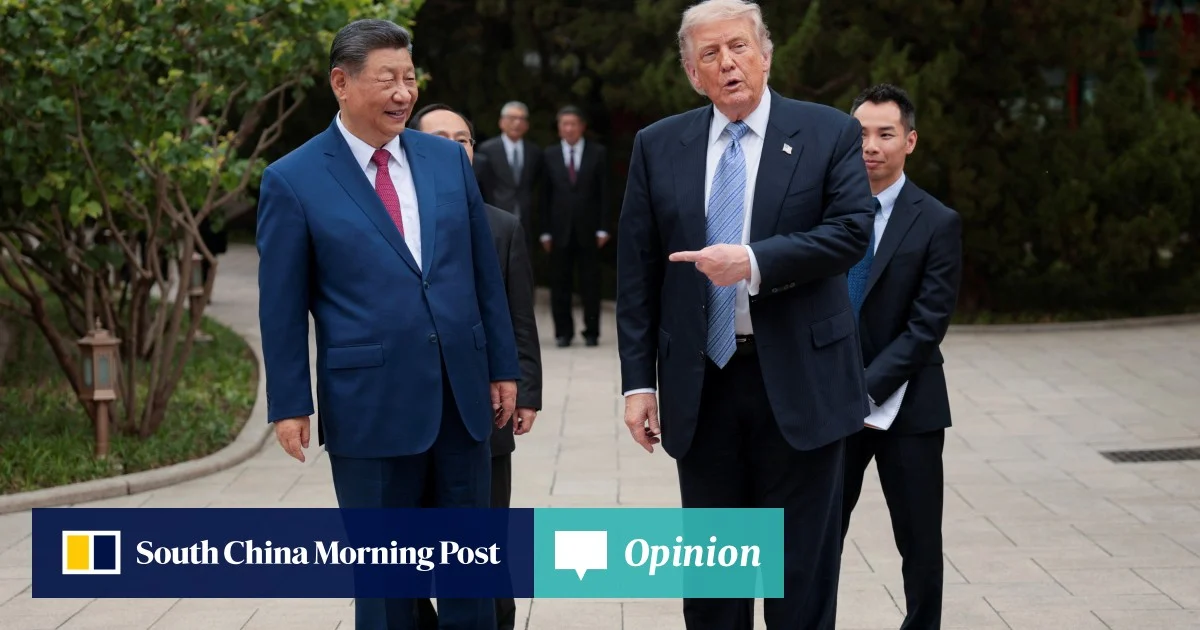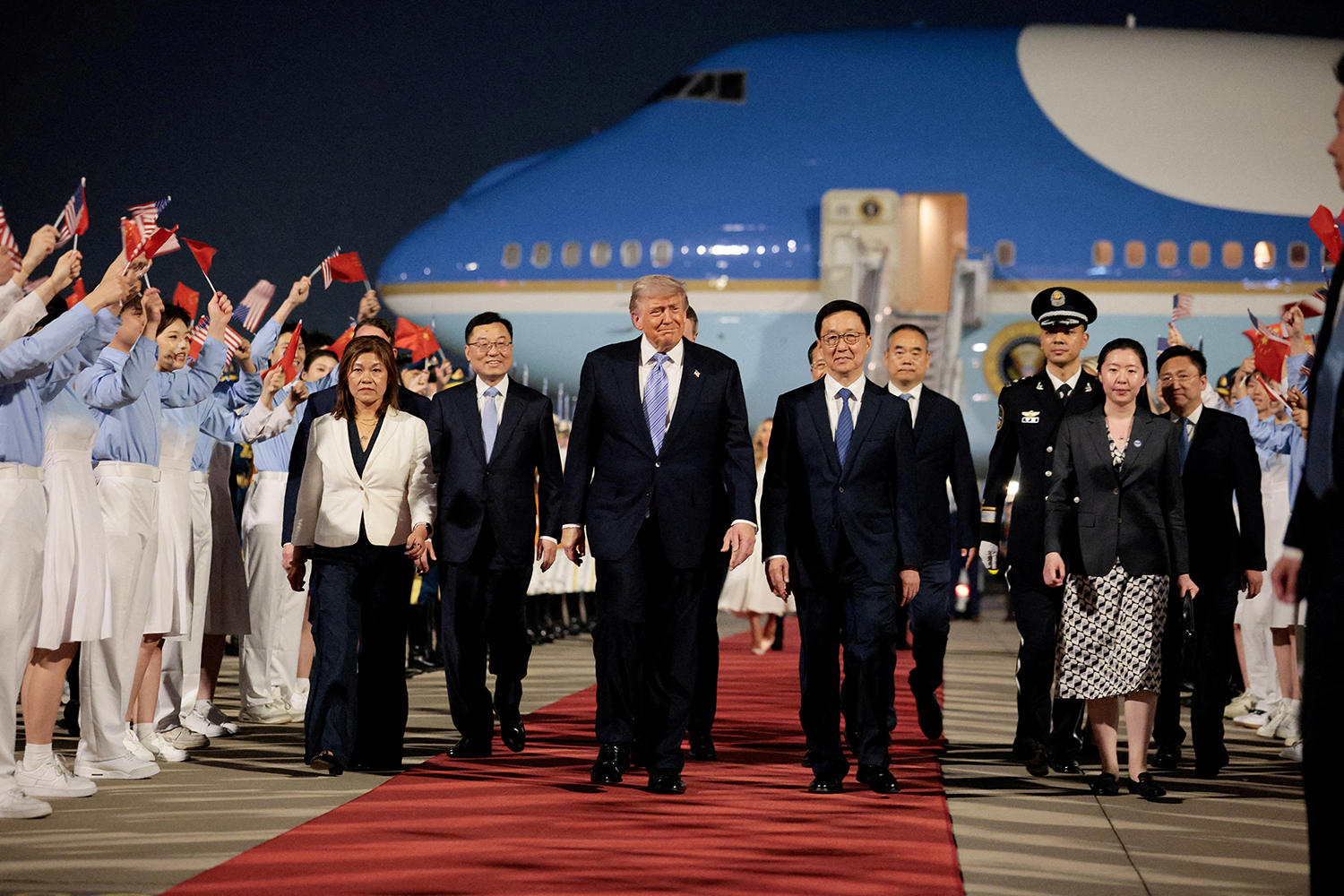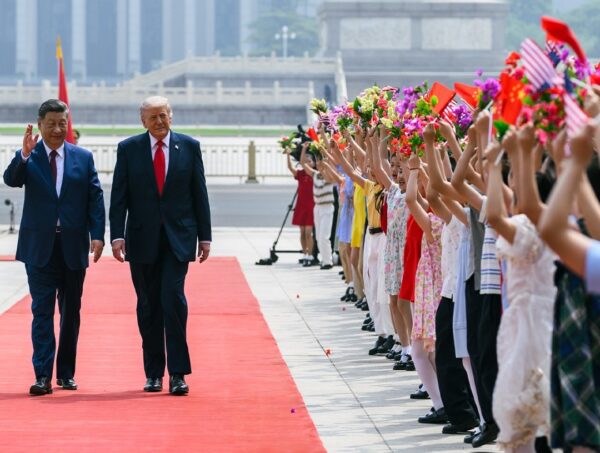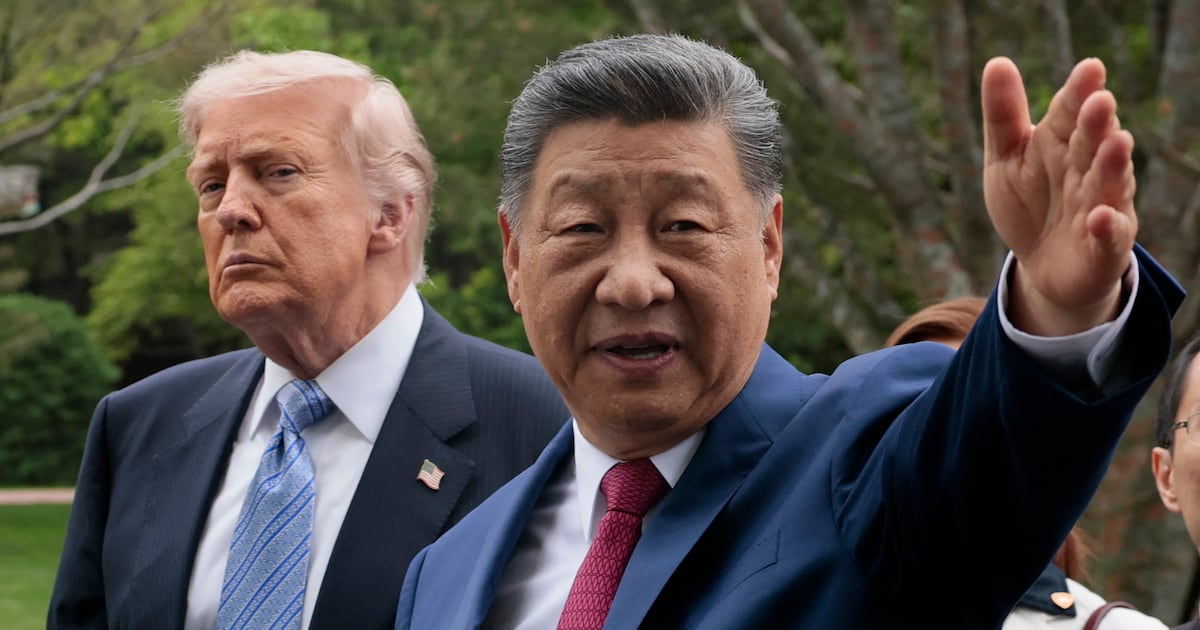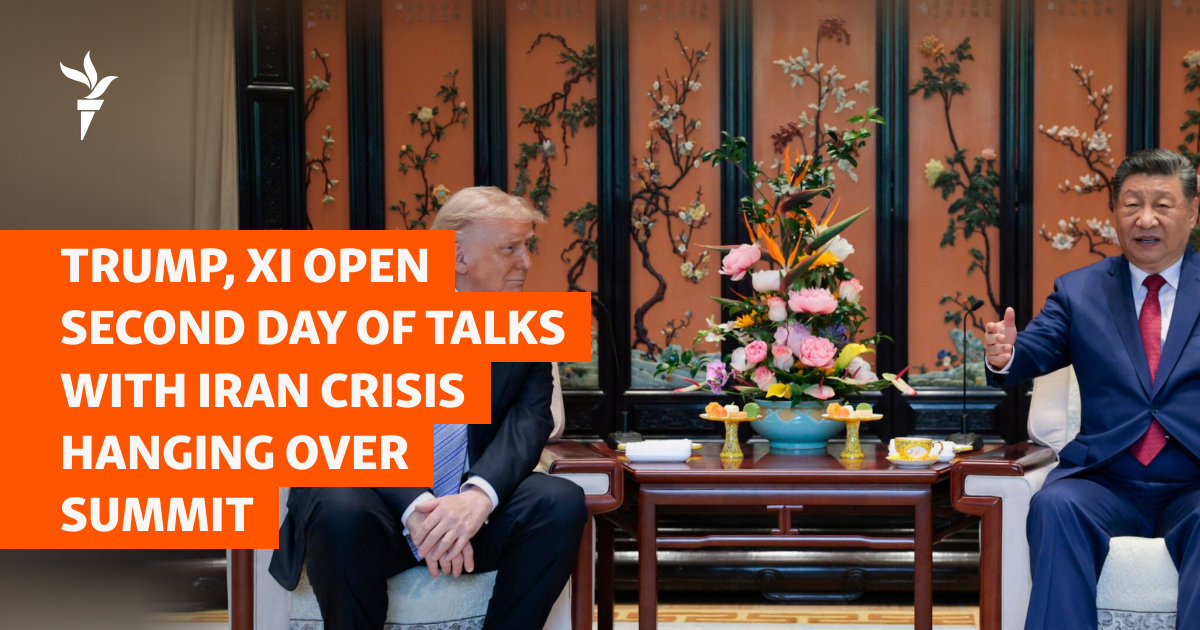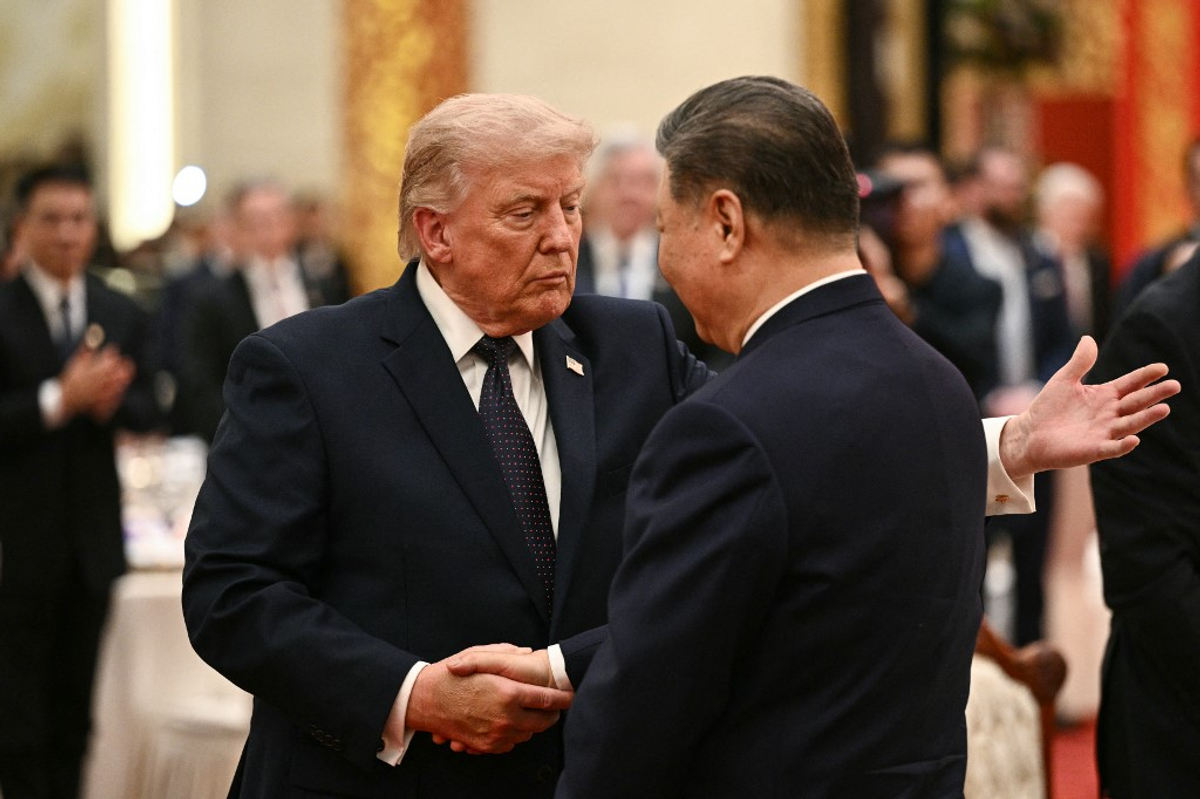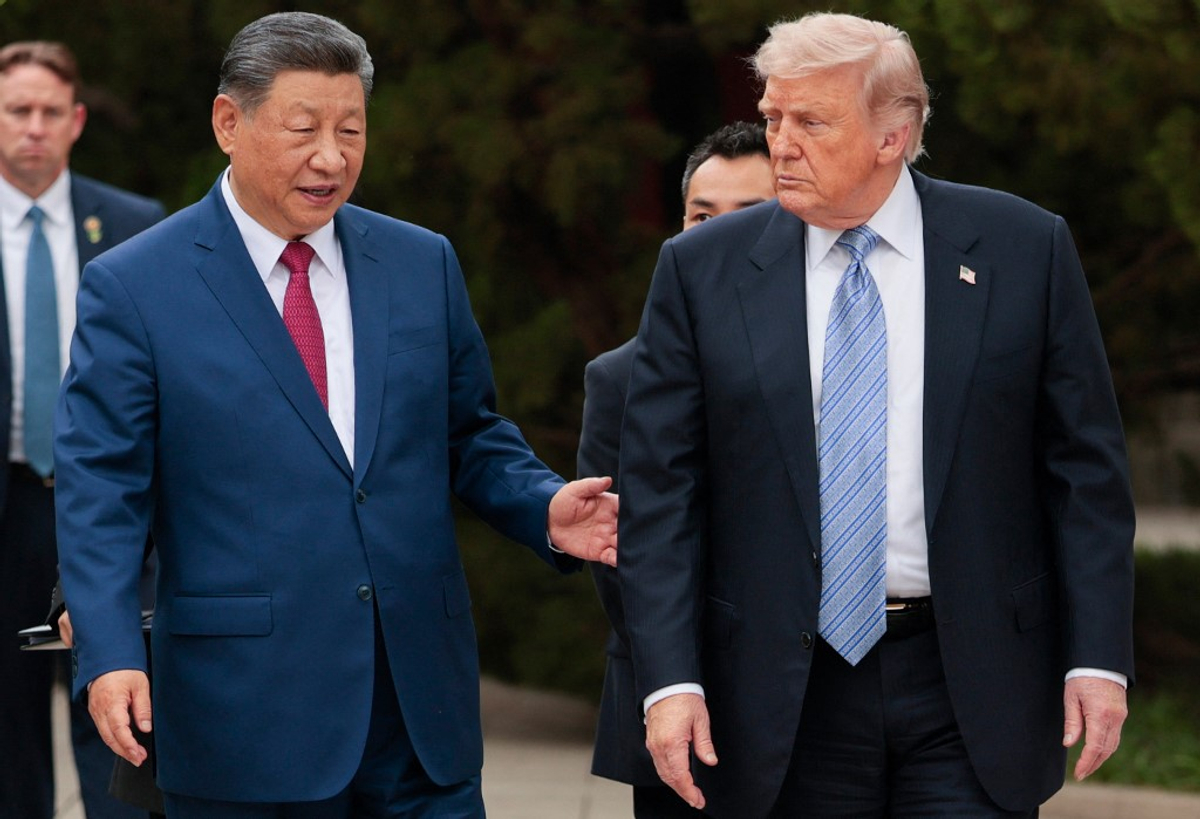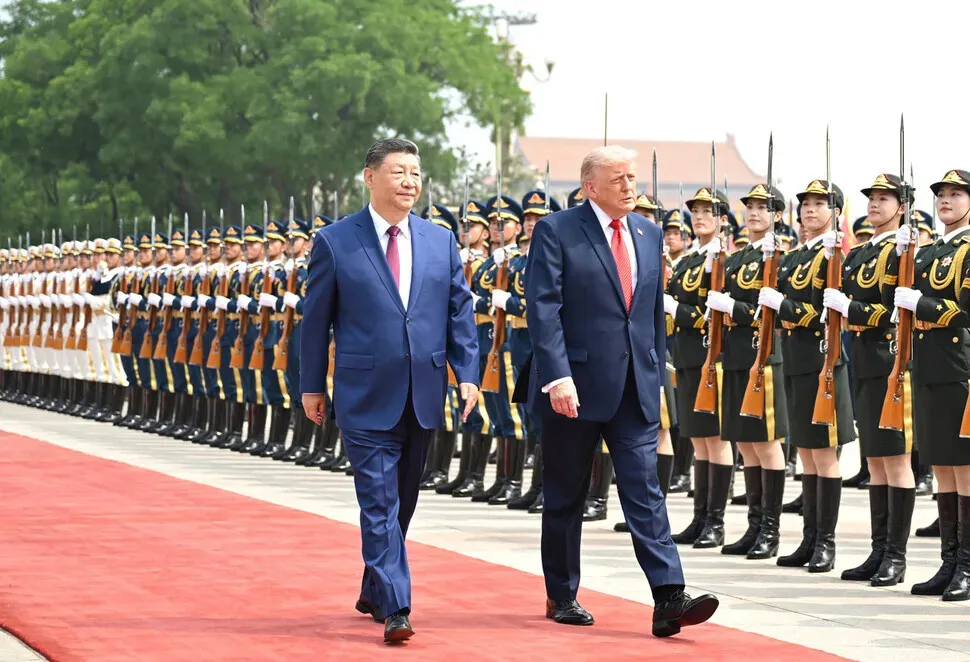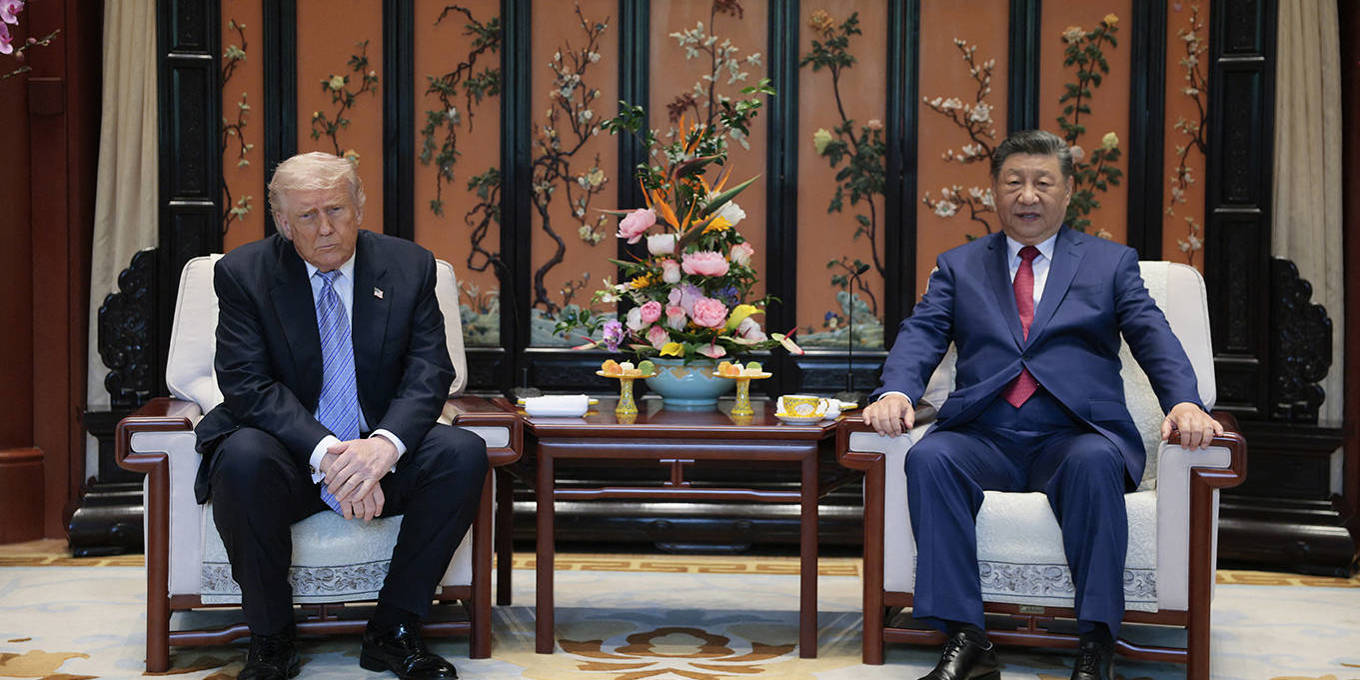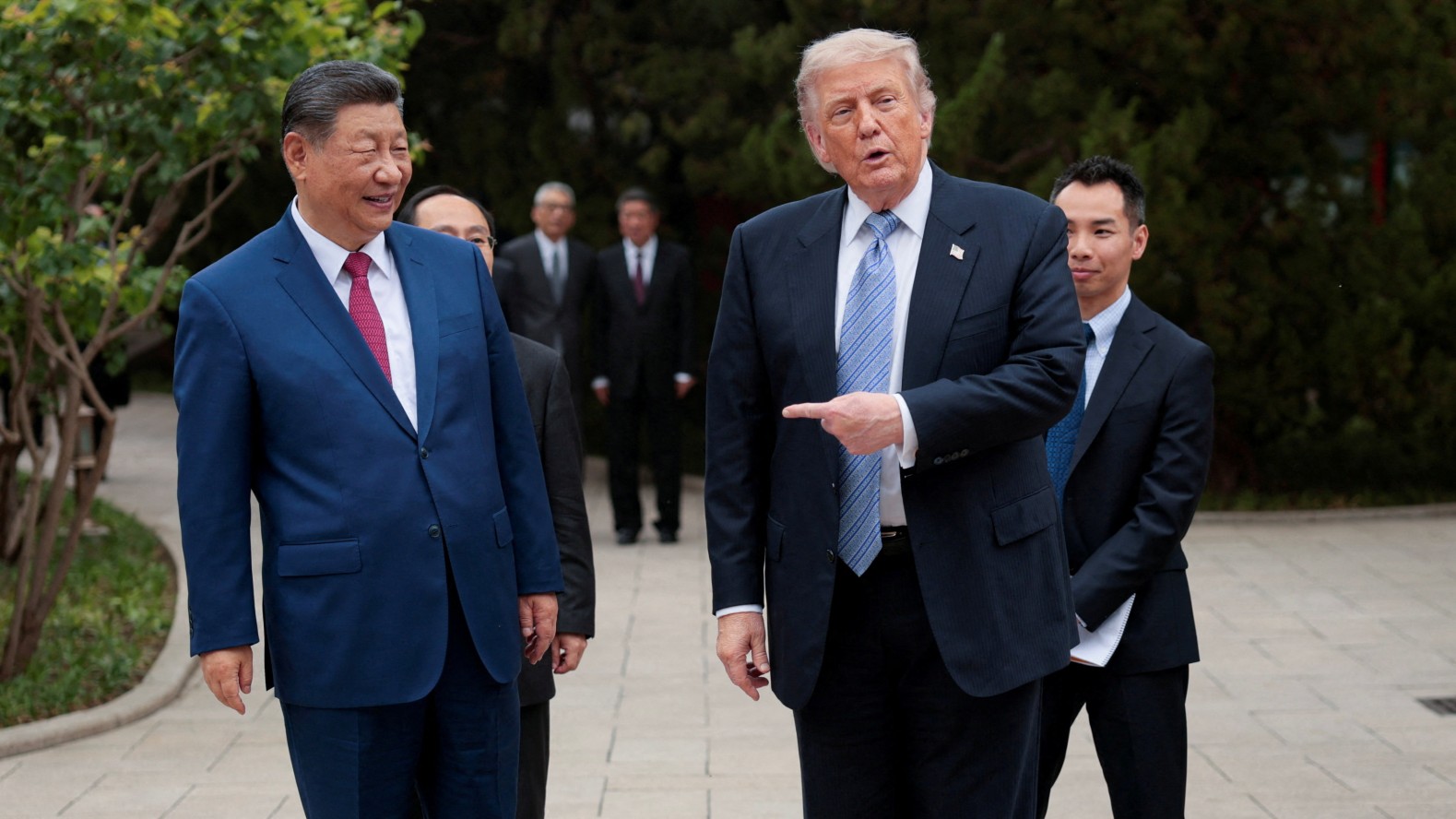
On the eve of the 14 May Beijing summit between US President Donald Trump and Chinese President Xi Jinping, there were understandably high expectations that the two great powers would find common ground on key issues.
As Shanghai-based analyst Nelson Wong recently remarked in these pages: "Beneath the polished schedule lies a striking paradox... that would have seemed unthinkable only a decade ago. Today it is China, not the United States, that appears to be carrying the torch for free trade and multilateral cooperation."
Meanwhile, "Washington - long the global champion of open markets - finds itself entangled in protectionist instincts, trade wars of its own making, and a painful geopolitical quagmire in the Middle East," he noted.
Between the two sides, it was the United States that arrived making unprecedented and embarrassing demands, pressing China on three fronts: to relax export controls on rare earths, to buy more American agricultural goods, and to help broker an end to the military conflict between Iran and the US-Israeli coalition.
Once again, China's position on the Middle East was misunderstood in Washington. Beijing is neither a disinterested, aloof observer merely hunting for energy, nor a revisionist power seeking to dismantle the US-led regional order wholesale.