Subsidising the shock and waiting for it to pass will not answer a crisis whose full impact still is not visible
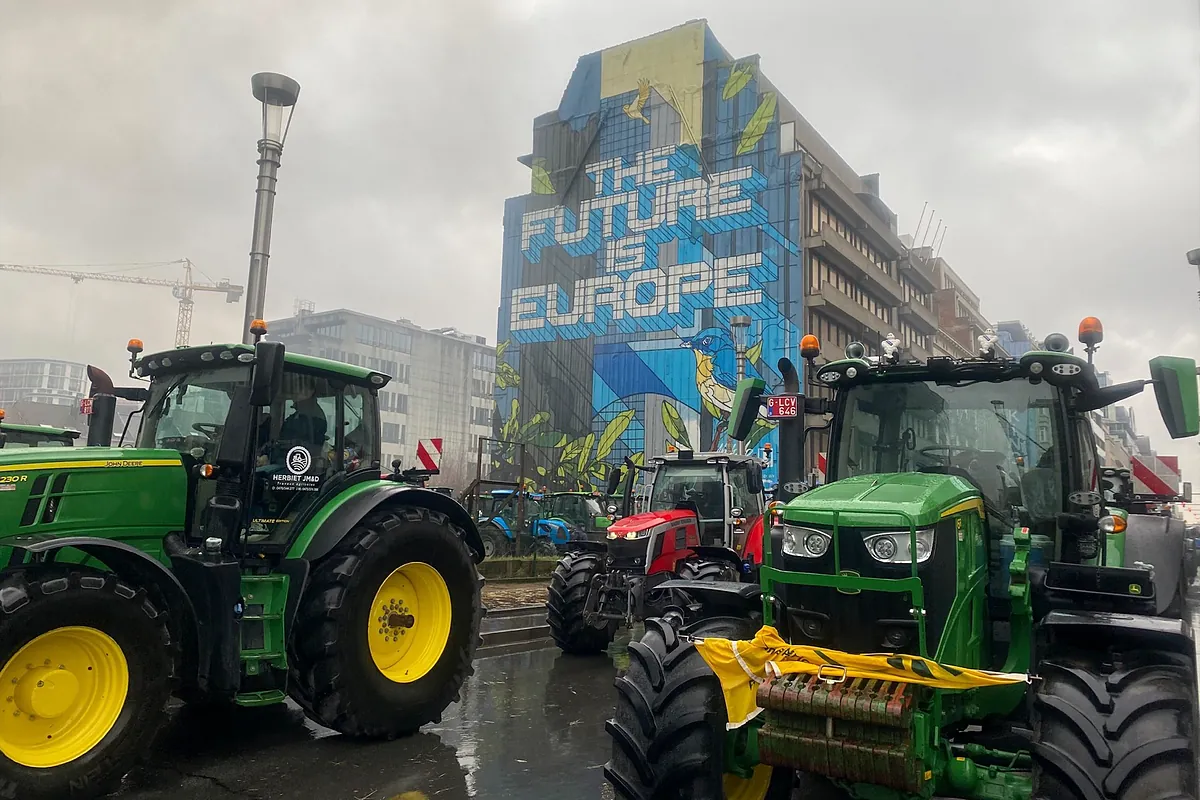
Now in its third month, the Middle East conflict shows how tightly interconnected energy, fertiliser, and food markets are. As a regional geopolitical crisis becomes a systemic shock to global agrifood systems, Europe is once again reaching for blanket subsidies, as if this were another Covid.
But this crisis is fundamentally different. Covid crushed demand as the global economy shut down; Hormuz is a supply-side shock, disrupting supplies of energy and fertilisers. Applying the same fiscal medicine risks repeating past mistakes while leaving the underlying problem untreated.
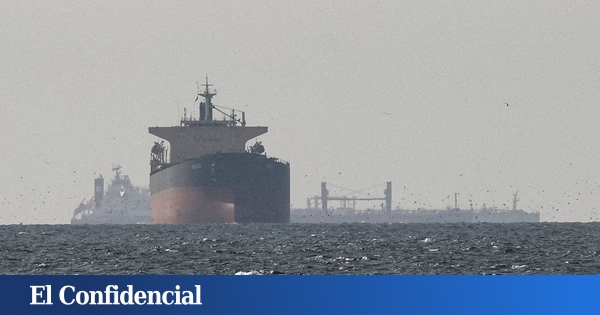
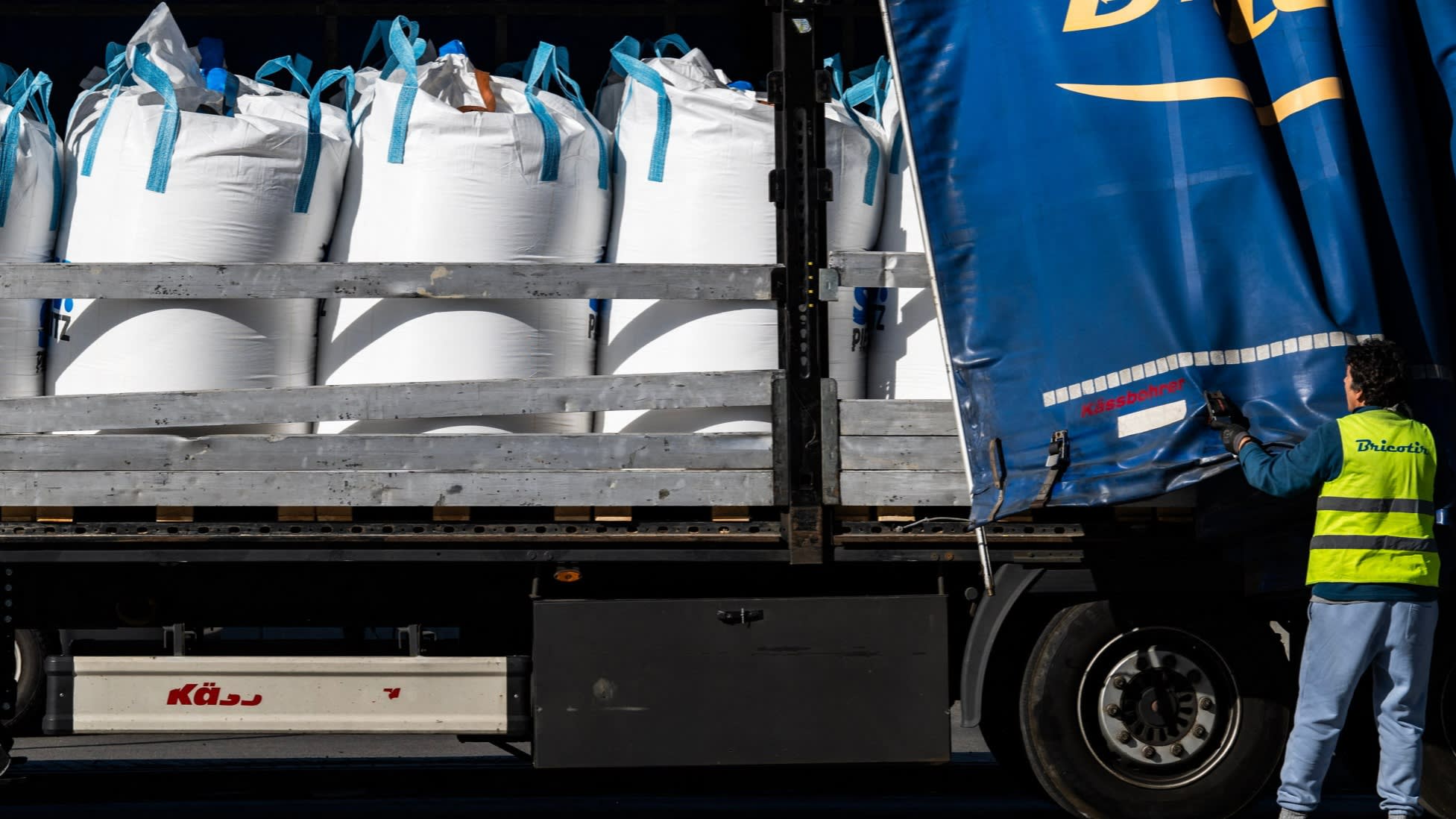
The Strait of Hormuz is, of course, one of the most critical chokepoints. Before the conflict, roughly 35% of global crude oil exports, 20% of LNG exports, and up to 30% of fertiliser exports transited through this narrow strip of water. Gulf countries are also major exporters of sulfur – essential for phosphate fertiliser production.
Log in to continue reading for free