Anoop an industry thought leader, has a wide array of experience and managerial expertise and possess legal proficiency too
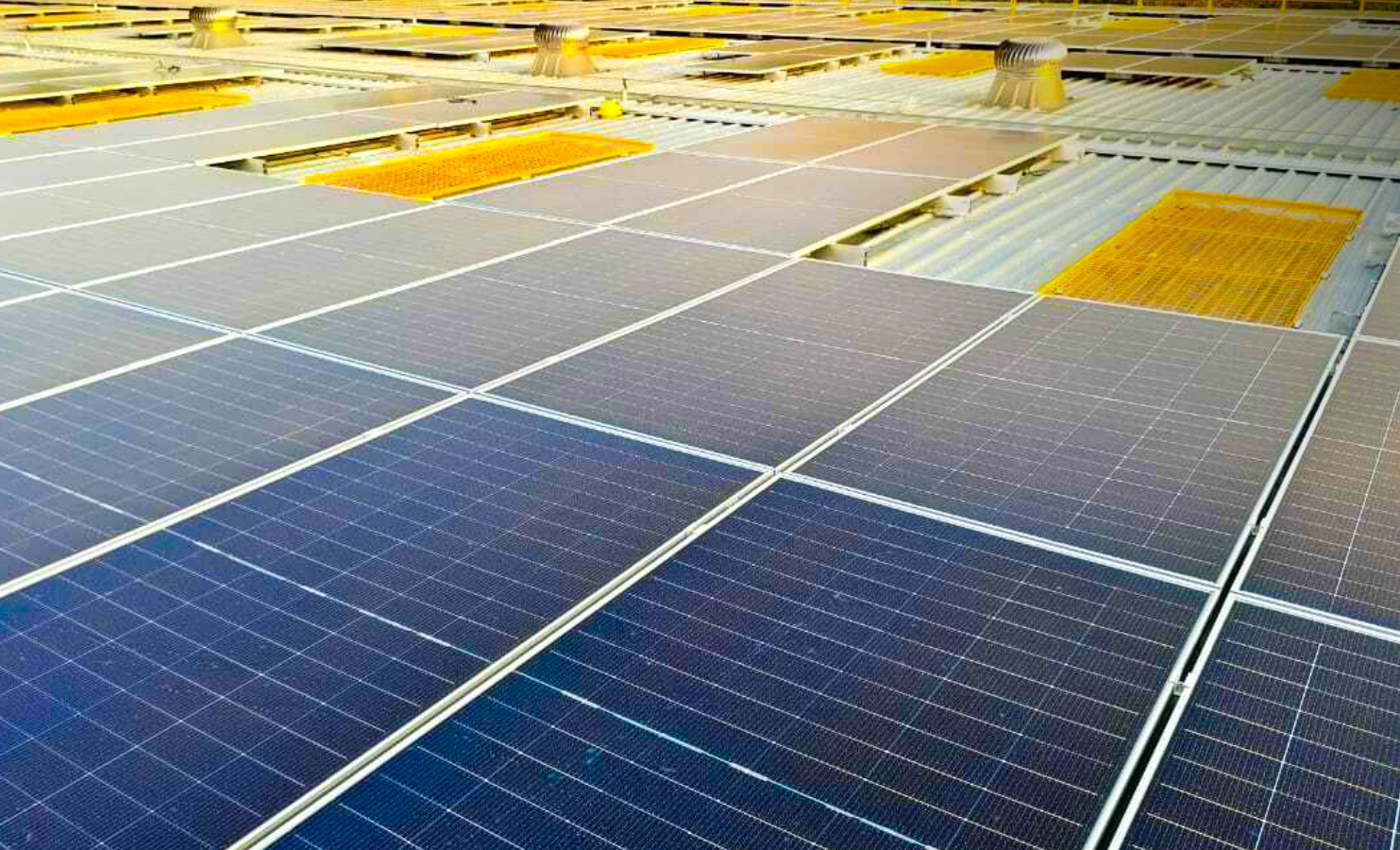
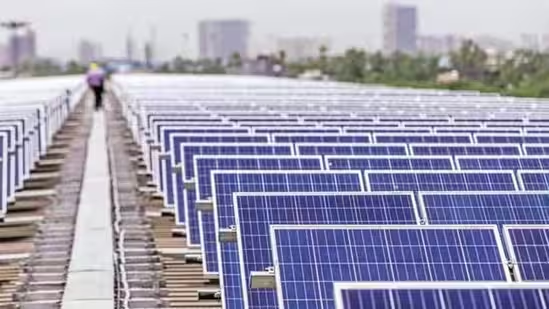
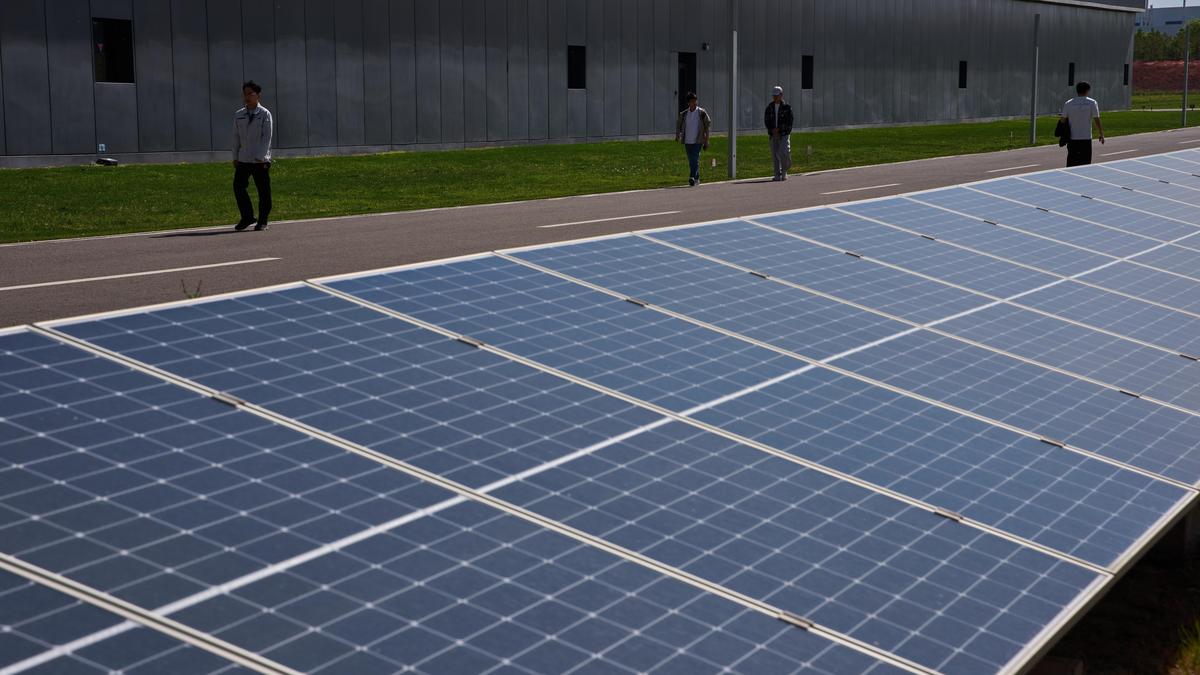
Solar energy is considered an environmentally friendly source of energy because it comes directly from the sun, and doesn’t involve the burning of fossil fuels. Solar energy is a step toward green energy or rather we can say creating a base for ‘low carbon economy’. Solar (renewable) energy at best can supplement conventional energy like coal, petroleum, gas and others, especially in high energy intensive countries of the world.
The efforts to use 100 percent solar energy for electricity, heating, cooling, and transport are driven by global warming, pollution, and other environmental issues, as well as economic and energy security concerns. Shifting the total global primary energy supply to renewable sources like solar energy requires a transition of the energy system. Renewable energy use has grown much faster than ever expected. The biggest advantages of solar power include the energy independence, quiet energy production, environment friendliness, and its overall cost. But, we cannot ignore the high-initial cost and its dependence on clear weather, it is not always available, and methods of storage and stop-gap are required for when it is cloudy or raining outside.