Networks
Greek mountaintop ground station aims infrared beams at CubeSats in ESA-backed optical networking trial
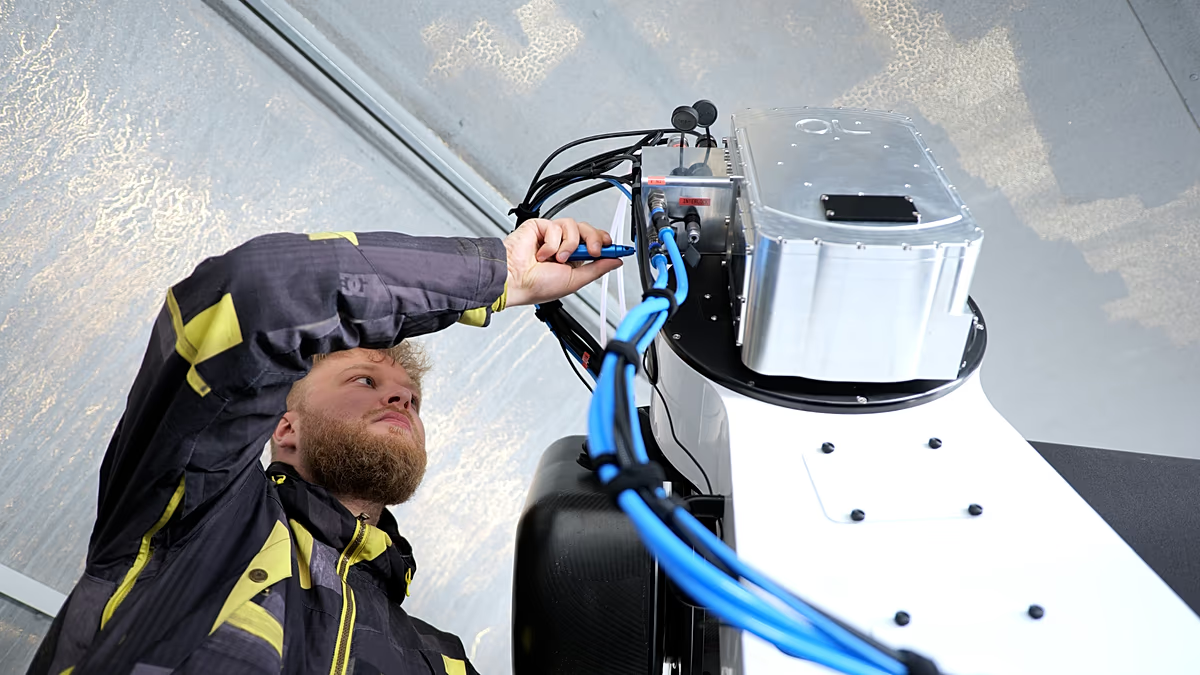
Europe's hunt for secure, high-capacity satellite communications infrastructure has produced a laser-equipped mountaintop ground station in northern Greece.Lithuanian space and defense biz Astrolight says that it has commissioned a new optical ground station in Greece that will support ESA-backed CubeSat missions testing laser-based communications between satellites and Earth.The Holomondas Optical Ground Station was built through the PeakSat project, led by the Aristotle University of Thessaloniki with backing from the European Space Agency and Greece's Ministry of Digital Governance. Its job is to receive data from satellites via infrared laser links rather than the radio systems that space operators have relied on for decades.
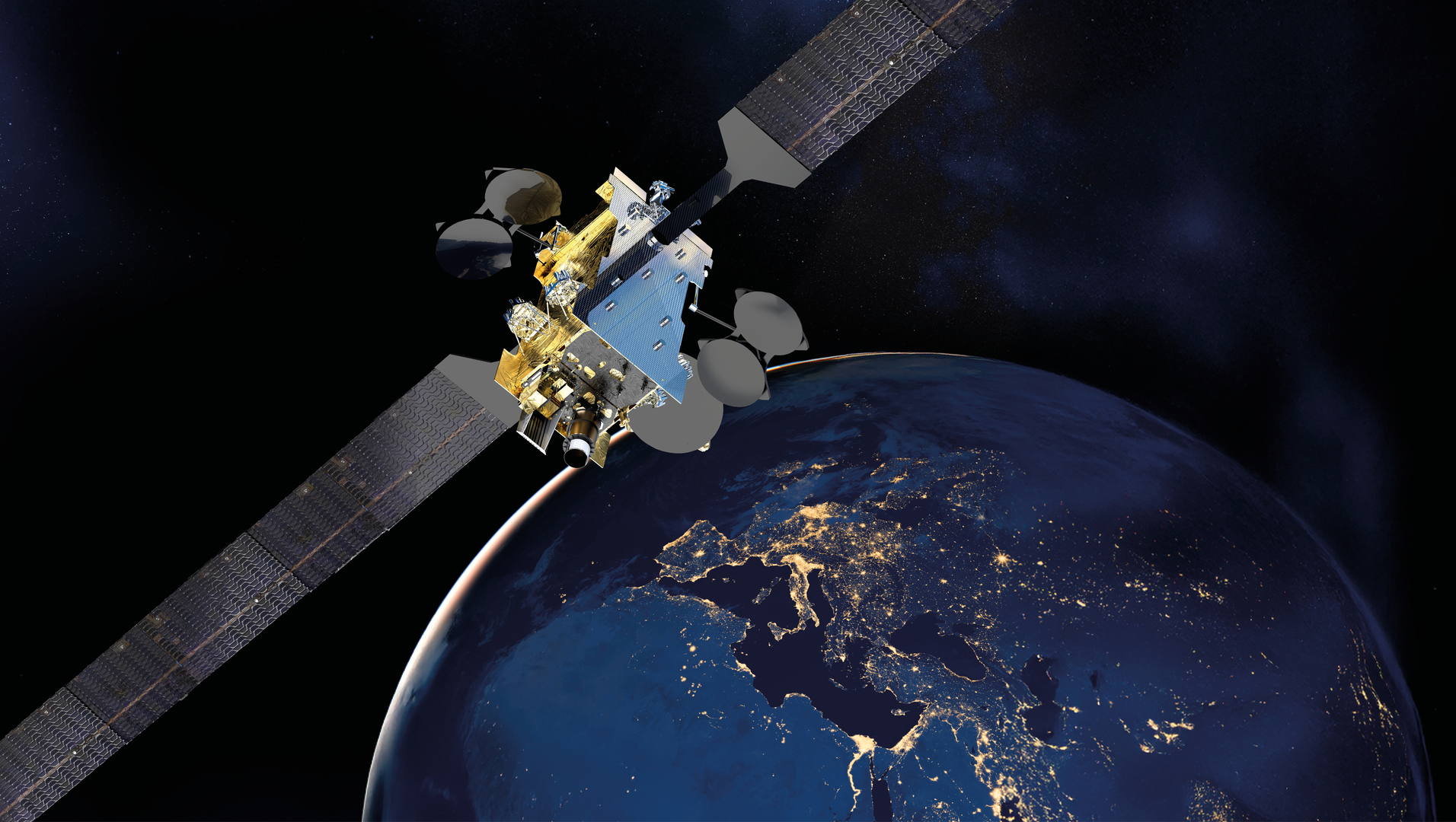
PeakSat and ERMIS-3, two Greek CubeSats launched in March under ESA's wider Greek IOD/IOV mission program, both carry Astrolight's ATLAS-1 optical communication terminal. Astrolight also built the ground segment, giving the project a fully integrated end-to-end optical communications setup.
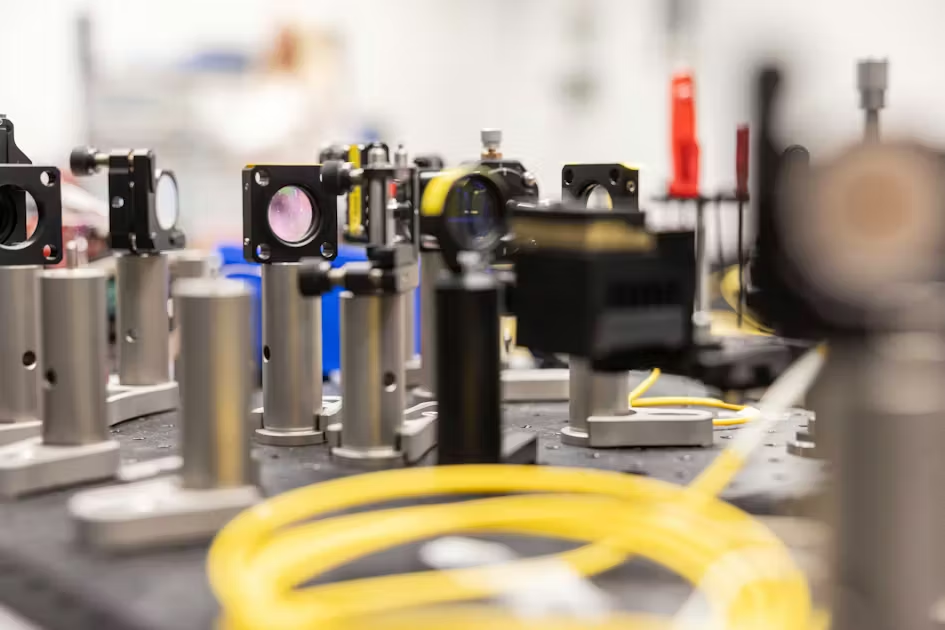
Astrolight CEO Laurynas Mačiulis told The Register that the company originally pursued laser communications after concluding it "would need to tap into the optical spectrum," as demand for satellite bandwidth continues to grow. He described optical connectivity as "one of the enabling technologies for further expansion into space."The company says the station uses an 808-nanometer laser beacon and an optical C-band receiver capable of receiving data at up to 2.5 Gbps. Unlike traditional RF systems, optical links use tightly focused infrared beams that are harder to intercept or jam while also supporting significantly higher throughput.