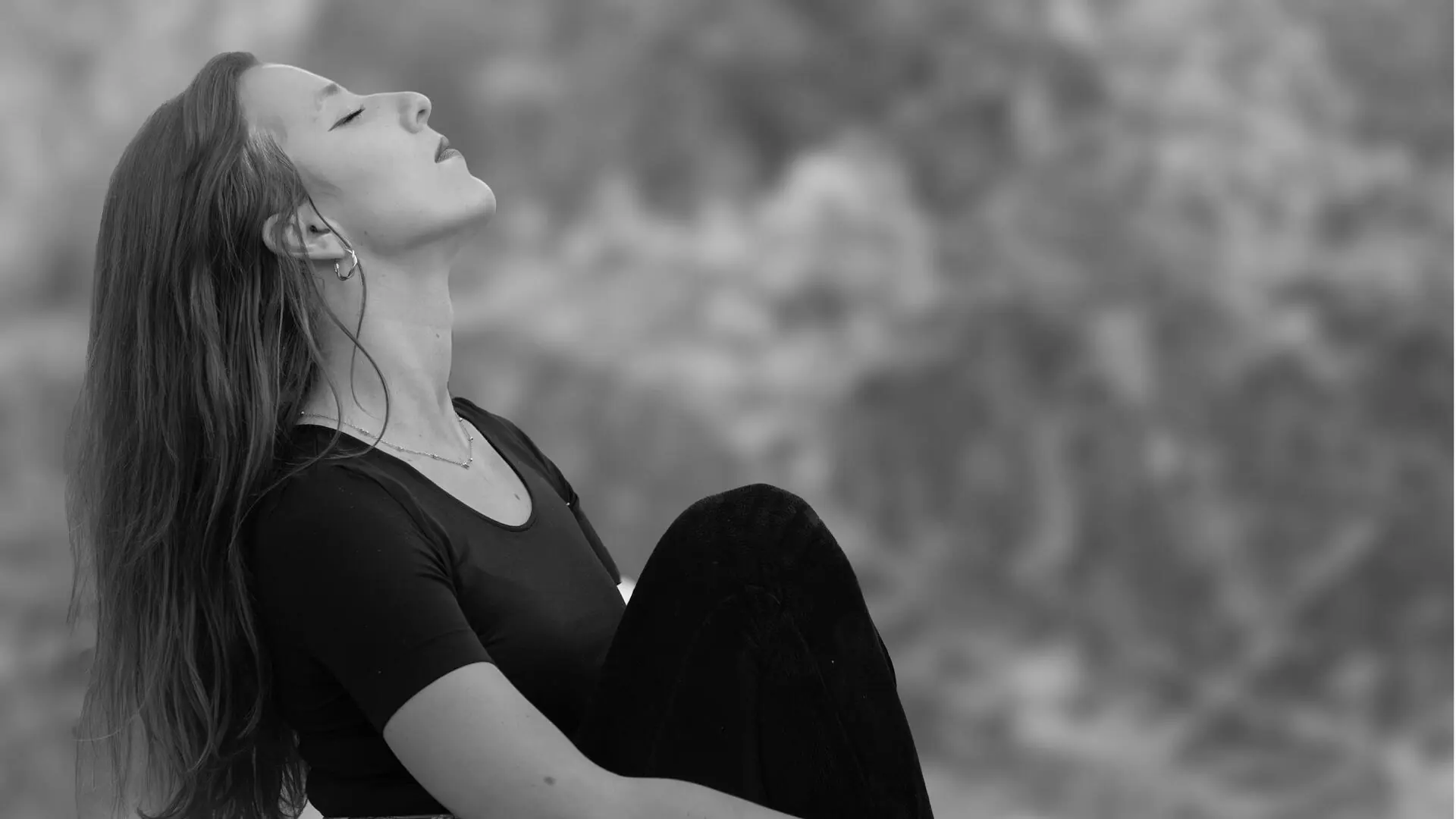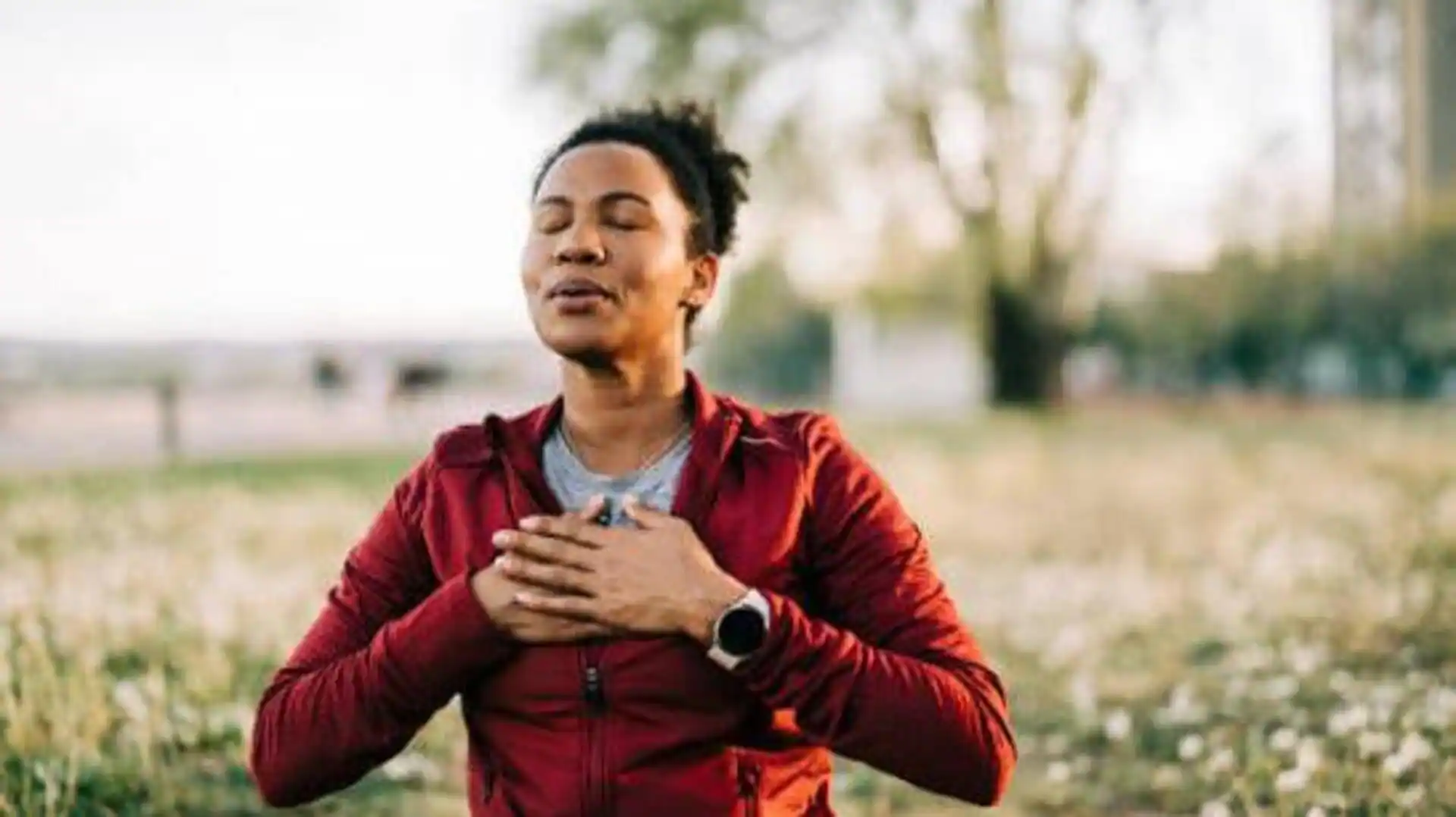
Slow breathing can calm the mind without thinking about it – but conscious breathwork probably helpsRahul Sapra/Alamy
You don’t need to be a scientist to know that taking slow, deep breaths will calm you down. What’s less easy to explain, though, is how and why it works. The widespread expectation that a deep breath will calm you down raises the possibility that it’s at least partly a placebo effect – that it works because we expect it to, not because of any change in the body’s physiology.
Now, a study presented at the Embodied Minds Summit in Los Angeles on 3 May, has provided an answer. Jack Feldman, a neuroscientist at UCLA, showed that mice trained to slow their breathing rate displayed less fear-related behaviours in standard tests of mouse anxiety. This, says Feldman, shows that you don’t need to believe in the power of breathwork to get the benefits. “It’s not a placebo effect because the mice don’t know it’s supposed to calm them down,” he says.
The study built on Feldman’s 1991 discovery that a small region of the brainstem, the pre-Bötzinger Complex (preBötC) is the master pacemaker of breathing rate in mammals. The preBötC mostly operates automatically, speeding and slowing the rate of breathing depending on the body’s needs. In humans, though, this region is connected to cortical brain regions involved in decision-making, allowing us to intentionally override the pacemaker to change the rhythm of our own breathing – a skill that enables us to talk, laugh and sing.