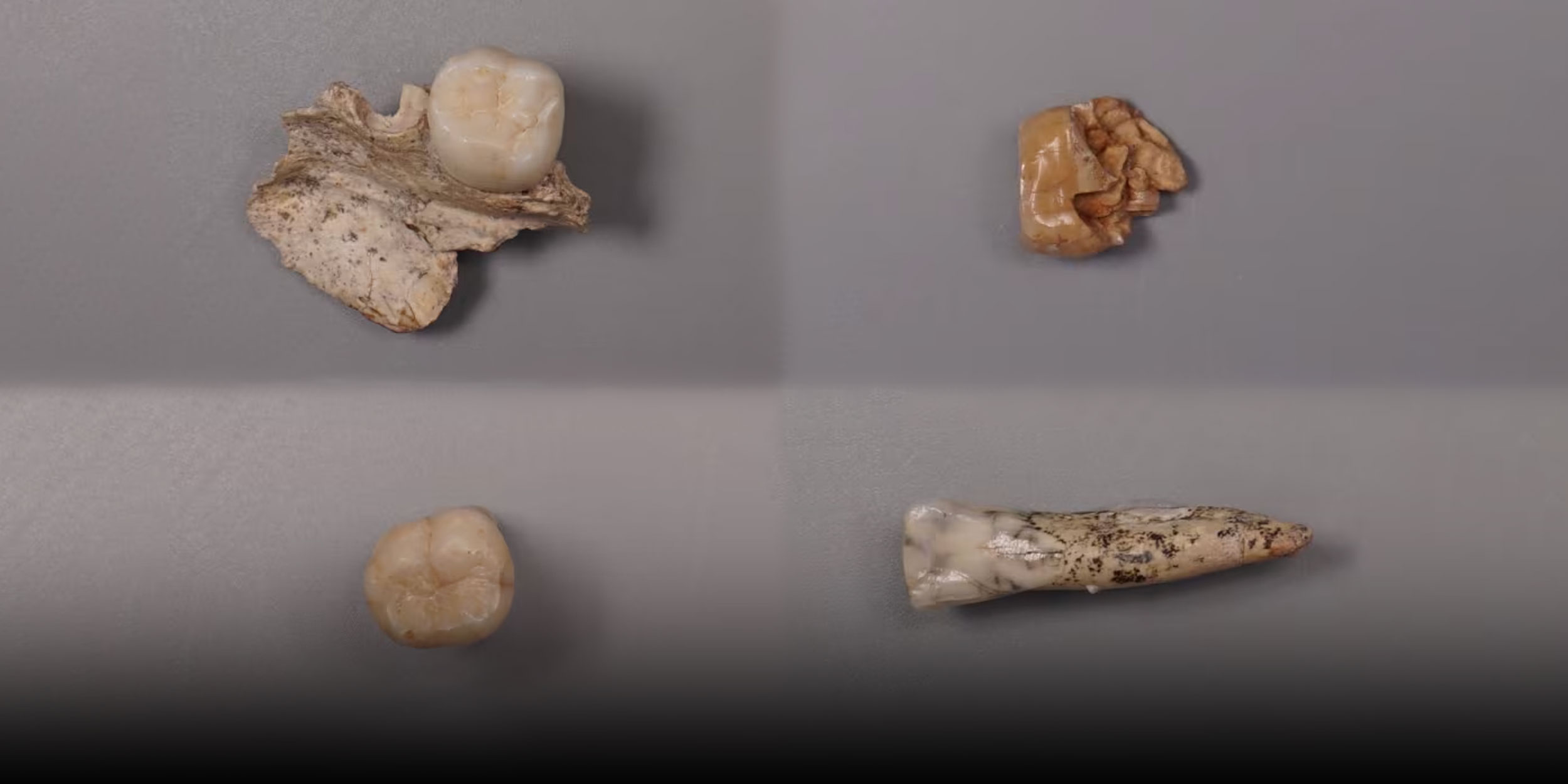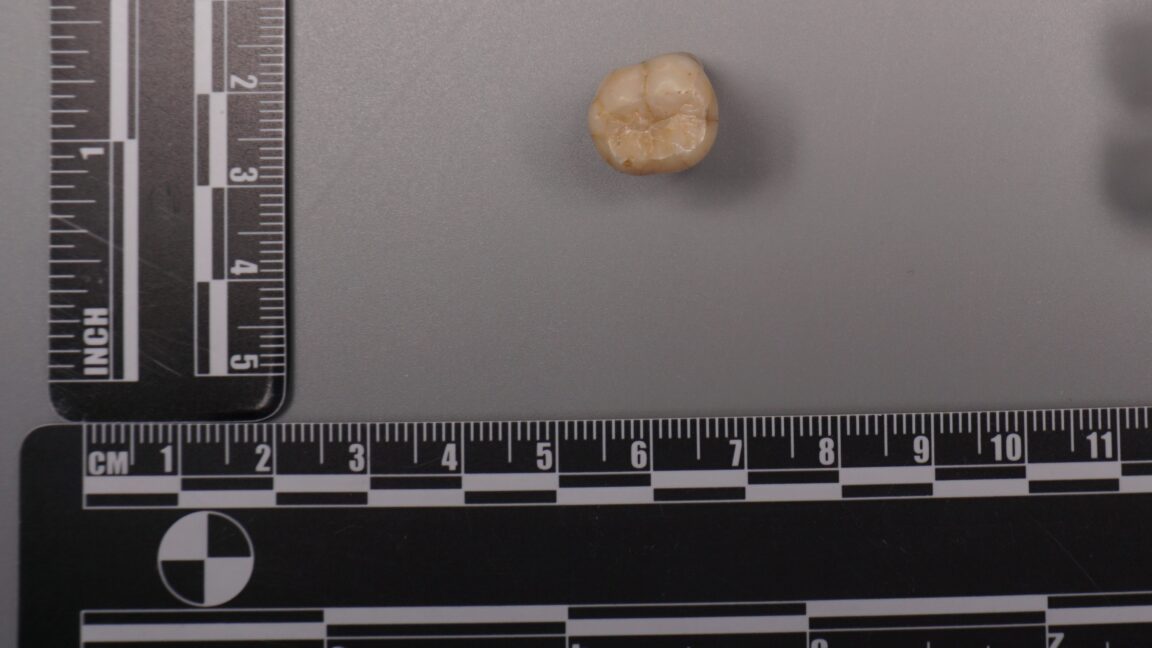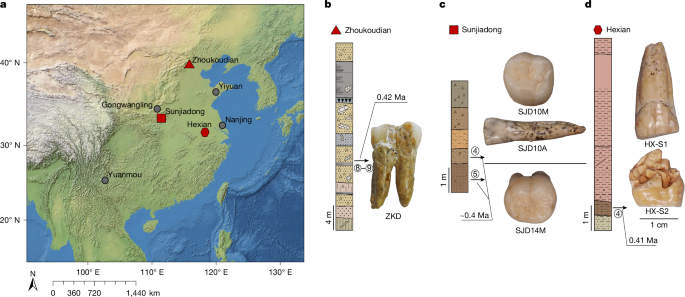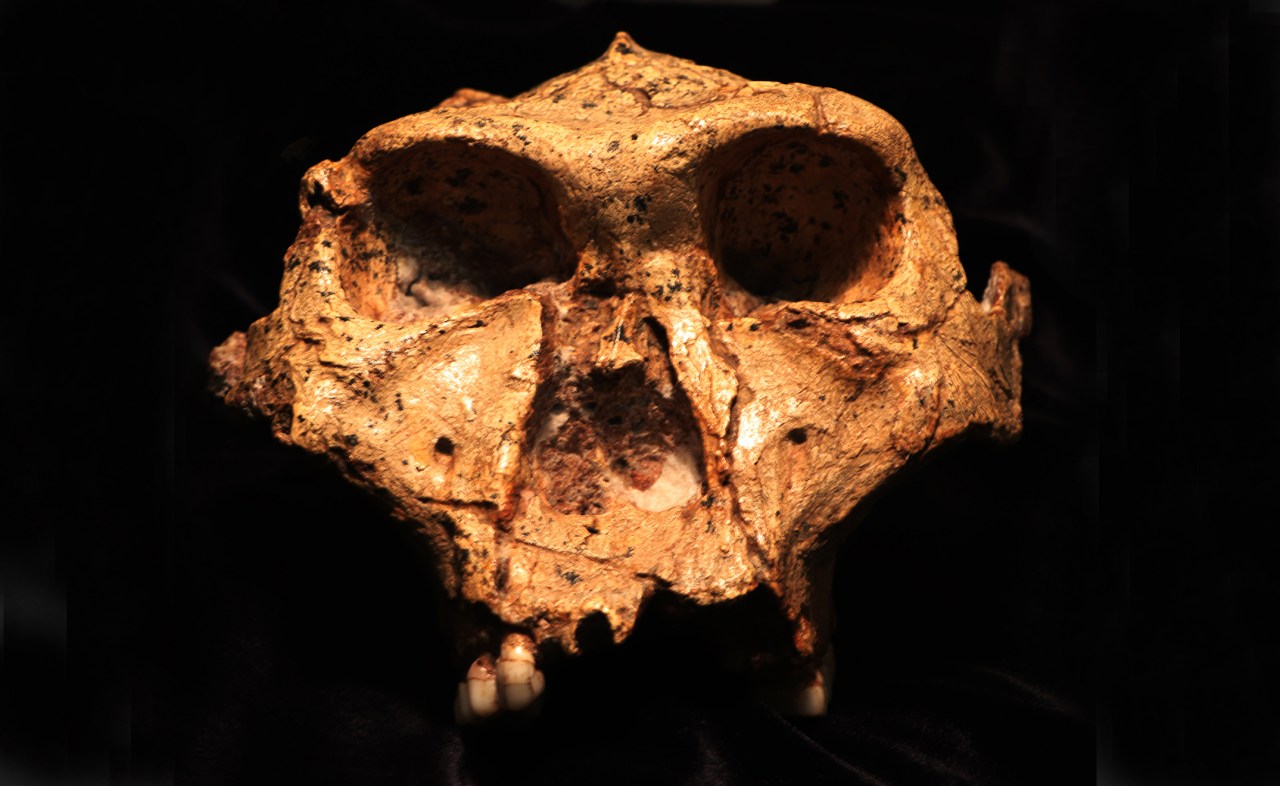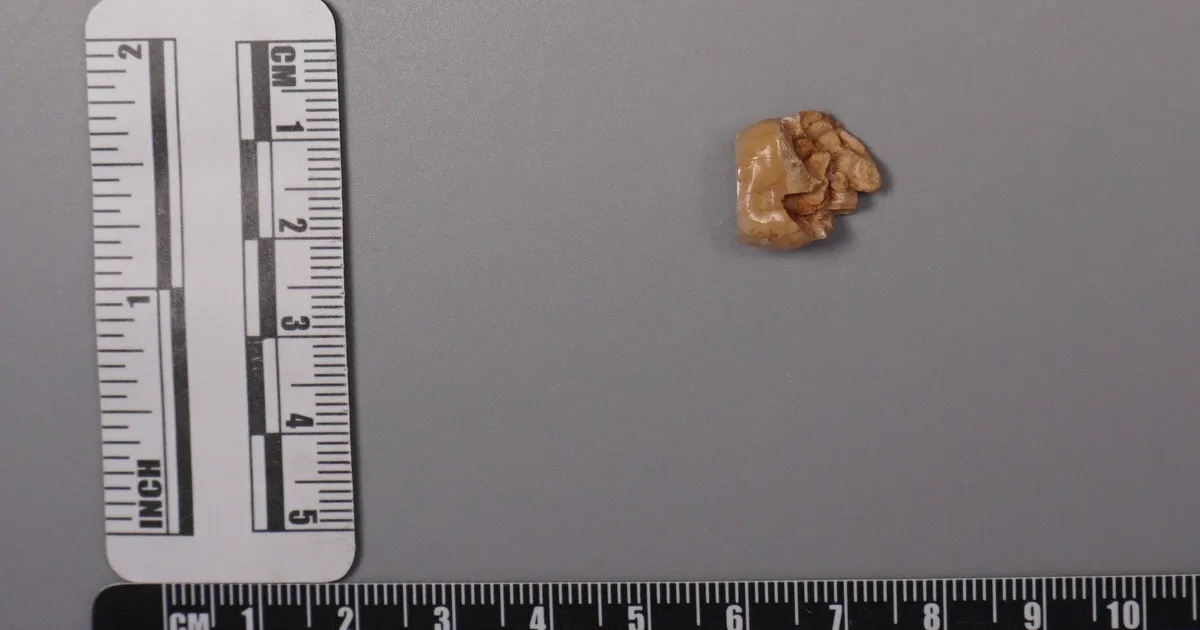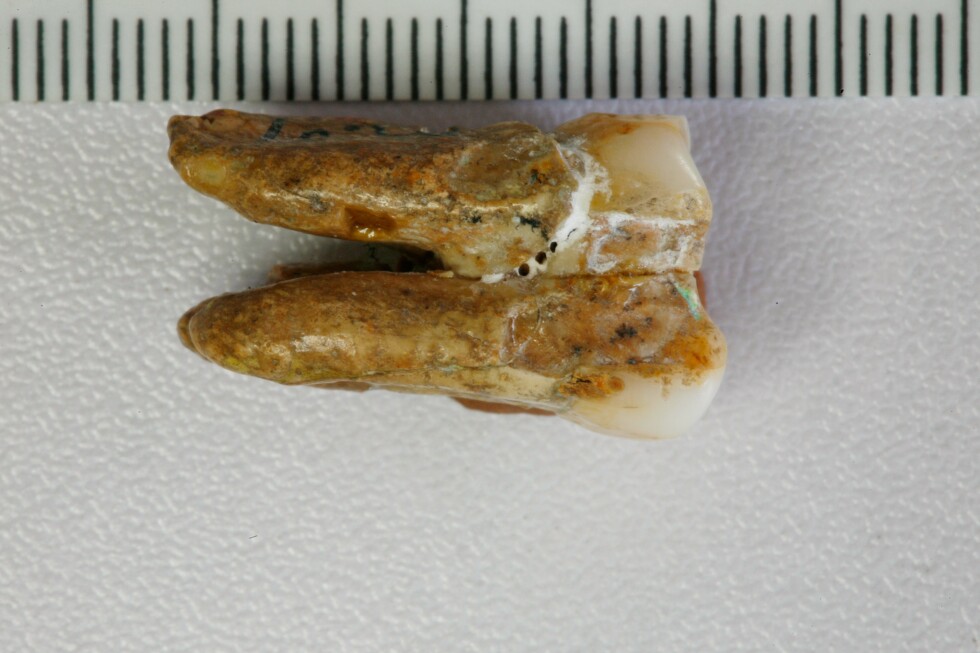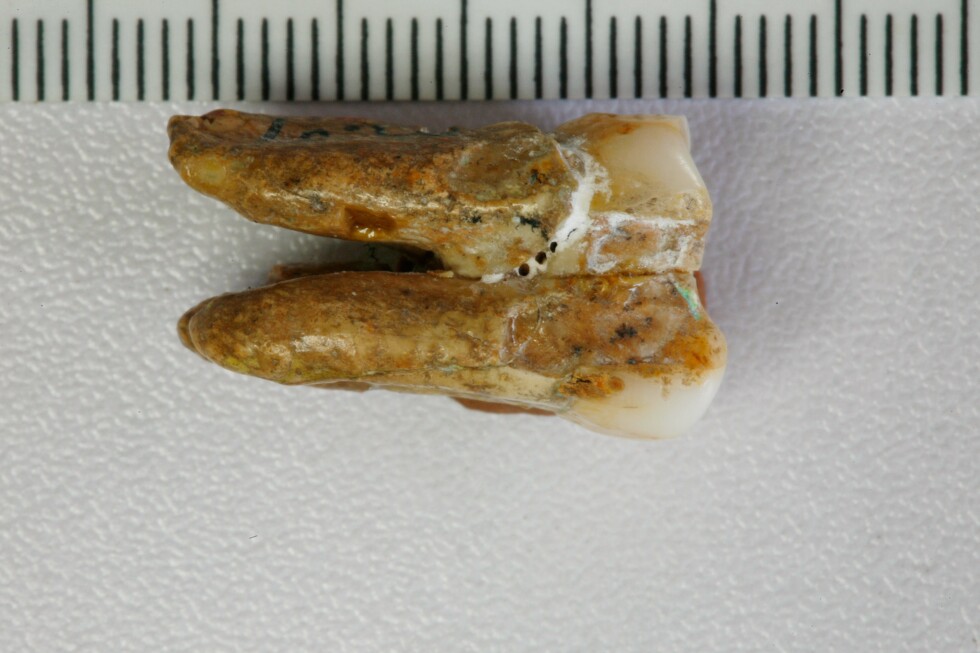
A tooth found in Sunjiadong, China, thought to belong to Homo erectusQiaomei Fu, Institute of Vertebrate Paleontology and Paleoanthropology, Chinese Academy of Sciences
For the first time, researchers have obtained substantial amounts of preserved protein from fossils believed to belong to the ancient human species Homo erectus.
While proteins have been recovered from H. erectus fossils before, this is the first time they have revealed meaningful information about the species. The proteins suggest that H. erectus interbred with another group of hominins in Asia, the Denisovans.
H. erectus was one of the most long-lived and widespread hominin species. They appear in the fossil record 2 million years ago in Africa and reached Eurasia by 1.8 million years ago – as shown by fossils from Dmanisi, Georgia. Some of them went all the way to Java in what is now Indonesia, where they survived until as recently as 108,000 years ago.
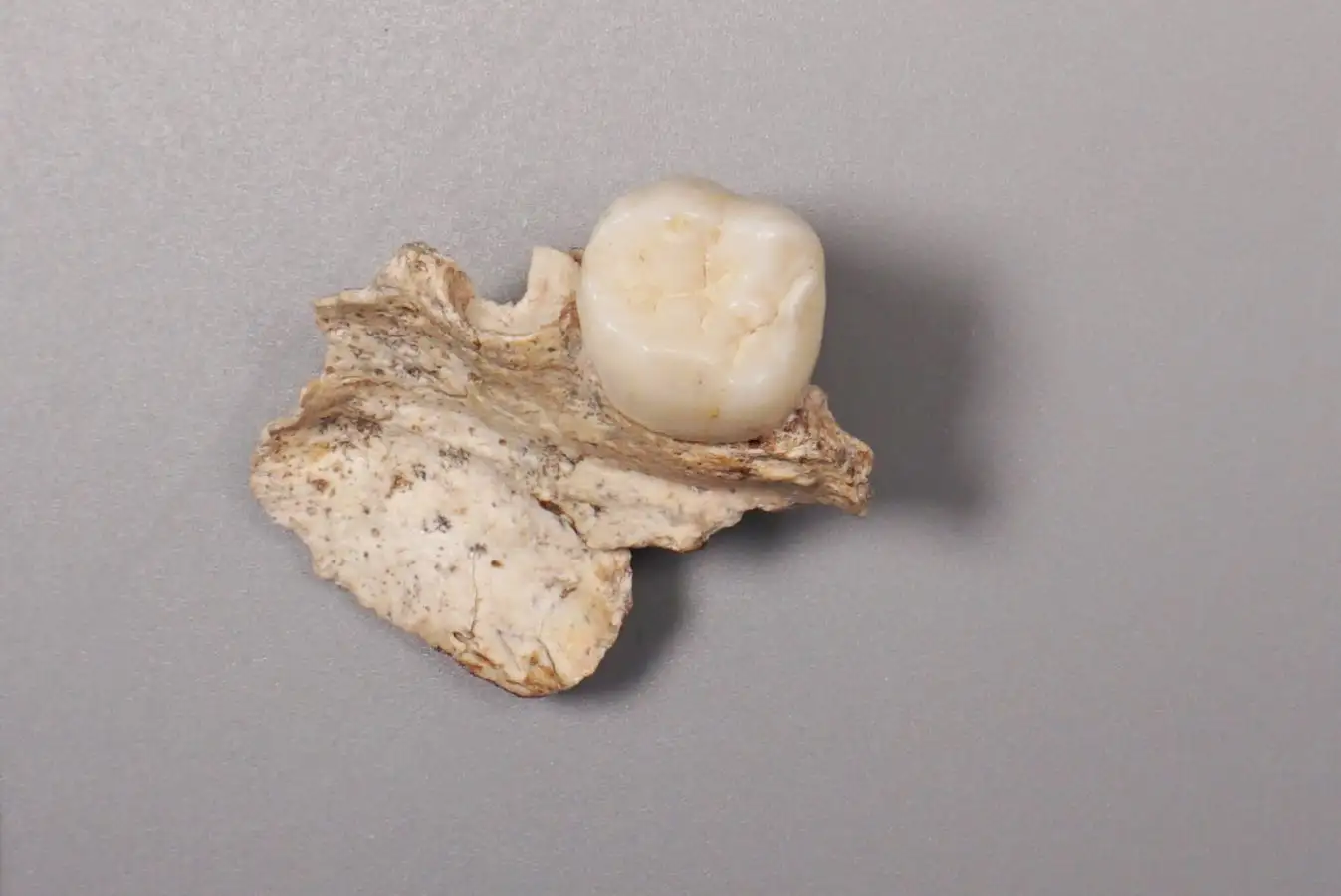
In 2020, researchers led by Frido Welker at the University of Copenhagen in Denmark obtained proteins from the dental enamel of one H. erectus tooth from Dmanisi. This was proof of principle that proteins could be recovered from H. erectus fossils, says John Hawks, at the University of Wisconsin-Madison. However, the data itself was disappointing: “It gave them basically no information about the Dmanisi fossil.”