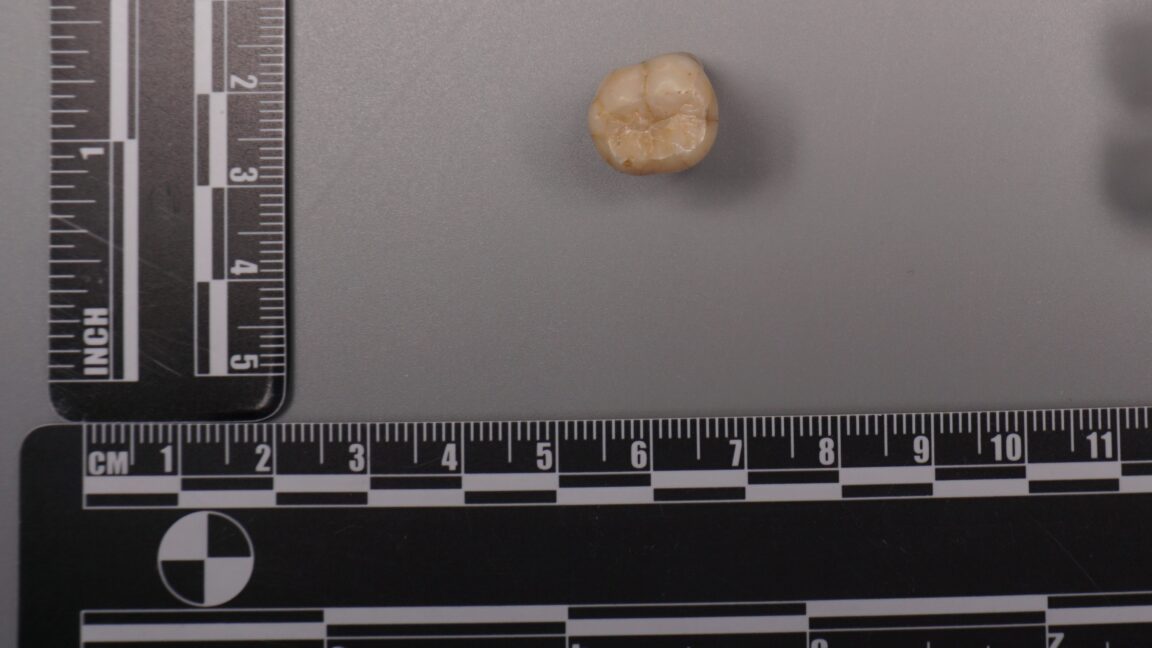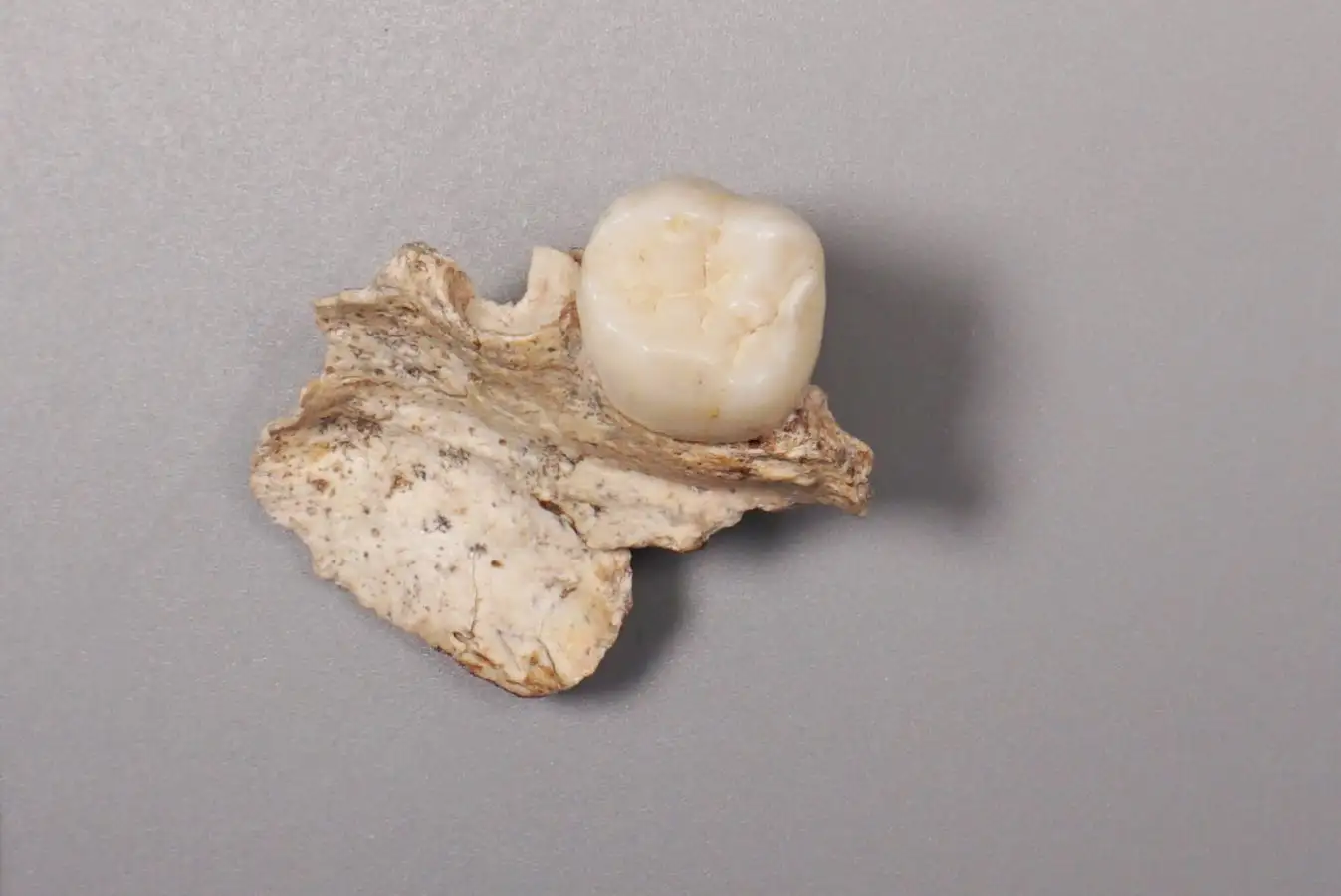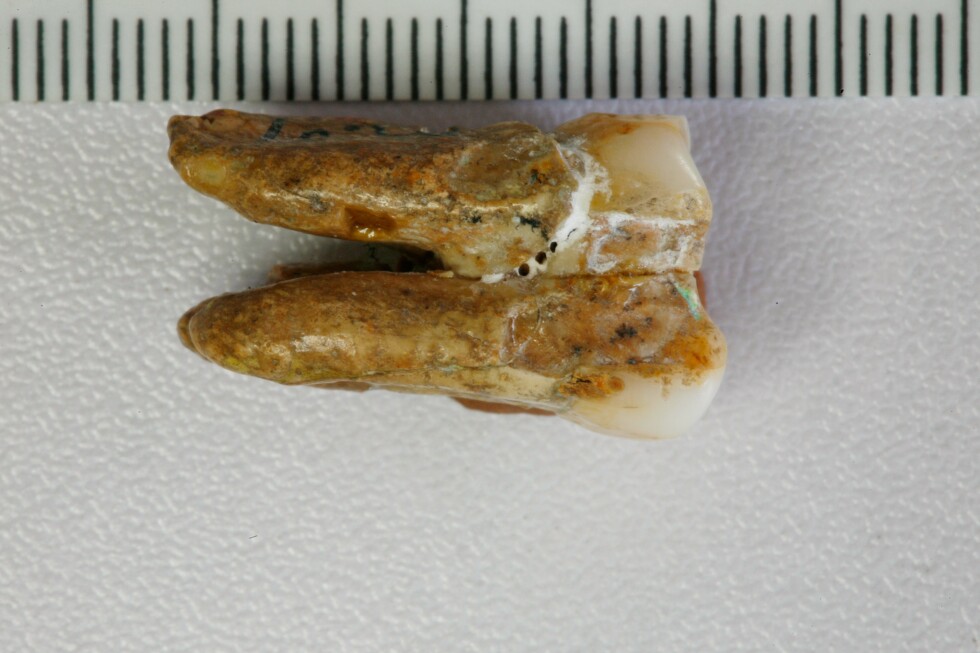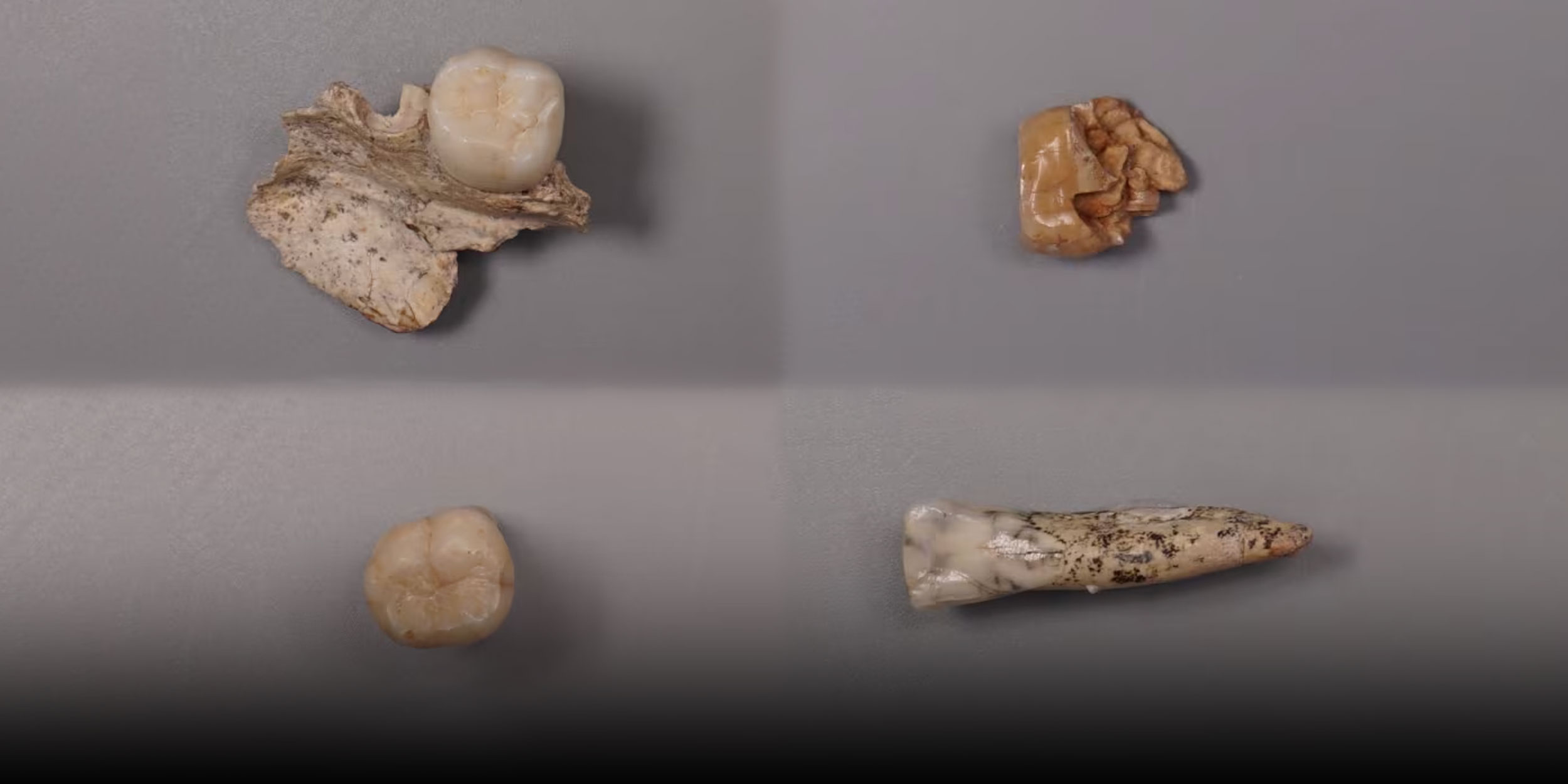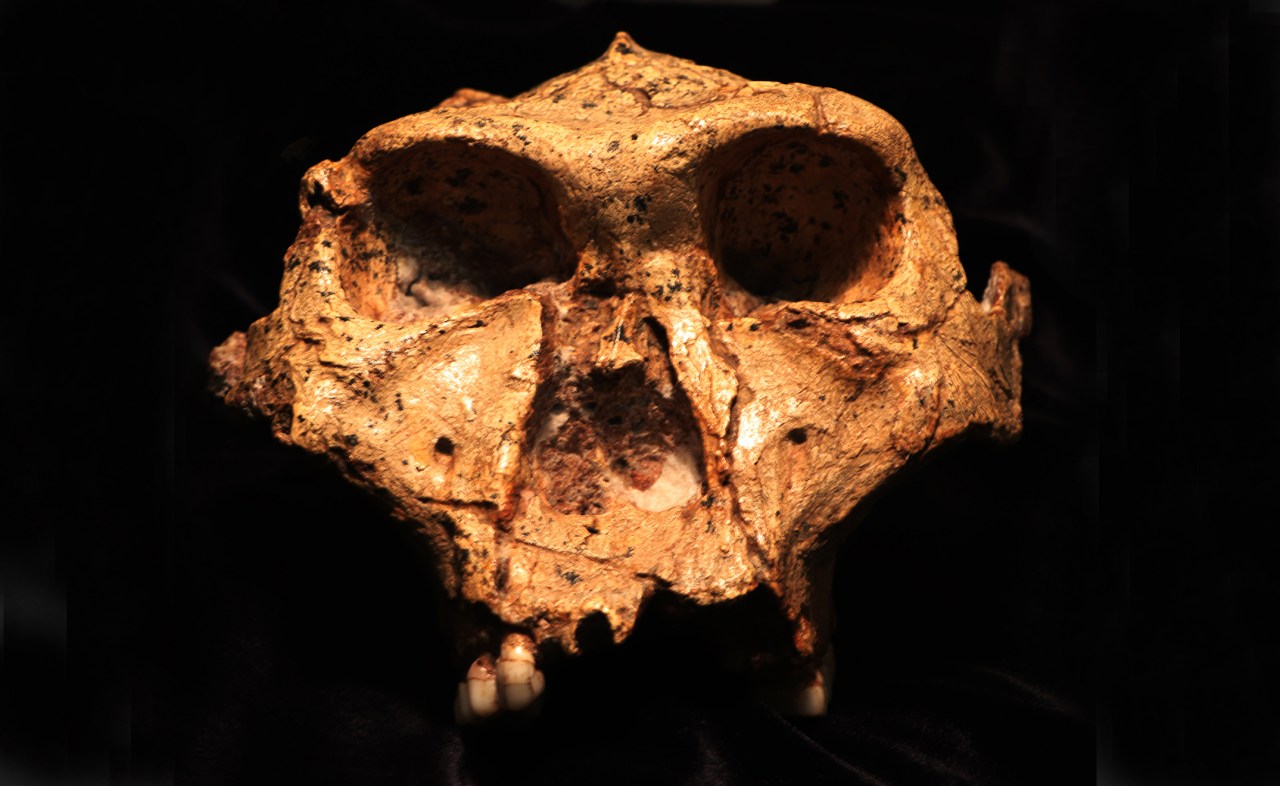
Researchers have extracted 2 million-year-old protein remains from ancient pre-human teeth to reveal biological sex and genetic variability.
The teeth are from Paranthropus robustus, an extinct hominin genus that emerged and evolved in Africa between 2.8 and 1.2 Ma. It is considered to be a side branch of our evolutionary tree. It walked on two legs and co-existed with early species of Homo in Africa, possibly interacting.
The work, published in the journal Science, marks a significant breakthrough in human evolution studies. It provides some of the oldest human genetic data from Africa and reveals previously undetected genetic variability.
“Because we can sample multiple African Pleistocene hominin individuals classified within the same group, we’re now able to observe not just biological sex but, for the first time, genetic differences that might have existed among them,” says the study’s co-lead Palesa Madupe.
Madupe is a postdoctoral research Fellow at the Globe Institute at the University of Copenhagen and research associate at the Human Evolution Research Institute (HERI) at the University of Cape Town.