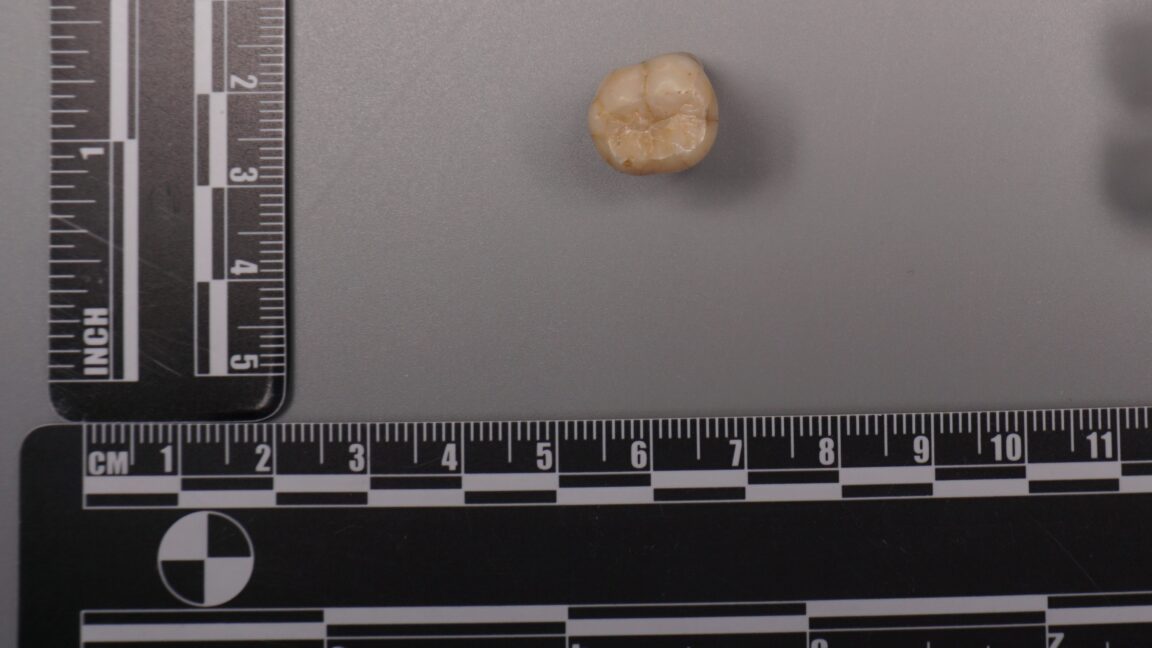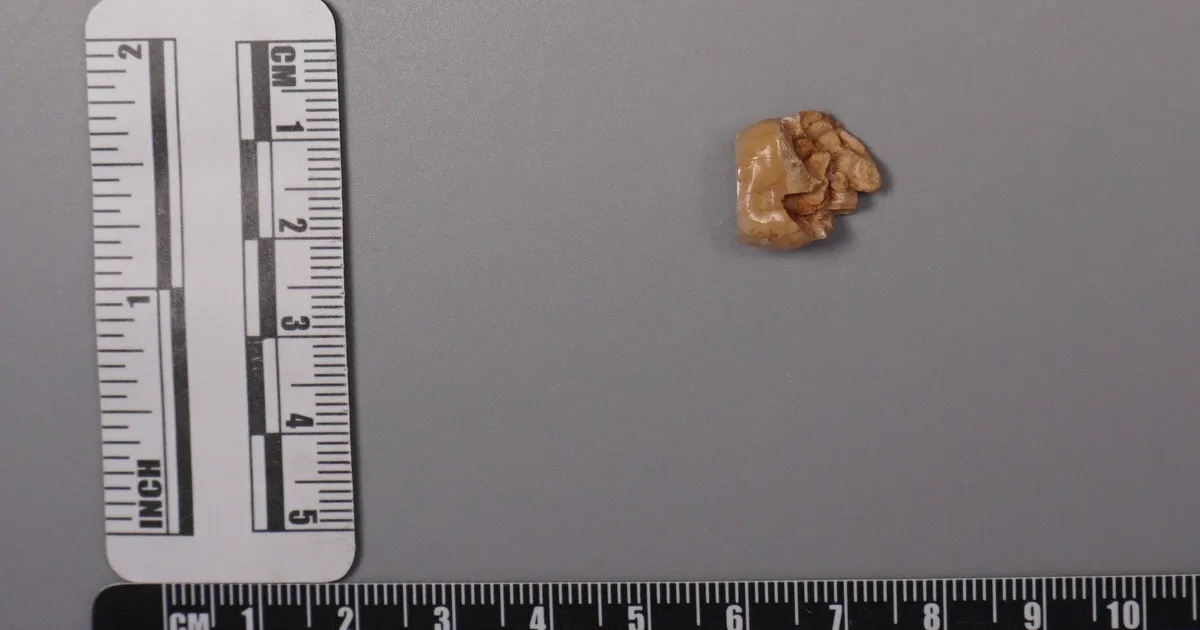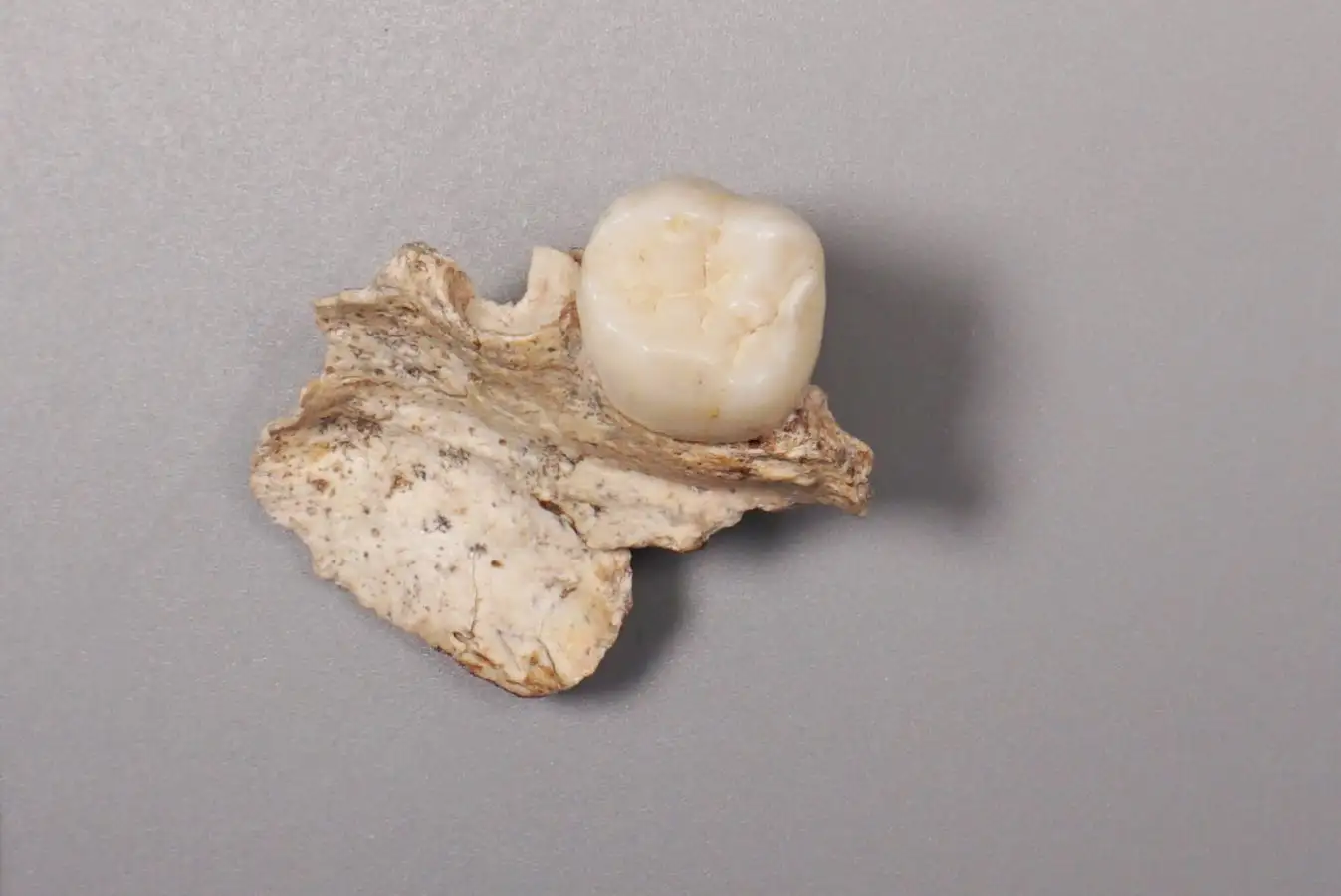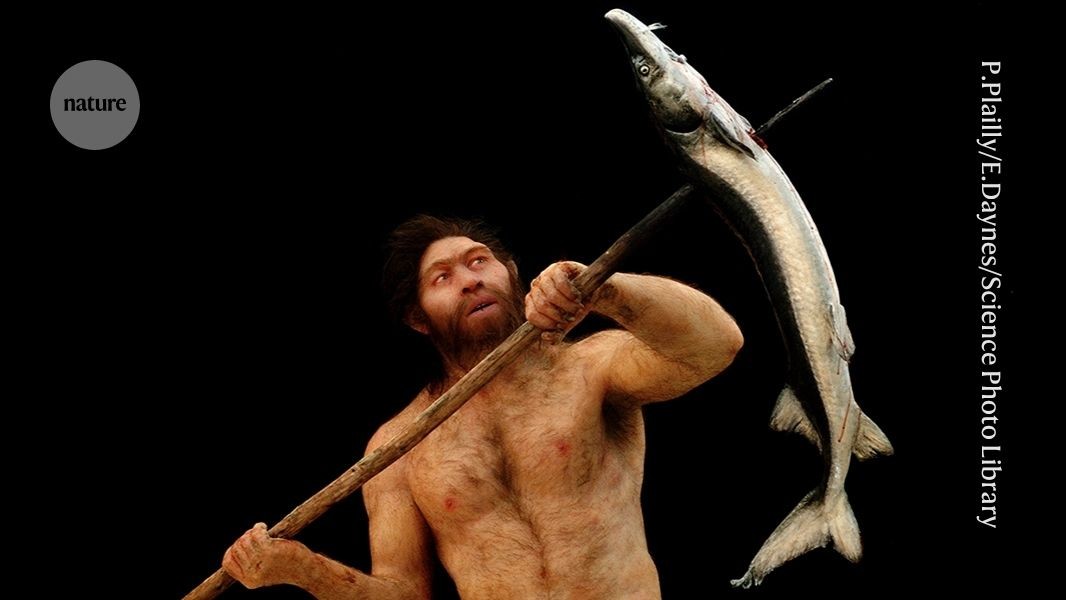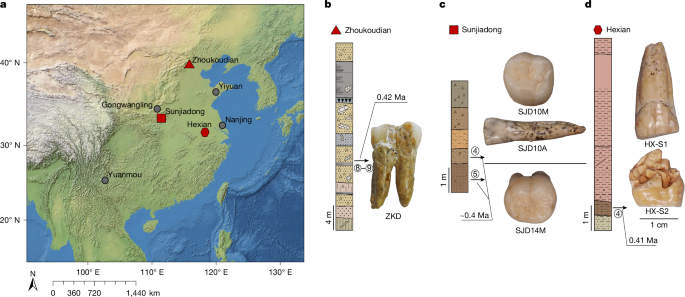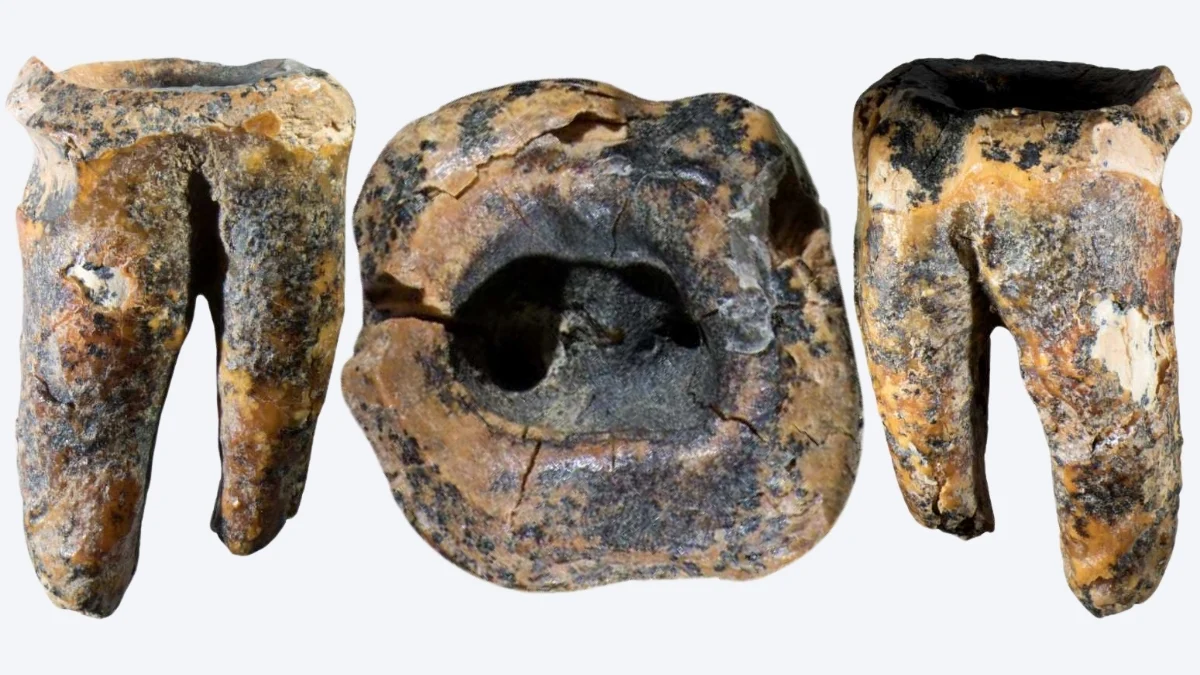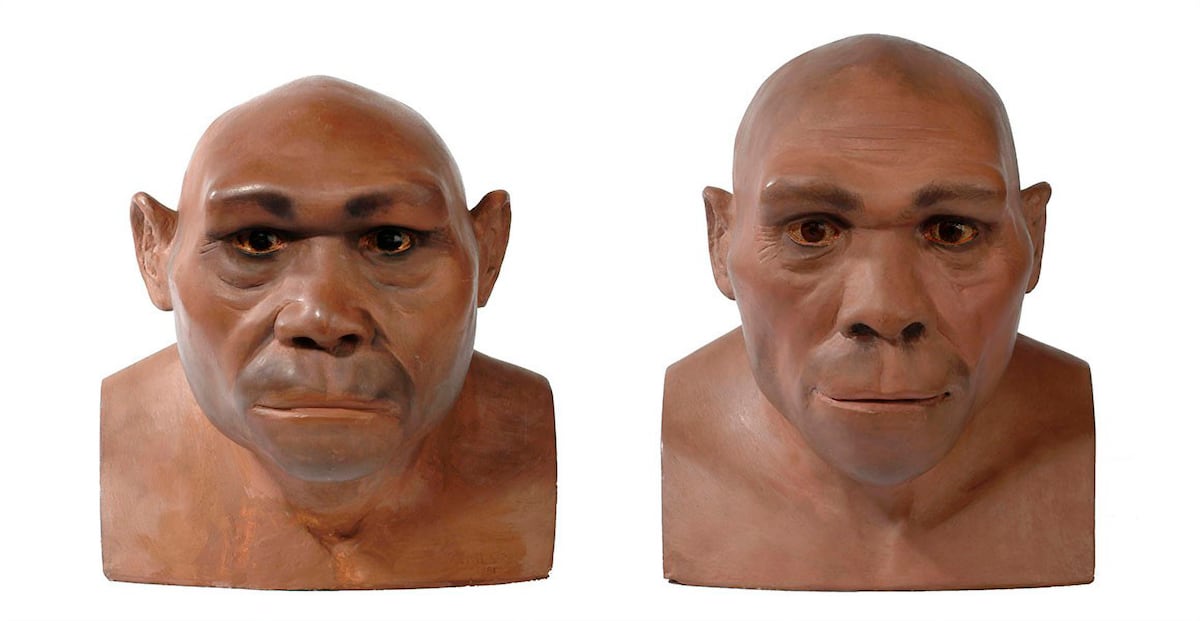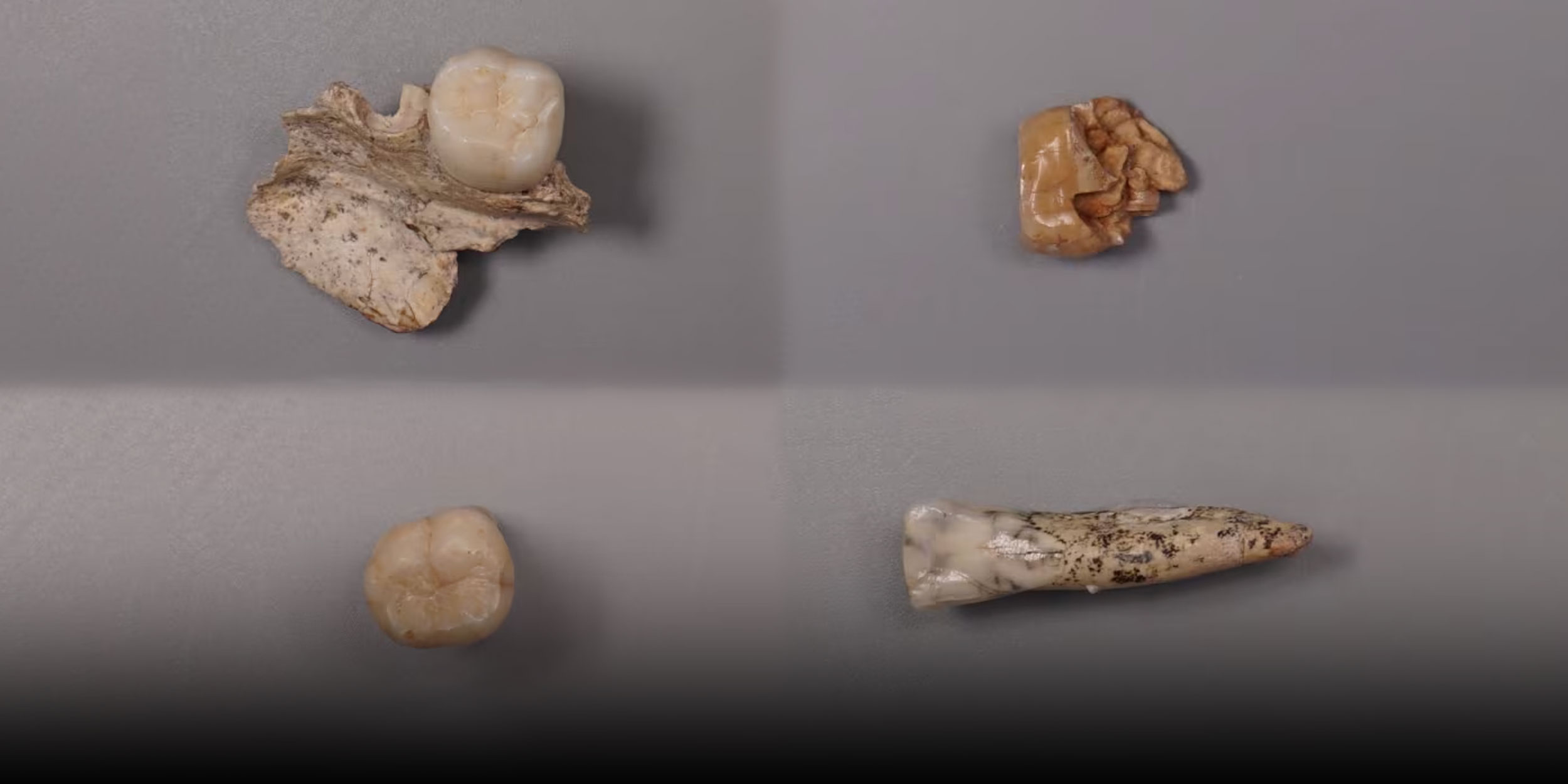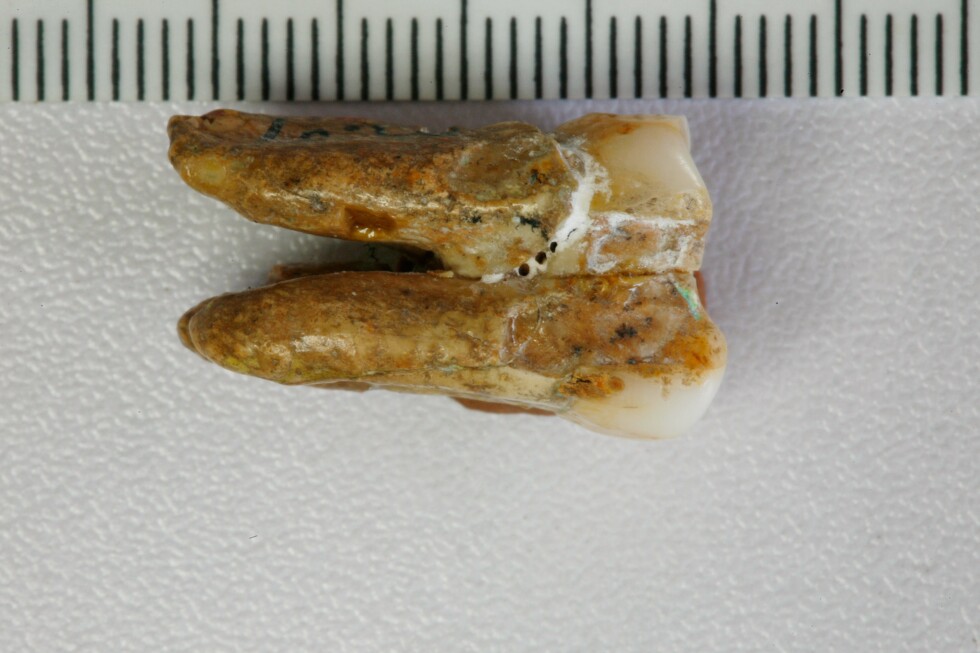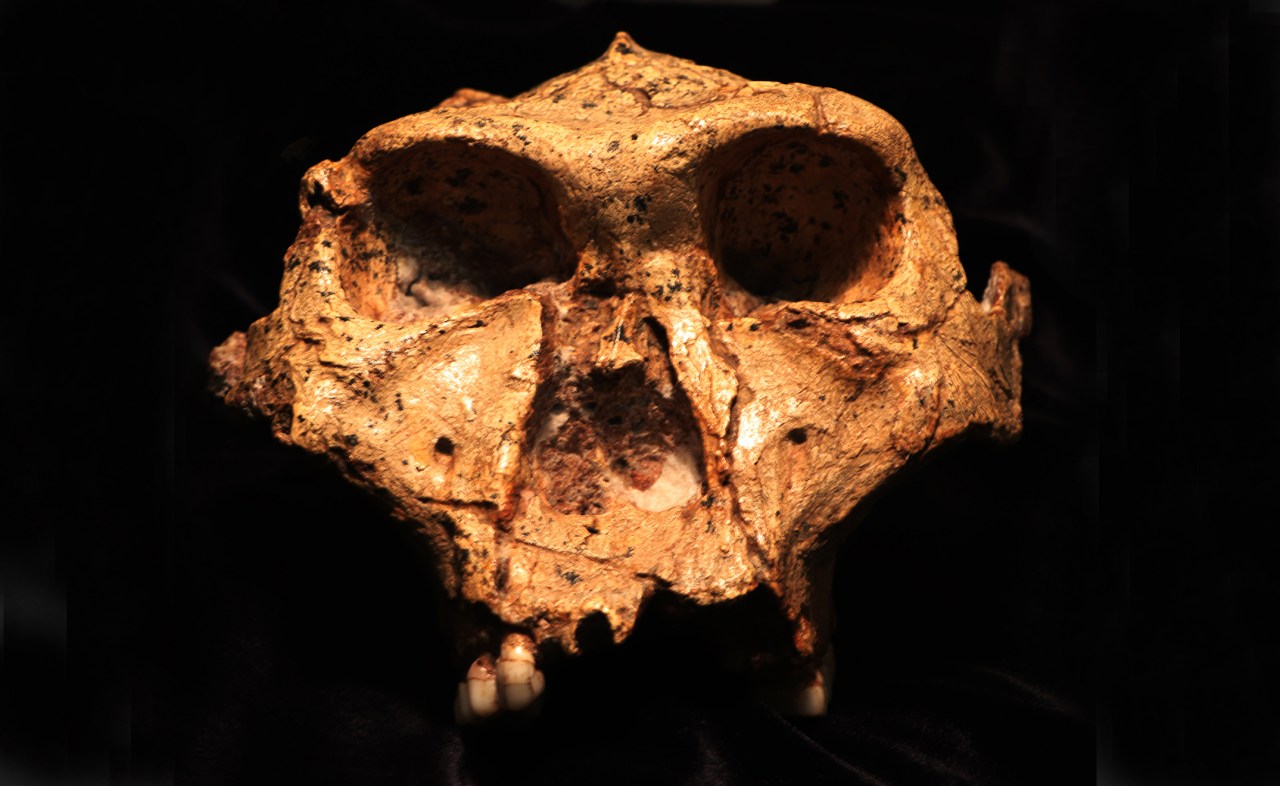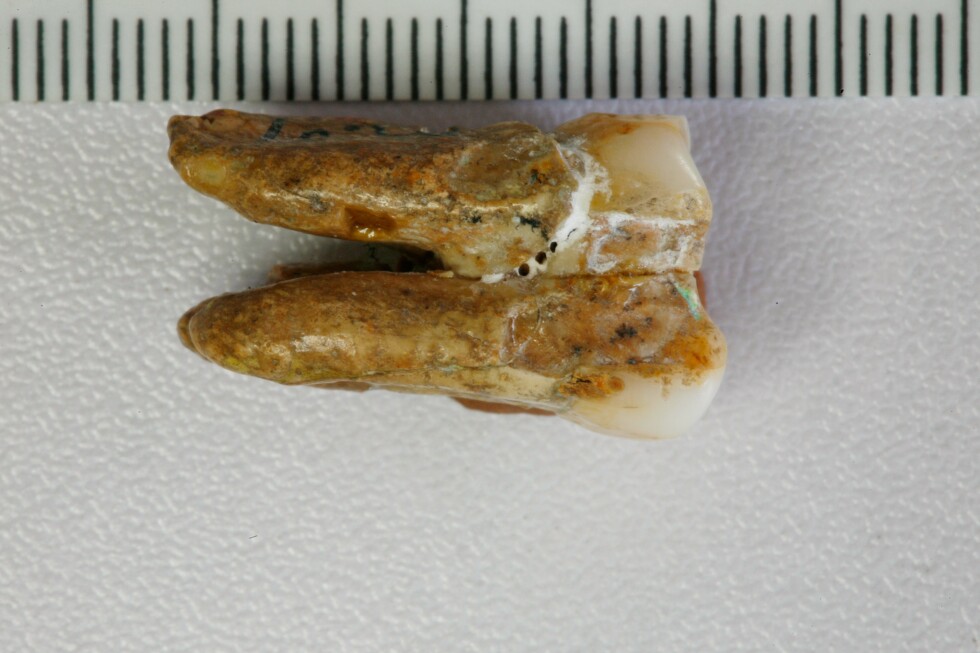
NEW YORK (AP) — An analysis of ancient teeth is giving scientists a rare peek into interactions between human relatives hundreds of thousands of years ago that have left a lasting imprint on our species.A new study reveals genetic clues about a human ancestor called Homo erectus. H. erectus arose in Africa about 2 million years ago and spread to other parts of the globe, including Asia and possibly Europe.Scientists have found remains from this early human in countries including Indonesia, Spain, China and Georgia. But genes and proteins don’t preserve well so information about the early humans’ internal makeup has proved elusive.In a new work, researchers siphoned ancient enamel proteins from H. erectus teeth belonging to five men and one woman that were recovered across several locations in China to learn how these early humans may have mingled.
The 400,000-year-old teeth all had two key mutations in a protein found in tooth enamel. One mutation hasn’t been observed before and could be a unique calling card belonging to East Asian members of H. erectus.The second, though, was more complex. Scientists identified a variant that’s also present in a small fraction of modern humans — as well as one of our extinct cousins called Denisovans.