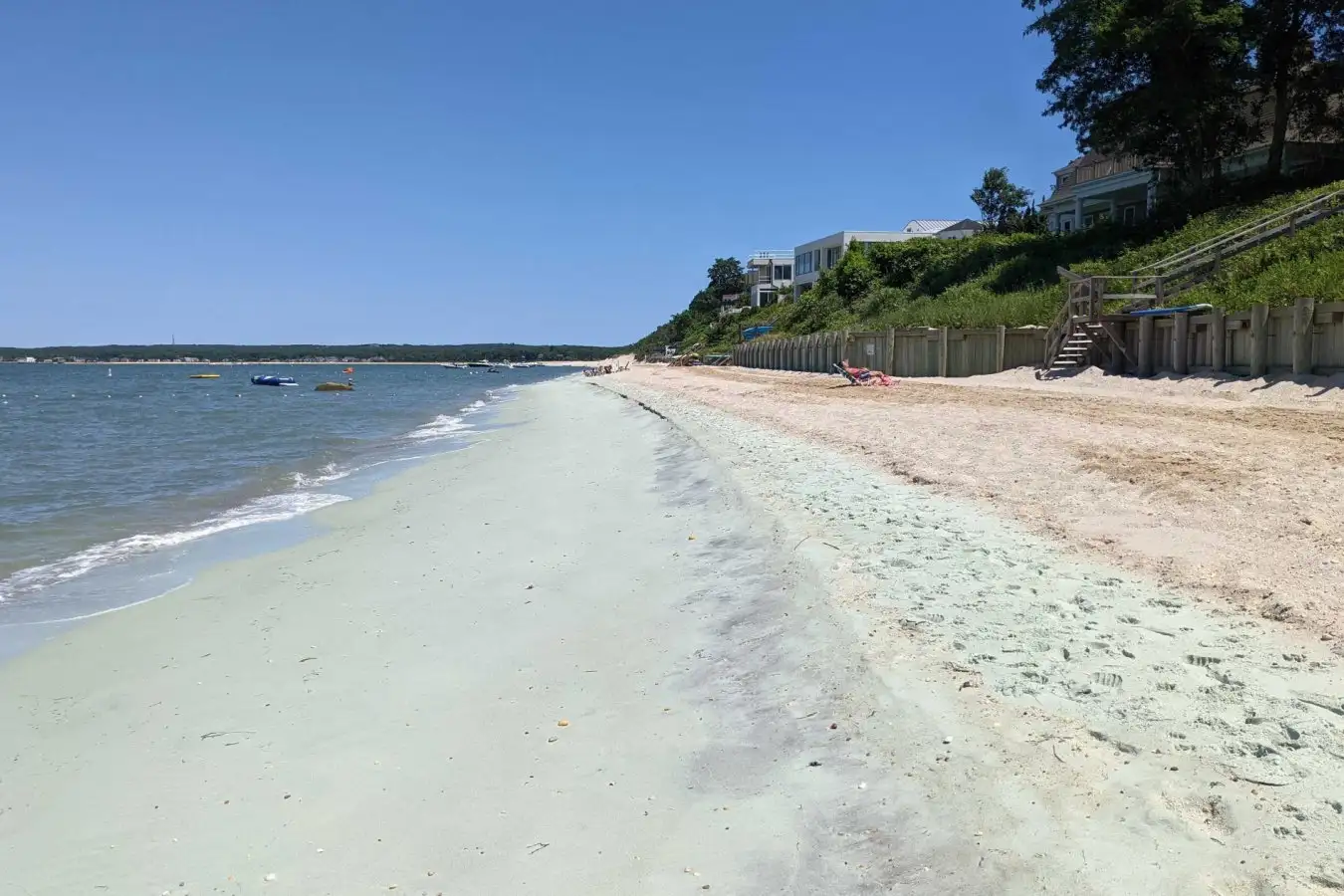
A beach in Southampton, New York, treated with olivine sandChayenne Moreau
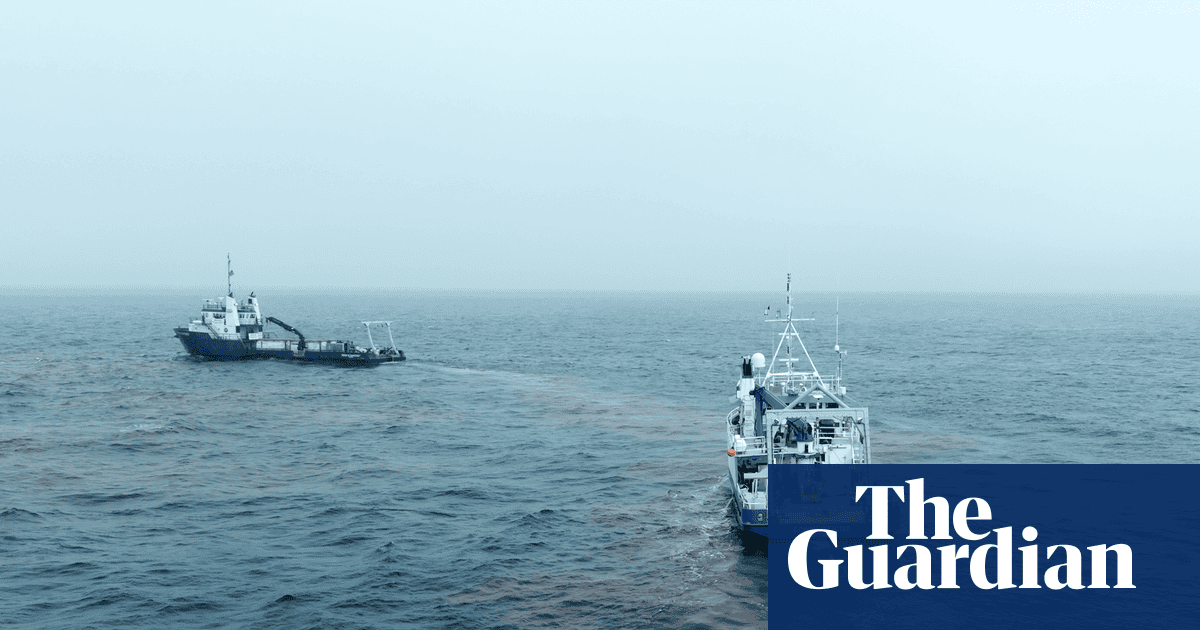
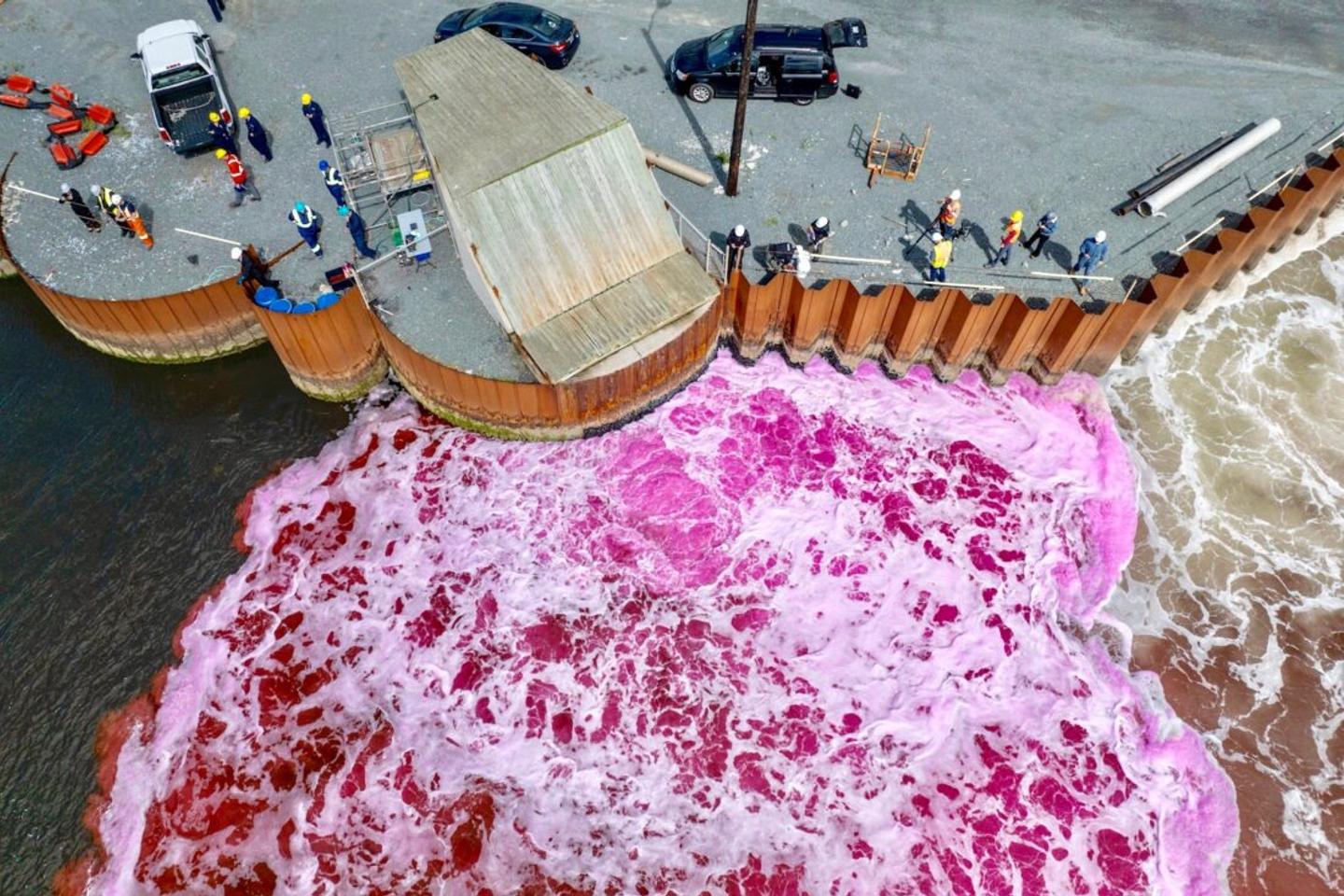
The first trial to absorb atmospheric carbon dioxide by adding crushed olivine to the ocean had no adverse effects on the seafloor ecosystem in its first year.
While the results of the trial in New York state are promising for this carbon-removal technique, researchers warn they may not have captured all potential negative impacts.
The addition of olivine to the ocean should still be carefully regulated, “but there might be ways that it could work and have a minimal effect”, says Emilia Jankowska at the non-profit group Hourglass Climate, who led the study.
The United Nations climate body has said the world will need carbon removal methods, which range from planting trees to filtering out CO2 from the air with giant machines, to reach net-zero greenhouse gas emissions. As emissions continue to rise and the goal of limiting global warming to 1.5°C above preindustrial levels slips out of reach, many hope these technologies could someday help cool the planet back down.