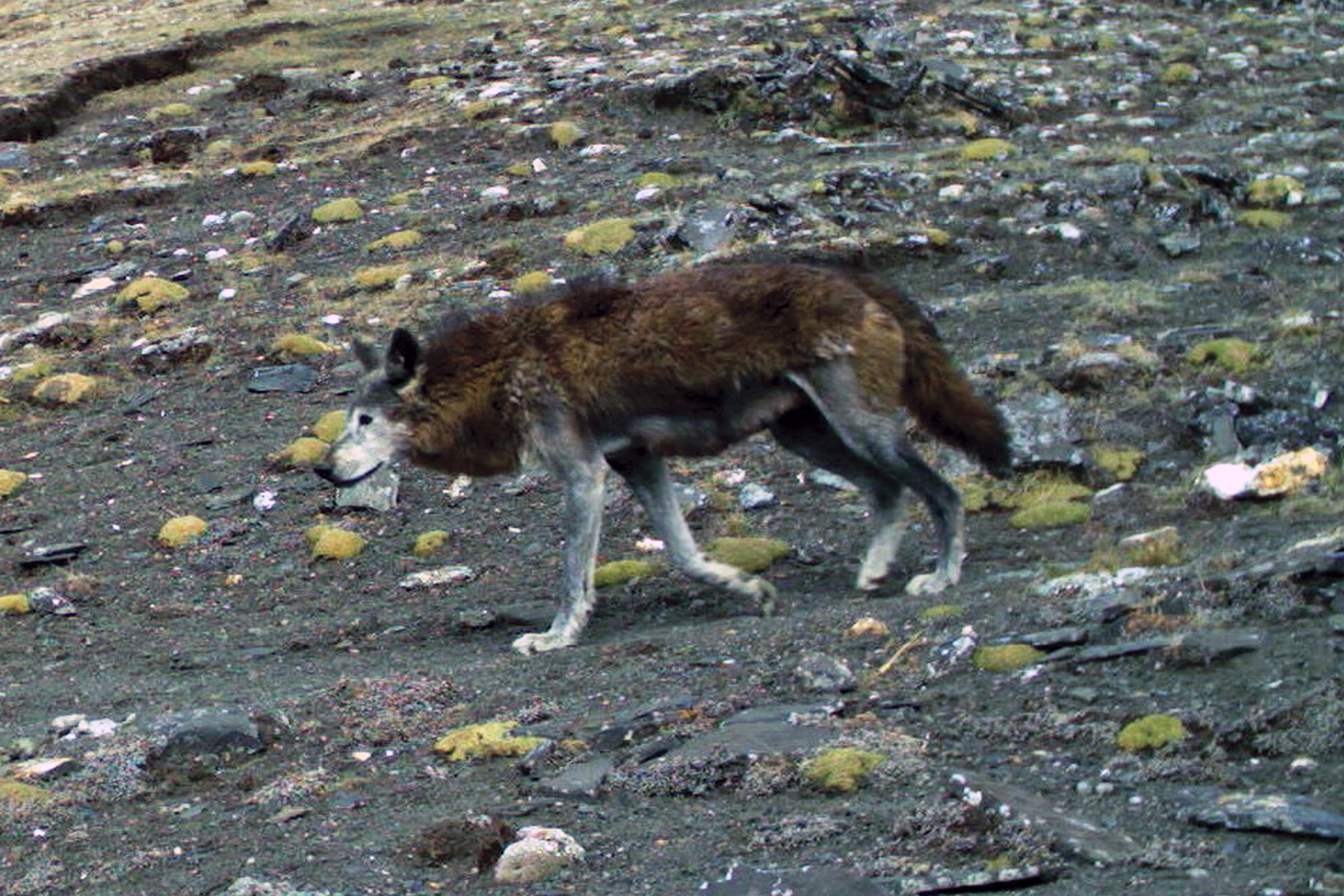
The hybrid known as khipshang is smaller than a wolf but bigger than a dogMorup Namgail
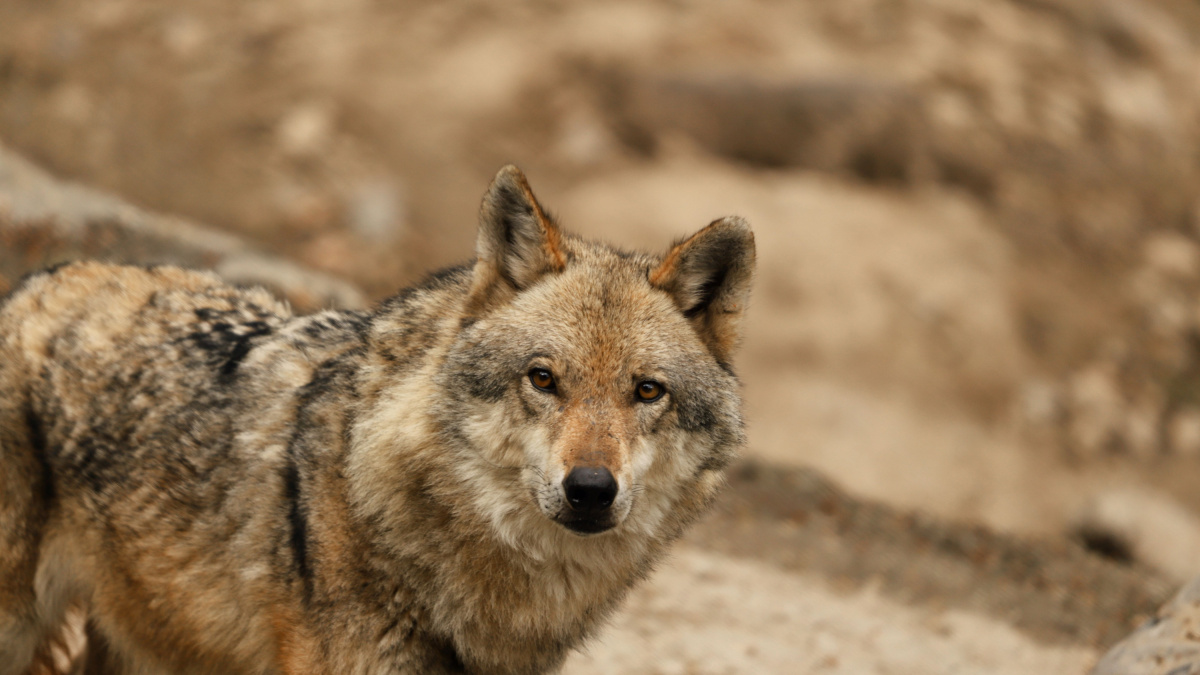
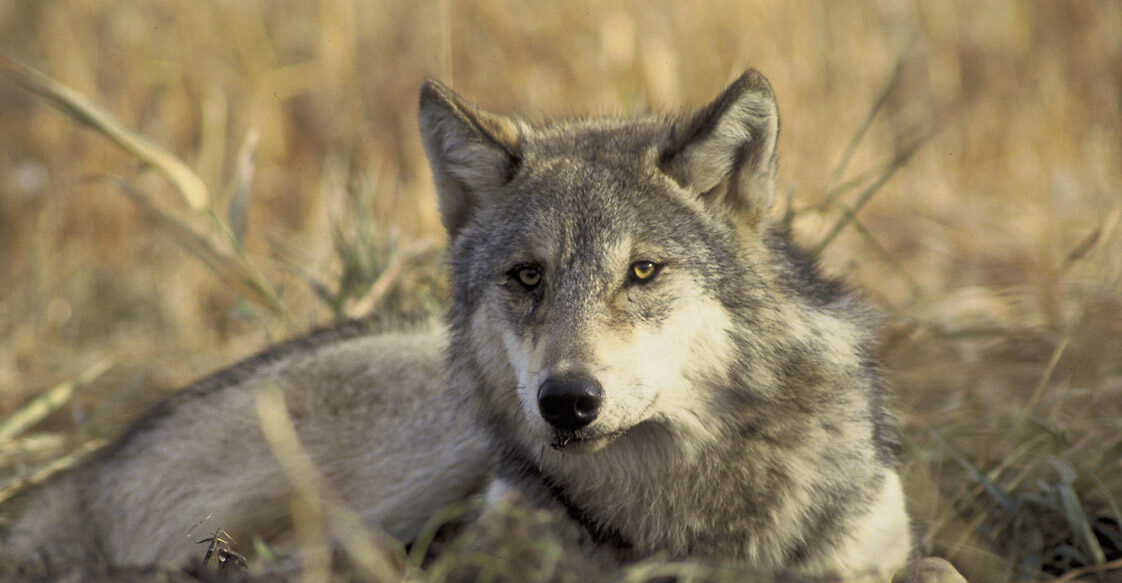
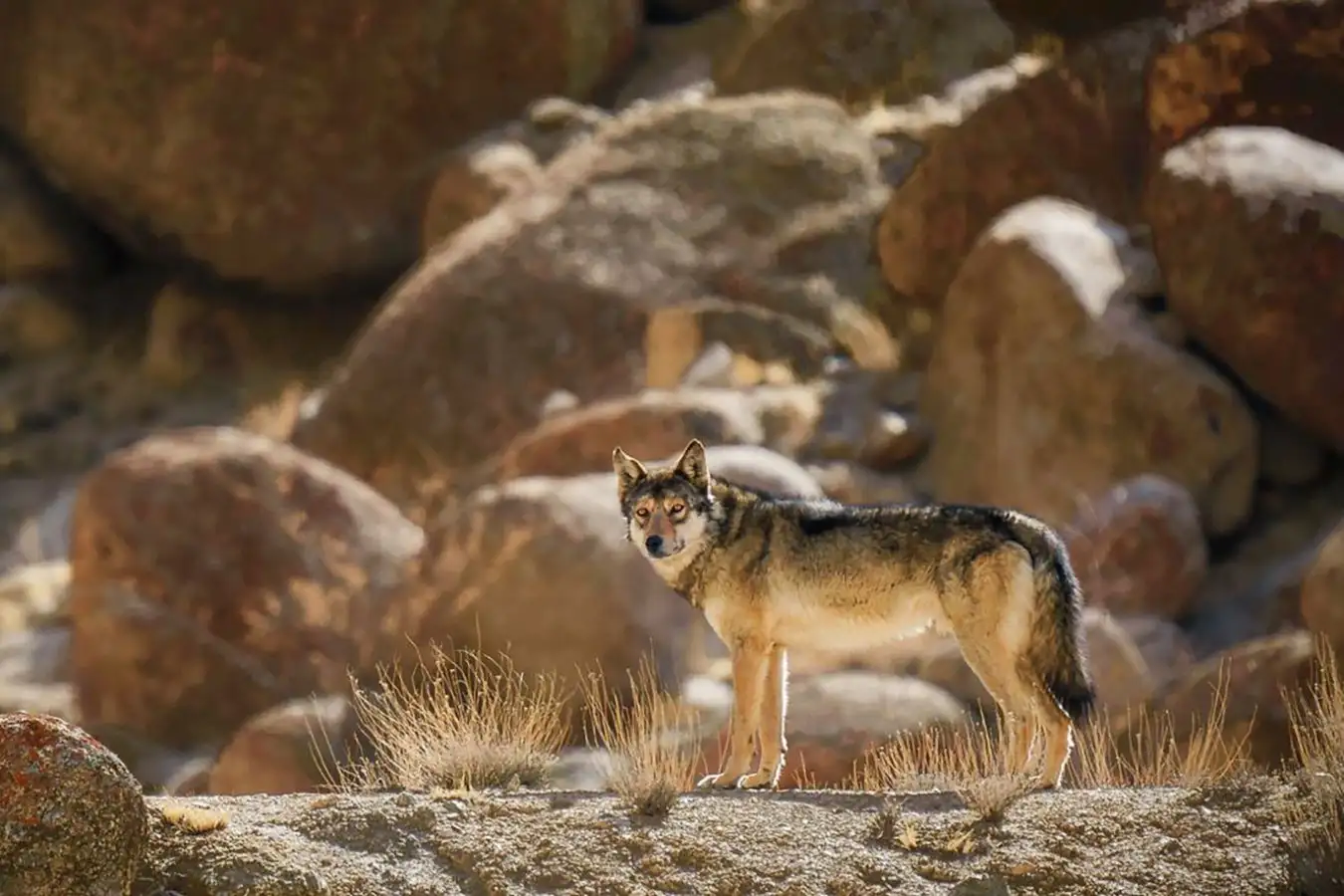
There’s no doubt. The greyish coat, the effortless trot over soft snow, the way it stops, stalks, then strikes, picking off a marmot and ending it with one bite: it’s a wolf.
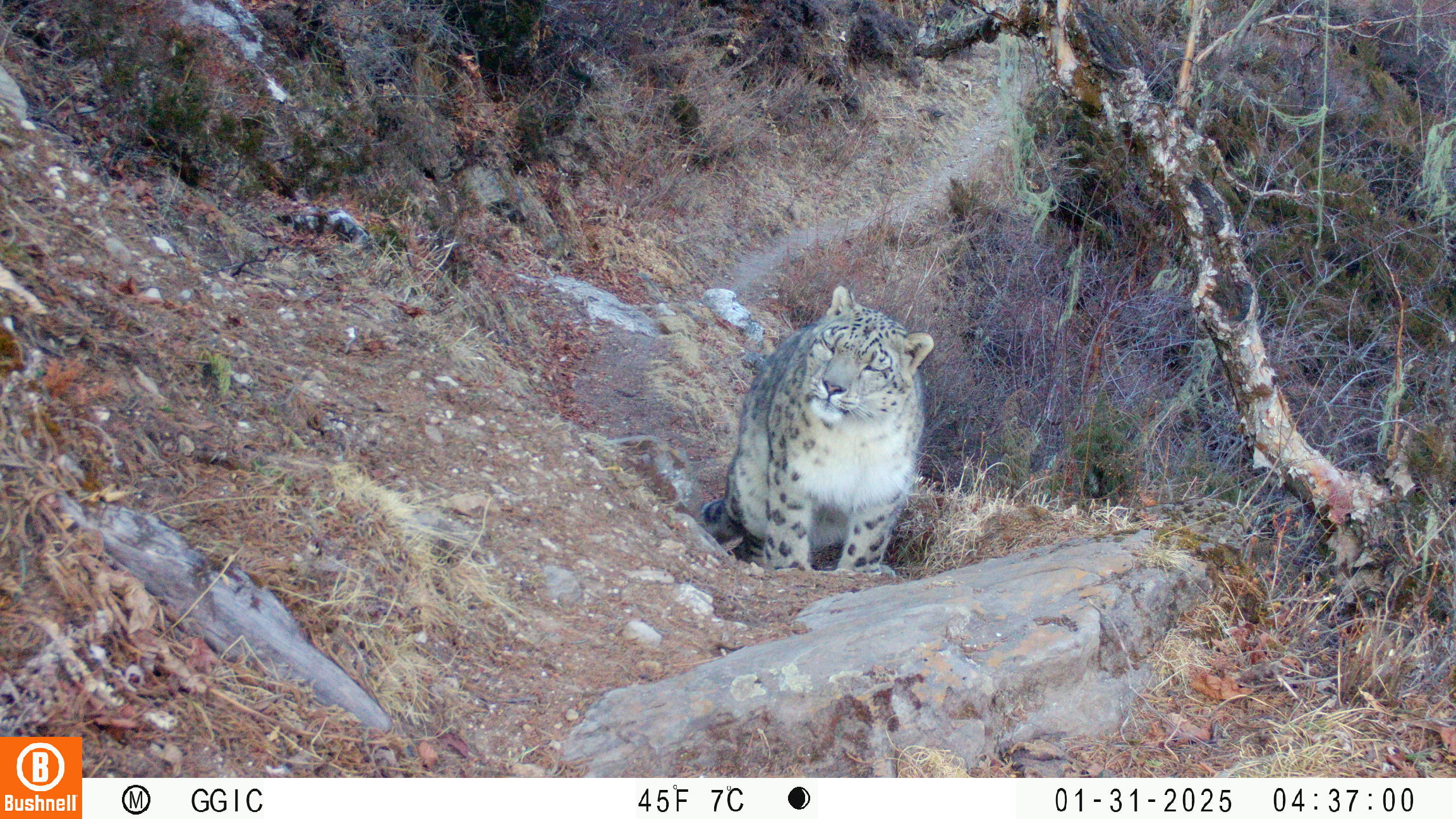
That’s what I’m watching at nearly 5000 metres of altitude here in the Indian-administered part of Ladakh, a region in the Himalayas. Life in the heights is harsh, but these wolves are among a cast of mammals making a living, along with snow leopards, Himalayan brown bears and Tibetan foxes.
Himalayan wolves are well adapted to the low oxygen and other harsh conditions found at altitude, and are believed to be the earliest lineage of the species (Canis lupus). Watching this one make quick work of the marmot as a blue spring day turns grey, it is obvious they are survivors, but their future is in jeopardy. These mountains are warming at double the global average rate. Mix in rapid urbanisation, trash, pollution, plus wary farmers and herders, and it is easy to see the threats.
Now there’s a new one: feral dogs. There are as many as 25,000 dogs in Ladakh compared with just a few hundred wolves. In the past decade, these dogs – pets and strays that form packs and take to the mountains where they hunt the same prey as their wilder relatives – have begun breeding with wolves and creating a new hybrid animal.