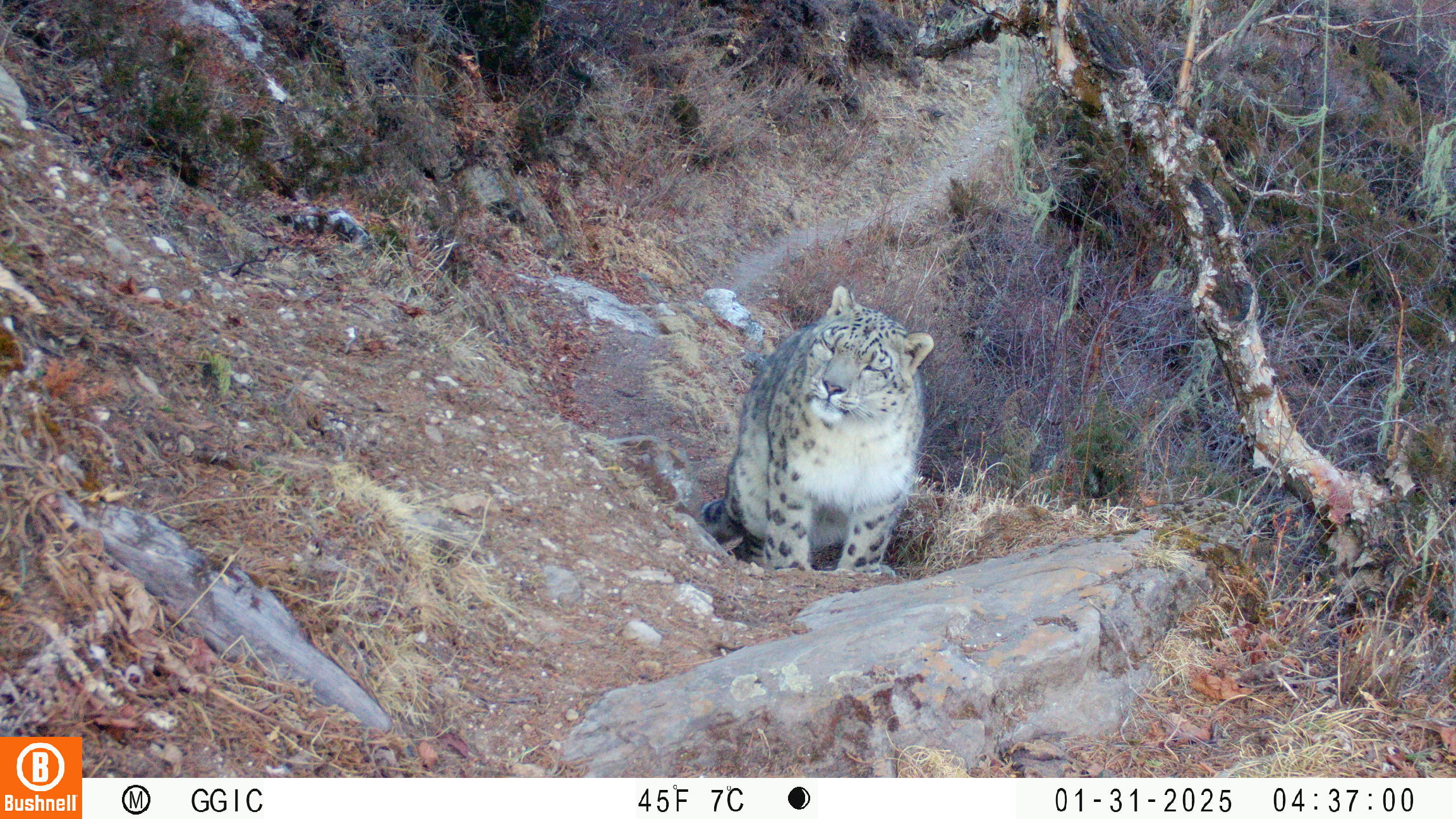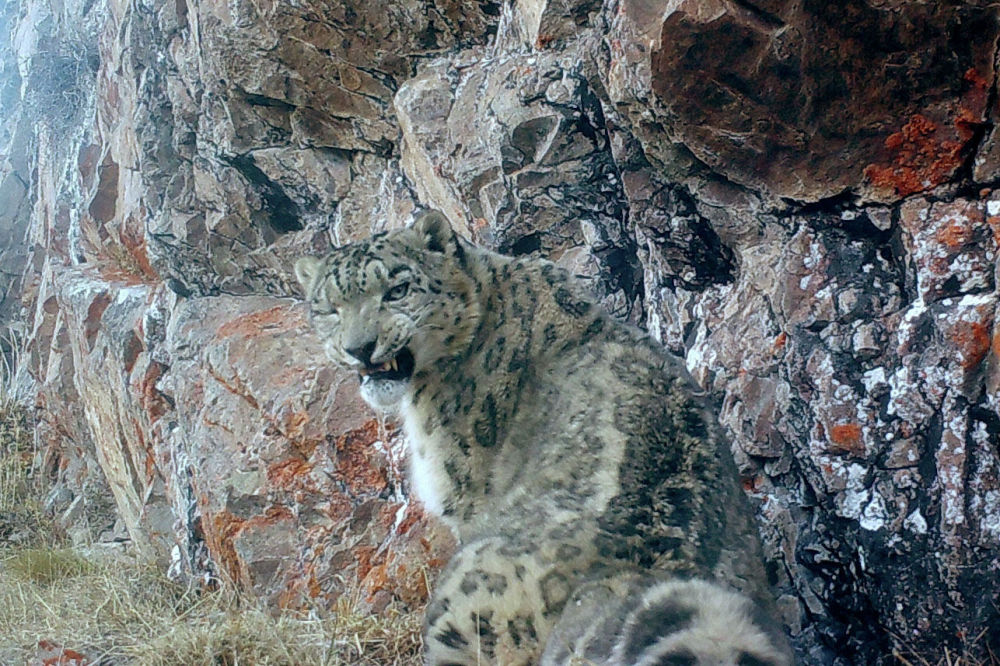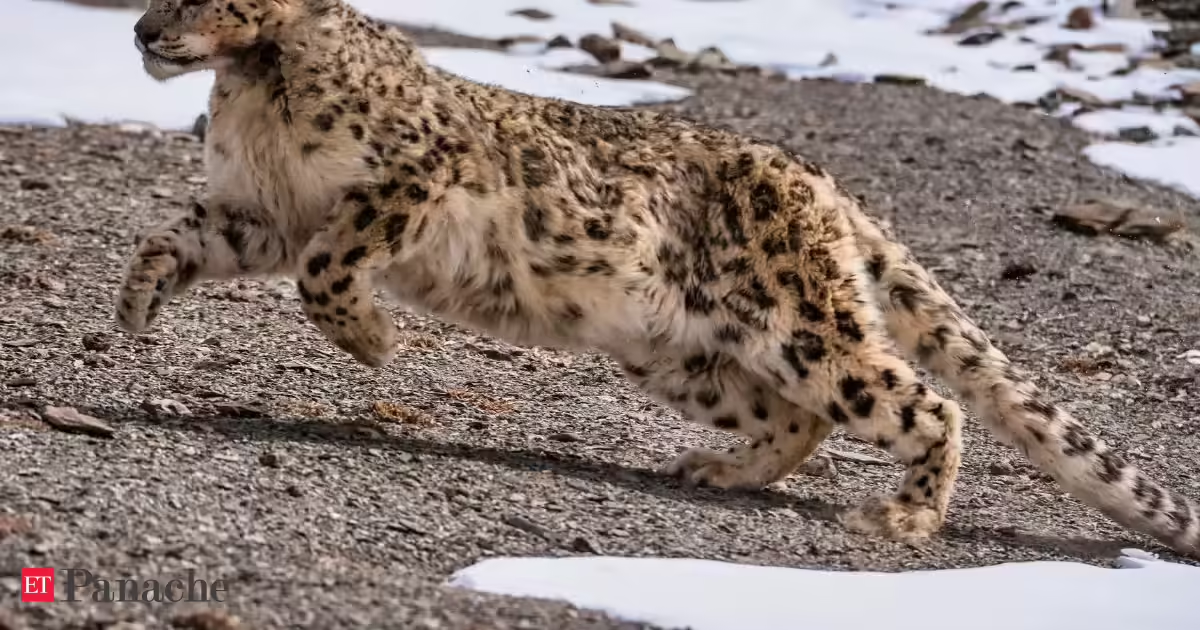
A dramatic wildlife encounter captured on camera in the Himalayas is drawing attention for an unexpected reason. The video shows one of the world's most elusive predators, a snow leopard, quietly retreating into a cluster of boulders as a pack of dogs approaches. At first glance, it appears to be a simple standoff between wild animals. But according to a senior Uttarakhand forest official, the footage reveals a much larger environmental problem that begins far away from the mountains.Dr PM Dhakate, Chief Conservator of Forests and Special Secretary to the Chief Minister for Panchayati Raj and Minority Welfare in the Government of Uttarakhand, recently shared the video on social media. The footage, credited to Amish Patel, shows a snow leopard carefully moving into rocky terrain to avoid an encounter with a group of dogs. While many viewers may wonder why a powerful predator would choose to retreat, Dr Dhakate explained that the animal's decision was a matter of survival.According to him, a snow leopard lives and hunts alone. Unlike animals that operate in packs, a solitary predator cannot afford even a minor injury. A wound that might appear insignificant could prevent it from hunting effectively, ultimately leading to starvation. From that perspective, avoiding unnecessary conflict is not a sign of weakness. It is a calculated survival strategy.— paragenetics (@paragenetics) However, Dr Dhakate pointed out that the encounter itself is not entirely natural. He explained that the root of the issue lies in the way humans manage waste. According to his observations, unmanaged garbage dumps in valleys and human settlements create an abundant and continuous food source for stray dogs. As a result, dog populations grow beyond what the local ecosystem would naturally support.Over time, these expanding populations begin moving into higher-altitude habitats that were once largely dominated by native wildlife. This creates increasing interactions between stray dogs and wild species such as snow leopards. The video, therefore, represents more than a simple wildlife sighting. It highlights the cascading consequences of human activity on fragile mountain ecosystems.Dr Dhakate noted that the snow leopard's retreat demonstrates intelligent risk management. The animal assesses the situation, recognises the danger of a potential injury and chooses safety over confrontation. Yet the growing presence of dog packs in these remote landscapes raises concerns about the long-term impact on wildlife.As stray dogs spread into higher elevations, they can compete with native predators, disturb local species and alter ecological balances that have existed for generations. The incident also underscores the often-overlooked connection between waste management and wildlife conservation. Discarded food and poorly managed garbage may seem like local civic issues, but their effects can travel far beyond towns and villages. What begins as waste accumulation in lower valleys can eventually influence animal behaviour and survival in some of the Himalayas' most remote regions.Through the video, Dr Dhakate highlighted how decisions made by people at lower elevations can directly affect life in high-altitude ecosystems. The encounter between the snow leopard and the dogs serves as a reminder that environmental challenges are rarely isolated. The survival of species in mountain habitats can be shaped by everyday human actions taking place many kilometres away.
Snow leopard retreats from a pack of dogs. Uttarakhand forest officer says the real problem is not the dogs but...
A rare snow leopard video reveals a growing conservation issue. Stray dogs, fueled by unmanaged waste in lower valleys, are venturing into high-altitude Himalayan habitats. This forces elusive predators like the snow leopard to retreat, demonstrating the far-reaching impact of human waste management on fragile mountain ecosystems and wildlife survival.
523 words~2 min read