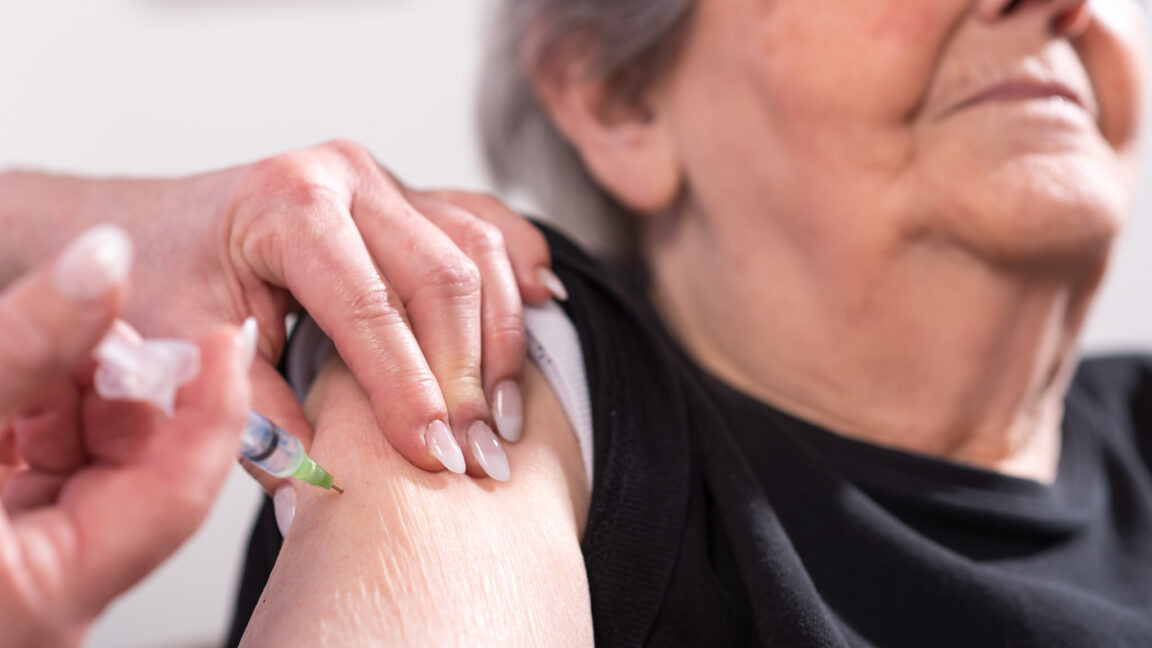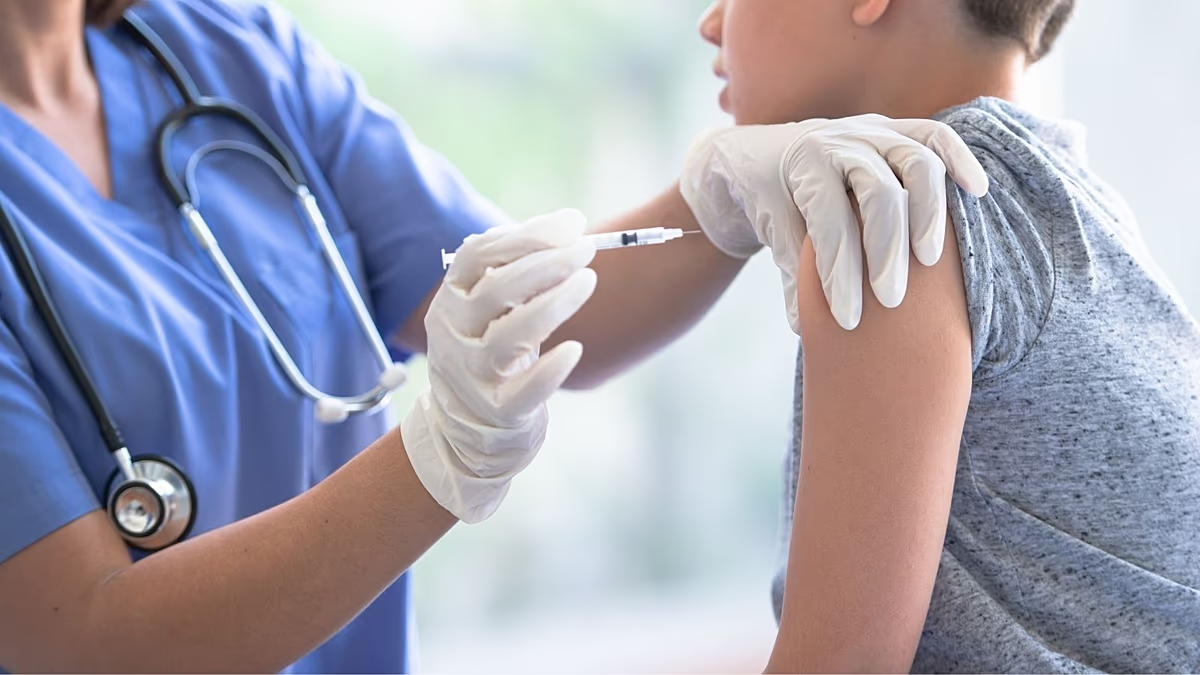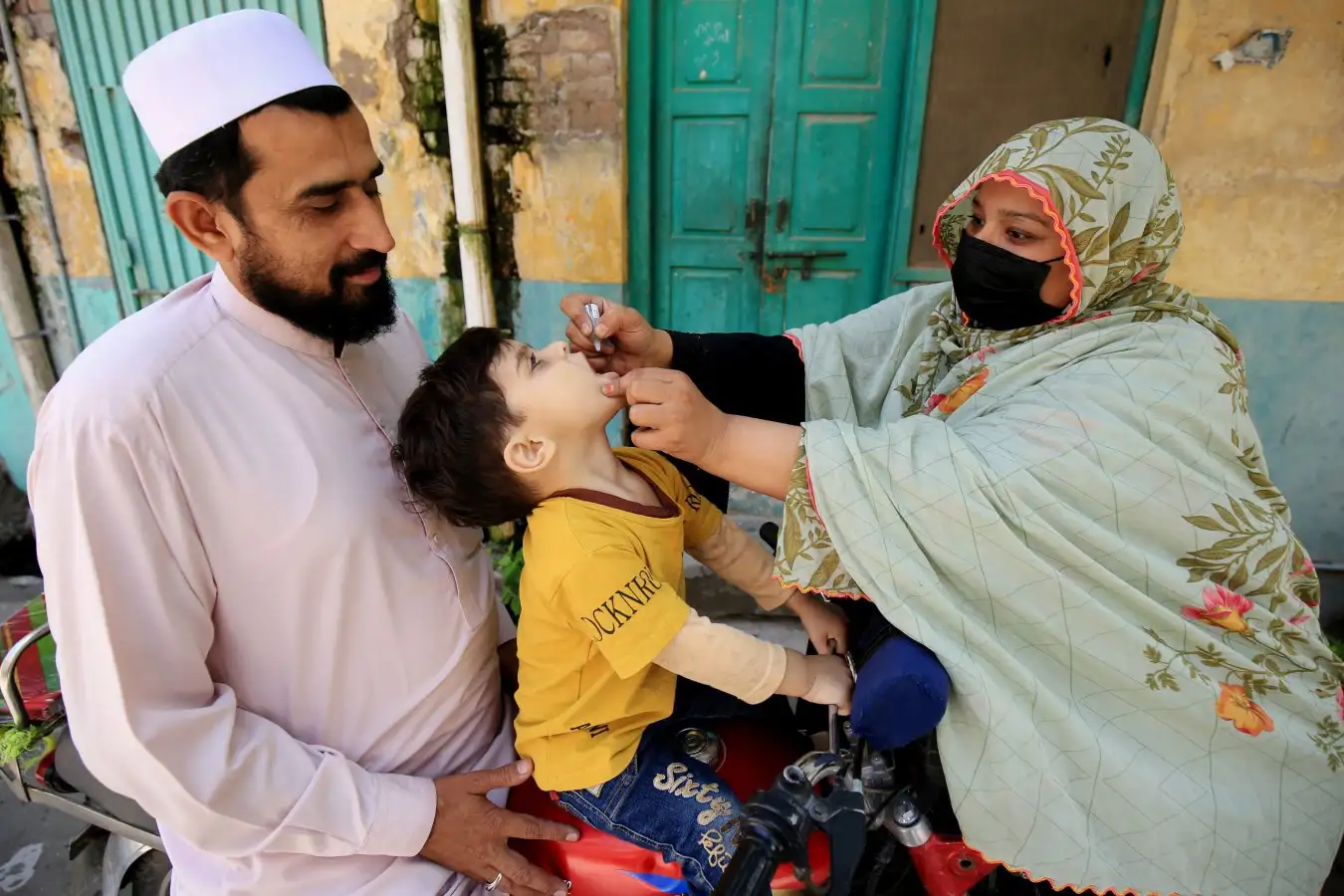
The time of year that a child gets vaccinated against polio could affect the strength of their immune responseBILAWAL ARBAB/EPA-EFE/Shutterstok
Many people have the sense that their health ebbs and flows with the seasons. Now, research suggests that our response to vaccines – and our physiology more generally – varies across the year.
Although humans aren’t usually considered seasonal creatures, many plants and animals follow biological calendars that influence when they flower, breed, migrate or hibernate. Over the past decade, a growing number of studies have indicated that humans, too, may experience subtle seasonal shifts in immune activity, hormone levels and gene expression.
“The really exciting finding of this paper is not about vaccination – it is that human immune function [is] different across the seasons,” says Cathy Wyse at the University of Edinburgh, UK, who wasn’t involved in the study. “This suggests that humans might have inbuilt seasonal timing, as is seen in animals, birds and across biology.”
With research suggesting that our response to influenza vaccines follows 24-hour circadian patterns, Laura Barrero Guevara at New York University and her colleagues were inspired to investigate the seasonality of vaccine outcomes more broadly.