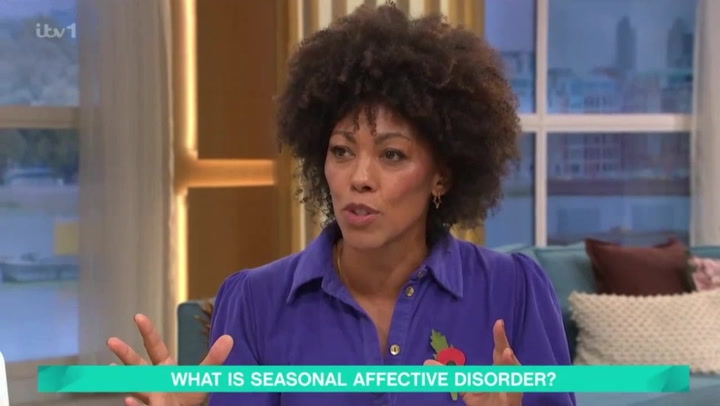
Researchers tracking large cohorts are discovering the effects of sleep, light and therapy on people impacted by winter’s arrival
F
or some, the darkening days of autumn bring more than the annual ritual of reviving woolly jumpers and turning on the central heating. As the evenings close in and the mornings grow murky, energy ebbs and a heavy sadness settles in.
Although seasonal affective disorder (Sad) was only formally recognised by psychiatrists in the 1980s, the link between the seasons, mood and vitality has long been observed.
The Yellow Emperor’s Classic of Medicine – a Chinese text from roughly 300BC – described how the seasons affect all living things. It advised that in winter, one should “retire early and get up with the sunrise”, keeping “desires and mental activity quiet and subdued, as if keeping a happy secret”.