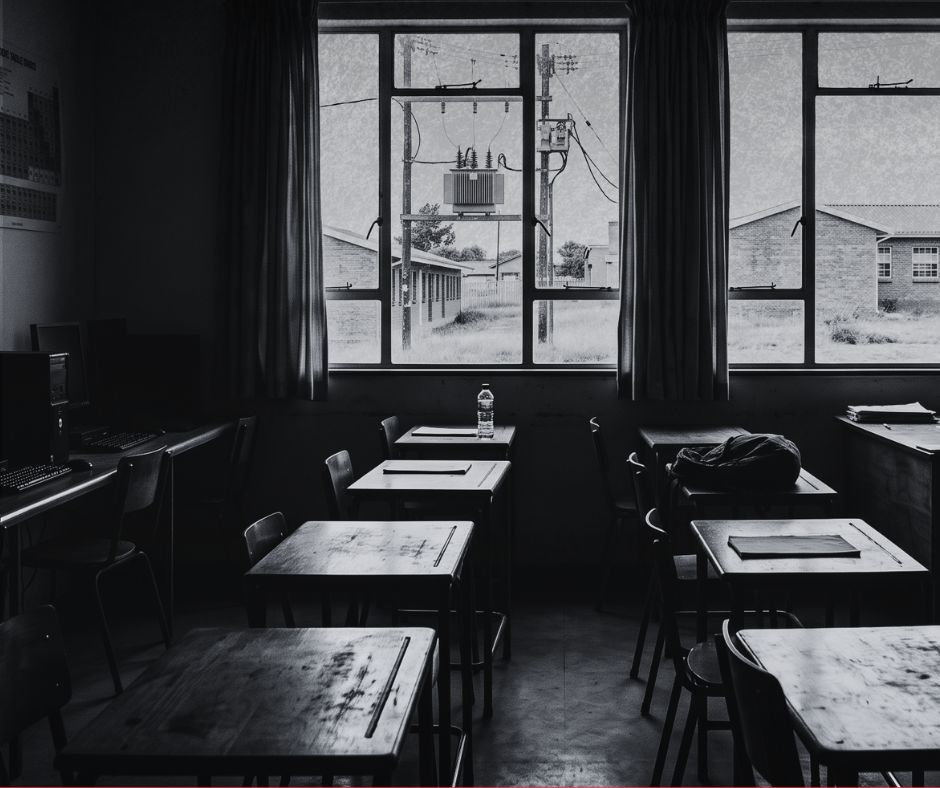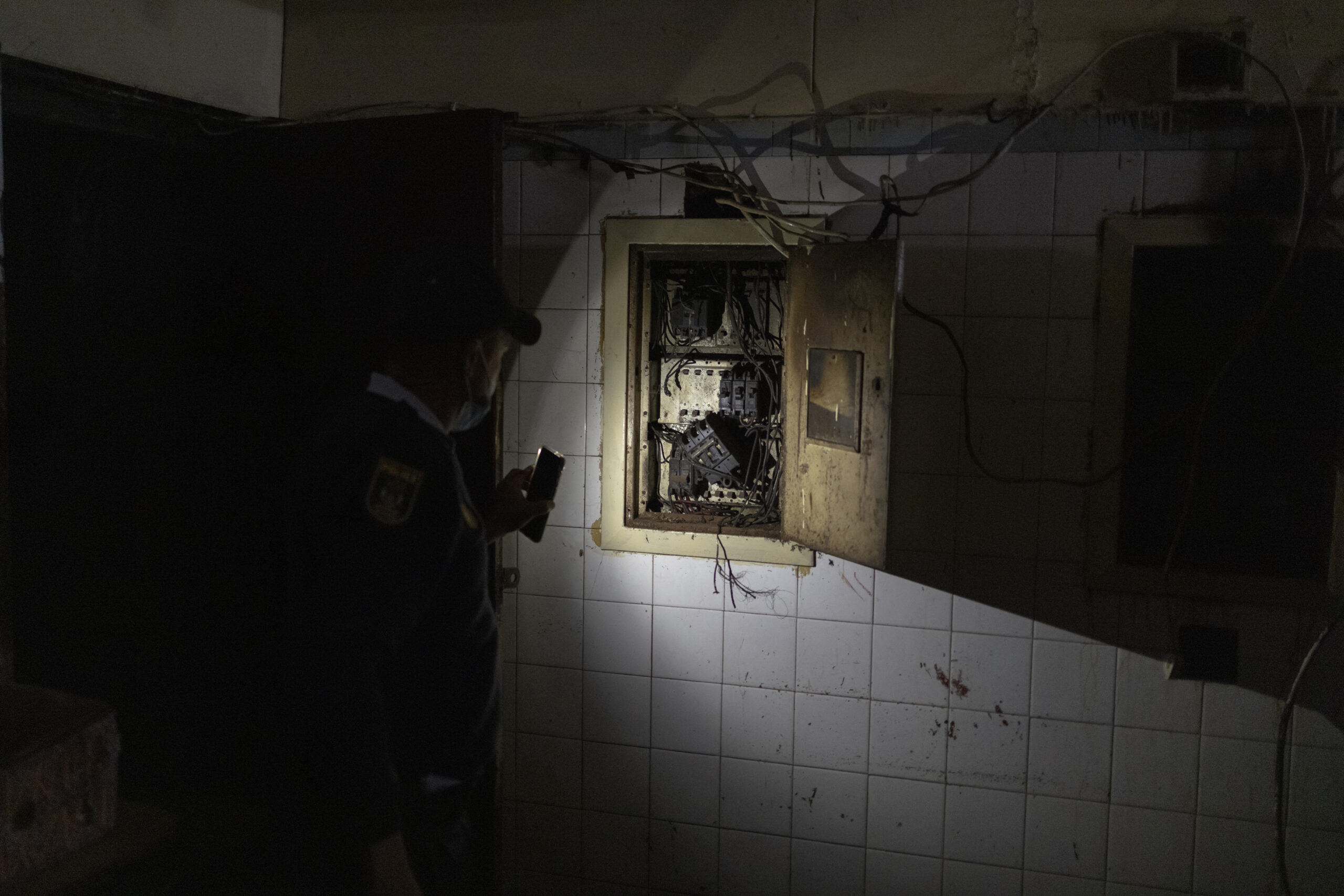
After enduring several tortuous years of massive disruption to the power supply, South Africa appears to have finally turned a corner, with the electricity network demonstrating much greater stability. But the country now turns to another pervasive electricity challenge: theft.
A year has now passed since the last load shedding on 15 May 2025. These semi-planned outages, which could extend across more than 12 hours each day, were initiated by troubled utility Eskom during periods where electricity demand was expected to outweigh supply in order to avoid a total collapse of the energy grid.
Eskom announced on 22 April that supply is set to remain stable throughout the 2026 winter season – a huge improvement from 205 days of load shedding in 2022 and 335 days in 2023. Eskom claims to have maintained a consistent energy supply of 98.9% in the last financial year, compared to 9% two years ago.
“Eskom, and in turn South Africa, now has a stable electricity platform to operate and grow from,” said the utility’s chief executive Dan Marokane in a statement.
The improvement in power availability is mainly the result of much better operational performance at the country’s fleet of coal-fired power stations, which supply more than 70% of grid electricity. The rollout of major wind and solar projects has also helped, along with reduced grid demand as more consumers switch to private solutions.