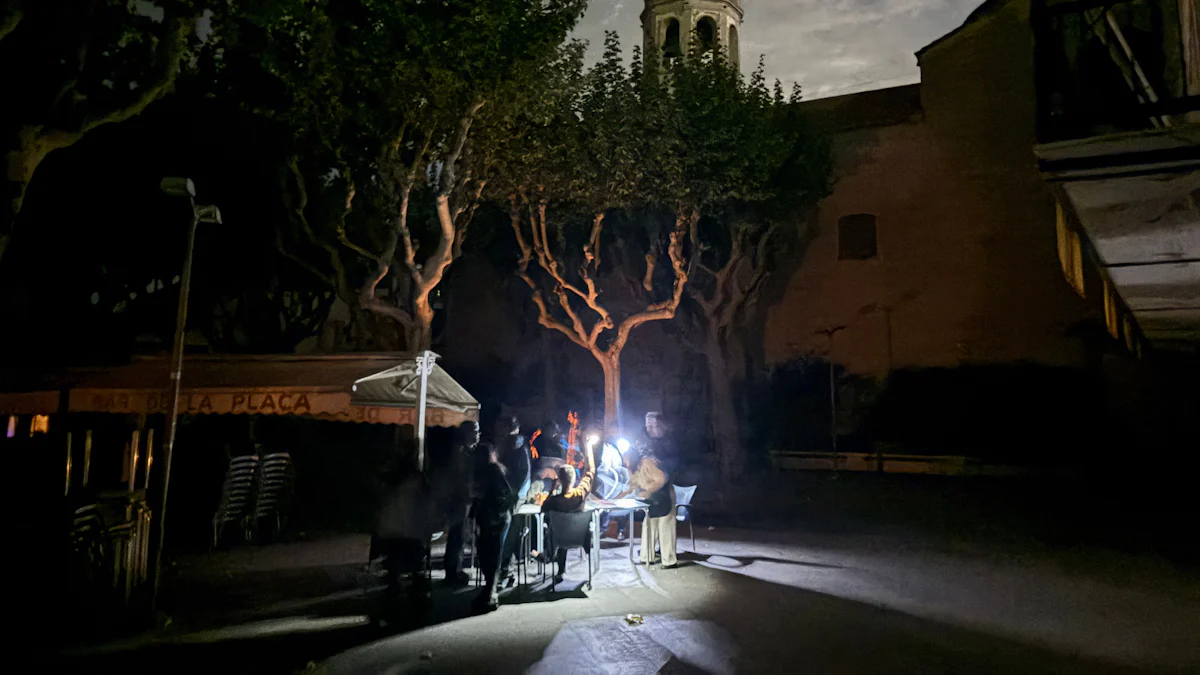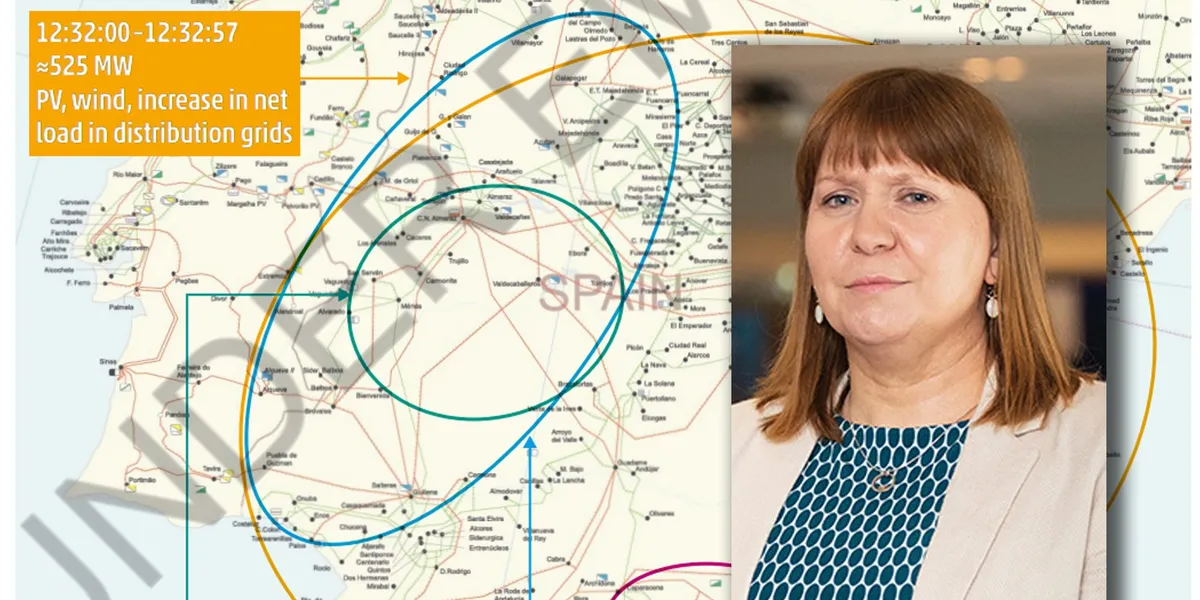
On April 28, 2025, the power grid serving continental Spain and Portugal went down, causing gridlock in cities, cutting communications networks, and stranding people on trains, in airports, and in elevators all across the Iberian peninsula and briefly in a small area in southwest France close to the Spanish border. The unprecedented, massive blackout lasted as long as 12 hours in some areas, including in the capital city, Madrid. Not surprisingly, placing blame for the outage was rapid. Quick reactions pointed to cyberattack, sabotage, and natural phenomena such as solar flares.
But such theories were quickly laid to rest, and a panel of experts was formed to determine exactly what caused the blackout. After a year following the outage — and after much analysis by many experts — there isn’t a simple answer: In short, no one technology was to blame. While solar and wind generation was high, experts agree that the renewables weren’t at fault.
In this Q&A, Pablo Duenas-Martinez, a research scientist at the MIT Energy Initiative and an assistant professor at Universidad Pontificia Comillas in Madrid, provides an update.
Q: How does a proper, well-functioning power grid behave, and what does the system operator do to help?