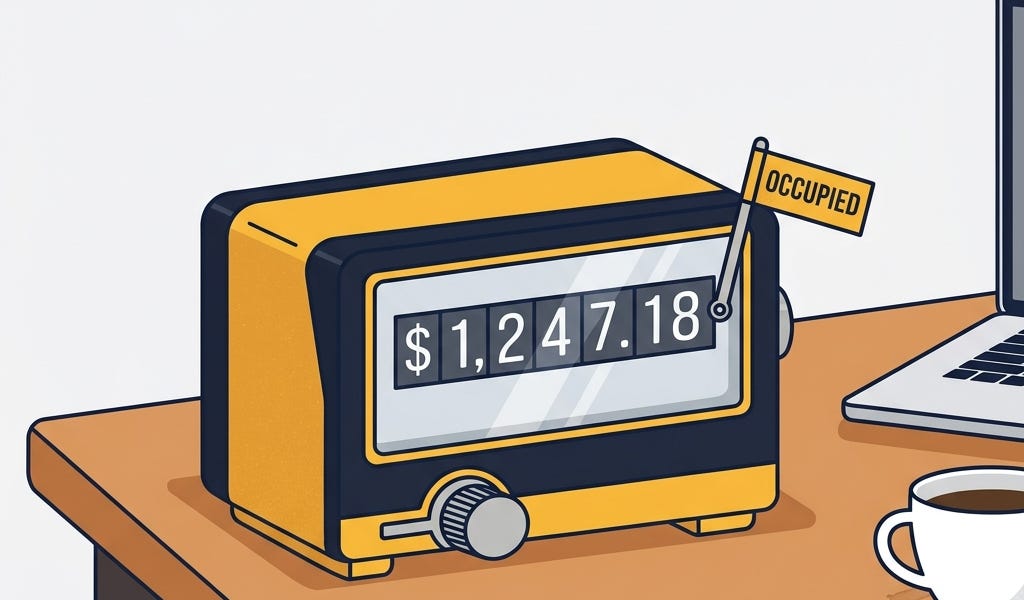
For two decades, SaaS pricing pulled off a beautiful trick: it turned work into seats. Ten reps in the CRM meant ten seats. Fifty reps in the help desk meant fifty seats. The model was legible because the human was the unit of software value. A person logged in, clicked, updated records, sent messages, and the vendor charged for that person.That model just cracked.Salesforce booked $800 million in agent revenue last quarter, up from $540 million the quarter before. Its CRO Miguel Milano told analysts, “We have found the formula to monetize AI.” Microsoft added a separate $15-per-user license for agent governance, sitting alongside the $30 Copilot seat. SAP put hard limits on which agents are even allowed to call its APIs. ServiceNow, Workday, Zendesk, HubSpot, and Atlassian each added their own meter under their own name.Your next SaaS renewal will price two things: who logs in, and what work moves through the system. If you walk in counting seats, you’ll sign for the headcount you already have and pay for the agent work on top. Once usage is embedded in customer workflows, support deflection numbers, and the finance close, the negotiating position flips. The vendor knows the work has moved. You know turning it off would hurt.Here’s what’s inside:The eight-vendor pattern. What each one calls its agent meter, and which one your renewal will hit first.The hybrid model most companies will land on. Why Microsoft’s three-layer stack is probably the template.Fair license vs. rent-seeking. Nine traits that separate a defensible meter from a vendor capturing the AI efficiency.The negotiation list. What to ask at renewal, and the one question most vendors will try to dodge.Two prompts to run before you renew. A system touch map for builders before procurement reviews it for them, and a vendor-specific question sequence for CFOs walking into renewal.But first, the seat stays — even as the meter changes. Then we’ll look at how each vendor is pricing the work, and what to ask before you sign.
The 2 prompts I'd run before any 2026 SaaS renewal (especially if you're deploying agents)
Watch now | The seat is not dead. It is being wrapped in a meter for delegated work.
332 words~2 min read