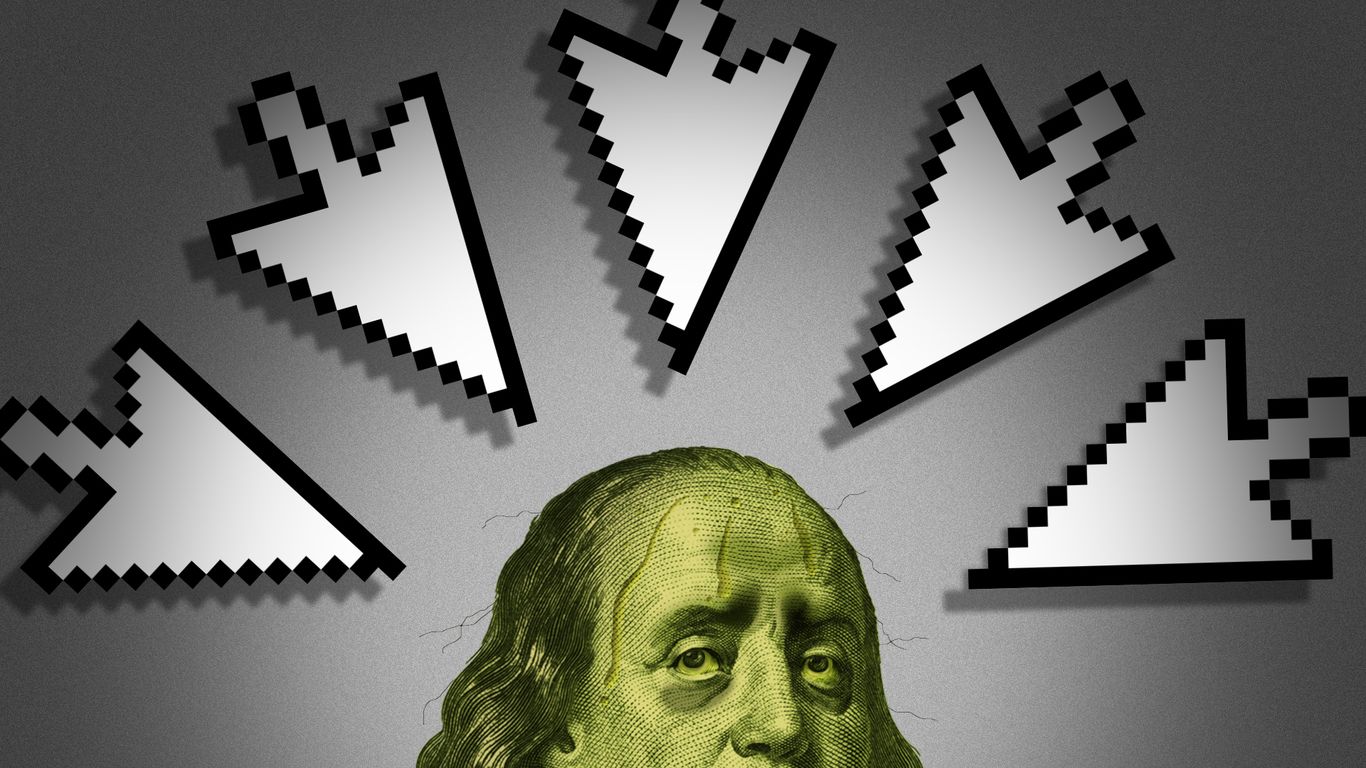
Jim VandeHeiAdd Axios as your preferred source tosee more of our stories on Google.Illustration: Gabriella Turrisi/AxiosYou soon won't just be paying for software — you'll also foot the bill for the AI thinking your AI-powered software does.It's worth 60 seconds to understand what that actually means because it will start showing up in your finance reviews.Why it matters: Per-seat pricing was predictable, but it's about to become a relic. In the AI era, costs will increasingly be based on how many tokens you burn through.Tokens, at their simplest: the chunk of text AI reads or writes. Verbose AI uses more tokens, making it more expensive.Three things to familiarize yourself with ASAP to control verbosity and cost:Routing: Ask easier questions to cheaper AI models (open-source models, lighter versions of Claude and ChatGPT), harder ones and more complex tasks to advanced frontier models (Claude Opus 4.7, GPT-5.5 Thinking or Pro).Caching: Claude and ChatGPT can be configured to store repeated context — like system prompts or documents — server-side so you only pay full price once and a fraction of the cost on every subsequent call.Compressing: Every AI request drags the full conversation history along with it. Strip each request down to its shortest form before sending, paying only for what's essential.The bottom line: Unless you're encouraging "tokenmaxxing," your AI line item might outgrow every other software bill on your P&L if you're not careful.📈 If you're a CEO or on a CEO's team: Ask to join Jim's new weekly Axios C-Suite newsletter.
Axios C-Suite: Why the token is your future cost-driver
Per-seat pricing was predictable, but it's about to become a relic.
250 words~1 min read