A drug designed to eliminate worn out, aging cells may help older skin recover from injury much faster, according to research published in Aging (Aging-US). The work, titled "Topical ABT-263 treatment reduces aged skin senescence and improves subsequent wound healing," suggests that targeting "zombie cells" in the skin could one day improve healing after surgery, injury, or chronic wounds in older adults.
The research team included Maria Shvedova, Rex Jeya Rajkumar Samdavid Thanapaul, Joy Ha, Jannat Dhillon, Grace H. Shin, Jack Crouch, Adam C. Gower, Sami Gritli, and Daniel S. Roh from Boston University Aram V. Chobanian and Edward Avedisian School of Medicine.
Clearing Out Aging Cells
As skin gets older, damaged cells can accumulate instead of dying off. These cells, known as senescent cells, no longer work normally, but they remain active enough to interfere with nearby tissue. Over time, they can release inflammatory signals and other molecules that weaken the skin's ability to repair itself.
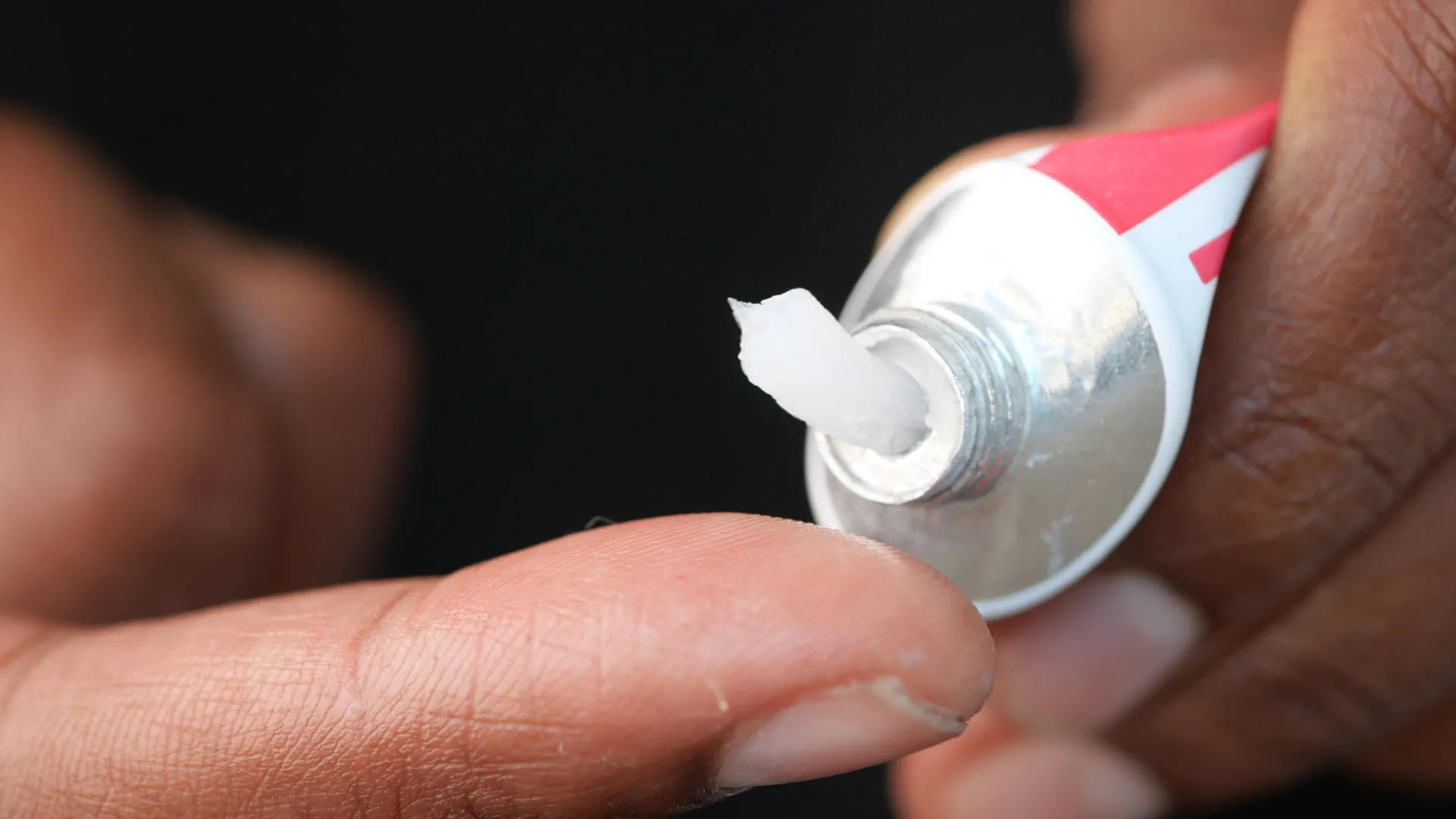
The researchers tested whether ABT-263, a senolytic drug, could reduce this burden when applied directly to aged skin. Senolytic drugs are designed to selectively remove senescent cells, which have been linked to aging, inflammation, and slower tissue repair.