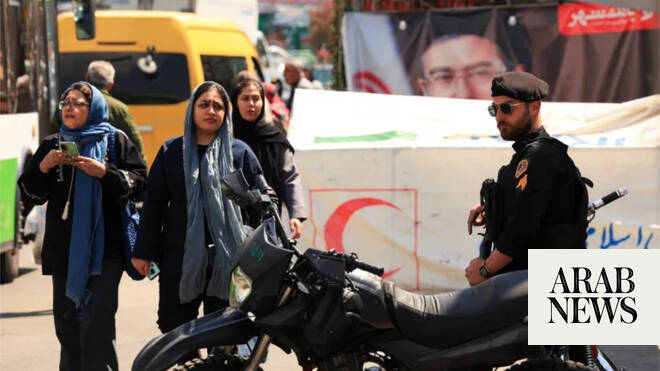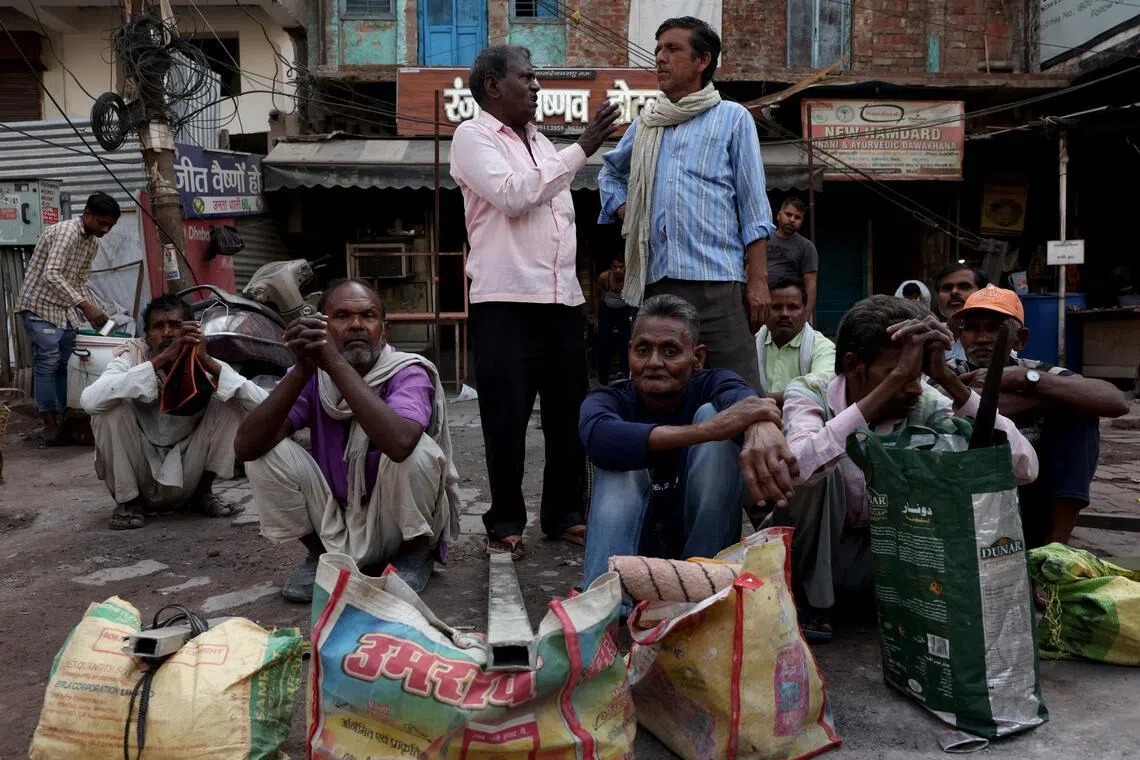
The escalating crisis in the Middle East is emerging as a growing threat to jobs, incomes and working conditions across the global economy, with informal workers, migrant labourers and small businesses expected to bear the heaviest burden, according to a new report by the International Labour Organisation.
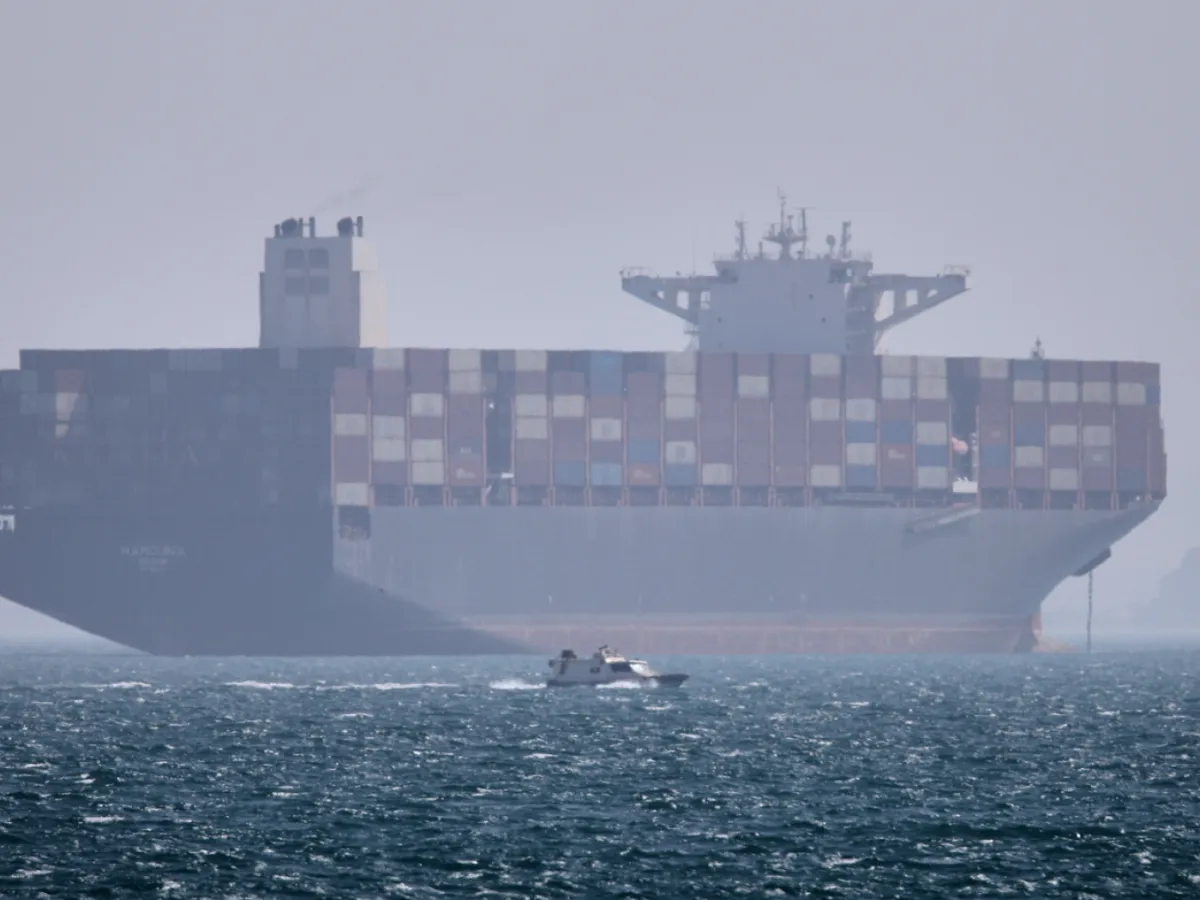
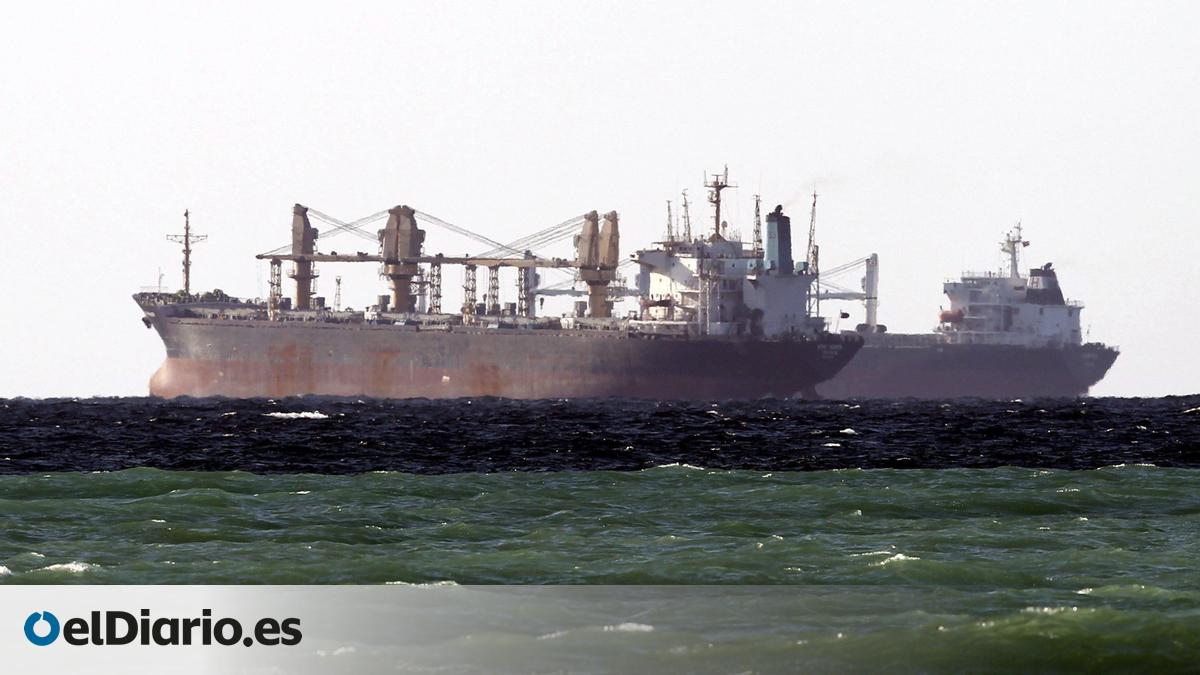
In its latest report, Employment and Social Trends May 2026 Update: Growing Labour Market Risks of the Middle East Crisis, the ILO warned that the economic consequences of the conflict are already spreading far beyond the region through higher energy costs, disrupted transport routes, weaker tourism flows, supply chain pressures and tighter migration conditions.
The United Nations labour agency said the effects are expected to deepen gradually in a global economy already grappling with weak growth, fragile labour markets and widening decent work deficits.
Under an illustrative scenario in which oil prices rise roughly 50 per cent above their early 2026 average, global working hours could decline by 0.5 per cent in 2026 and 1.1 per cent in 2027.
According to the report, this will be equivalent to the loss of about 14 million full-time equivalent jobs next year and 38 million by 2027.