Global energy and trade disruption pushing millions towards poverty
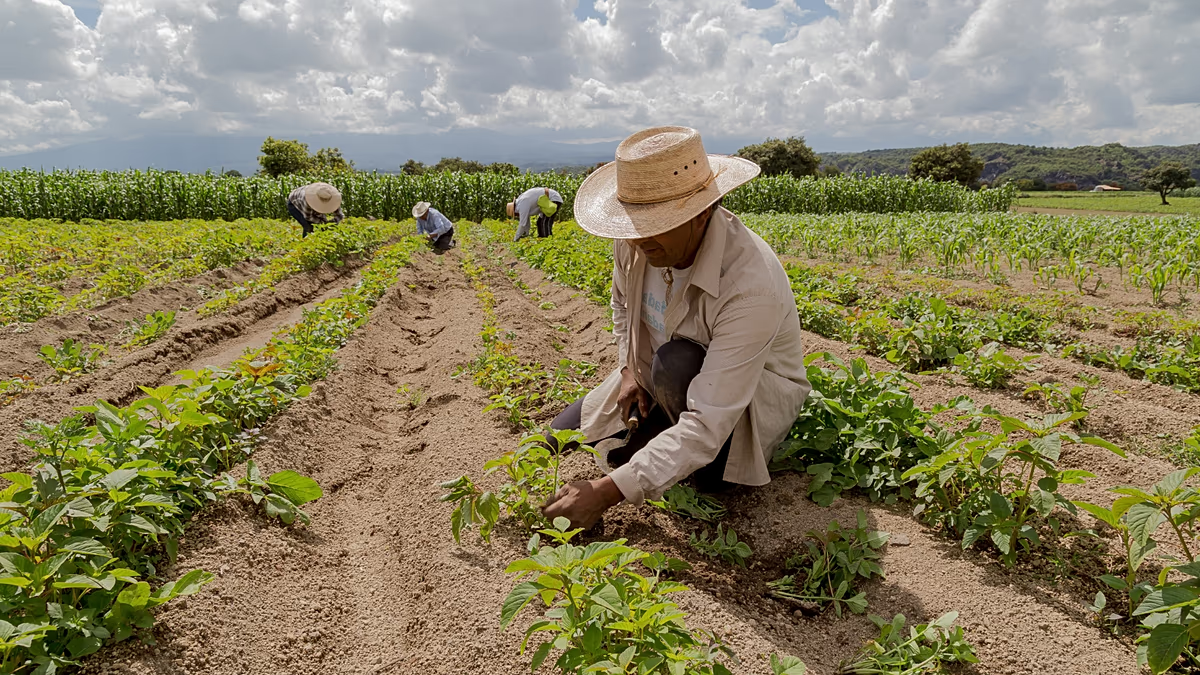
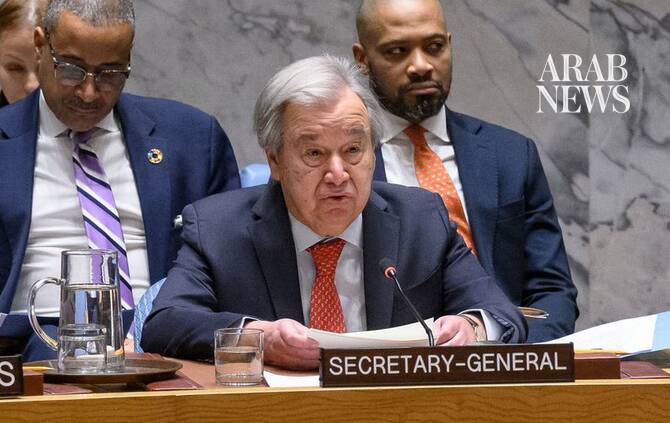
The warnings came during a special meeting of the UN Economic and Social Council (ECOSOC) on Friday focused on safeguarding energy and trade flows amid continuing volatility in global fuel markets, shipping routes and critical supply chains.“This is not only an energy challenge. It is a development challenge. It is a financing challenge,” ECOSOC President Lok Bahadur Thapa told delegates at UN Headquarters in New York.“Above all, it is a test of our collective ability to deliver on the promise of the 2030 Agenda.”Adopted in 2015 by all UN Member States, that blueprint for achieving broad-based sustainable development aims to end poverty, reduce inequality and protect the planet by 2030.Skyrocketing fuel costsRising fuel and transport costs, trade disruptions and tightening financial conditions are intensifying pressures on developing countries, particularly those already burdened by high debt and dependent on imported food and energy.According to UN estimates, global fuel prices are now more than double the 2025 average, while fertilizer prices could remain 15 to 20 per cent higher through the first half of 2026 if disruptions continue. The impacts are already being felt in households around the world through rising food prices and higher living costs.“More than 32 million additional people are at risk of being pushed into poverty globally as a result of the combined shock of rising energy prices, higher food costs and weakening economic growth,” Mr. Thapa said.