Read The Diplomat, Know The Asia-Pacific
Oil disruptions are cascading into fertilizer markets, weakening agriculture and putting South Asia’s food security at risk. We’ve seen this pattern before.
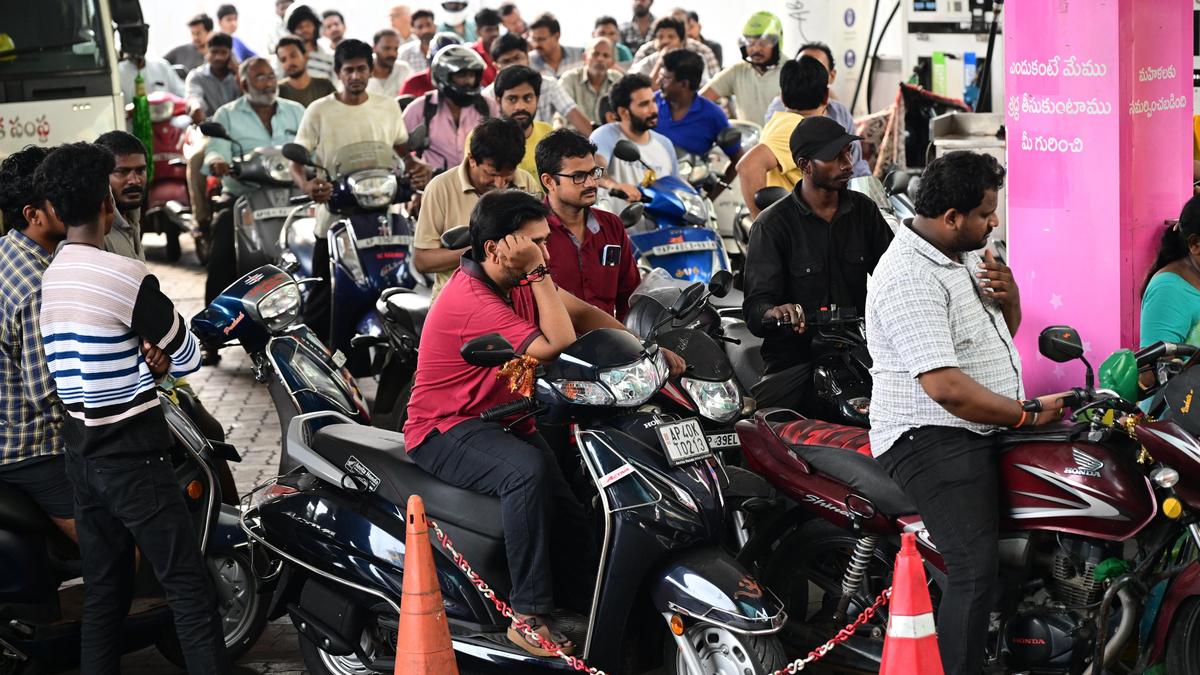
Disrupted oil flows through the Strait of Hormuz may appear, at first glance, to be another episode of energy market instability. But the implications, especially for South Asia, run much deeper. Disruptions in oil supply are not only causing a surge in fuel prices; they are a clear warning of an impending food crisis driven by fertilizer shortages, rising production costs, and increasingly fragile agri-food systems. A similar pattern was evident during the 2007-2008 global crisis, when fertilizer prices nearly tripled, and global food prices surged by more than 50 percent.
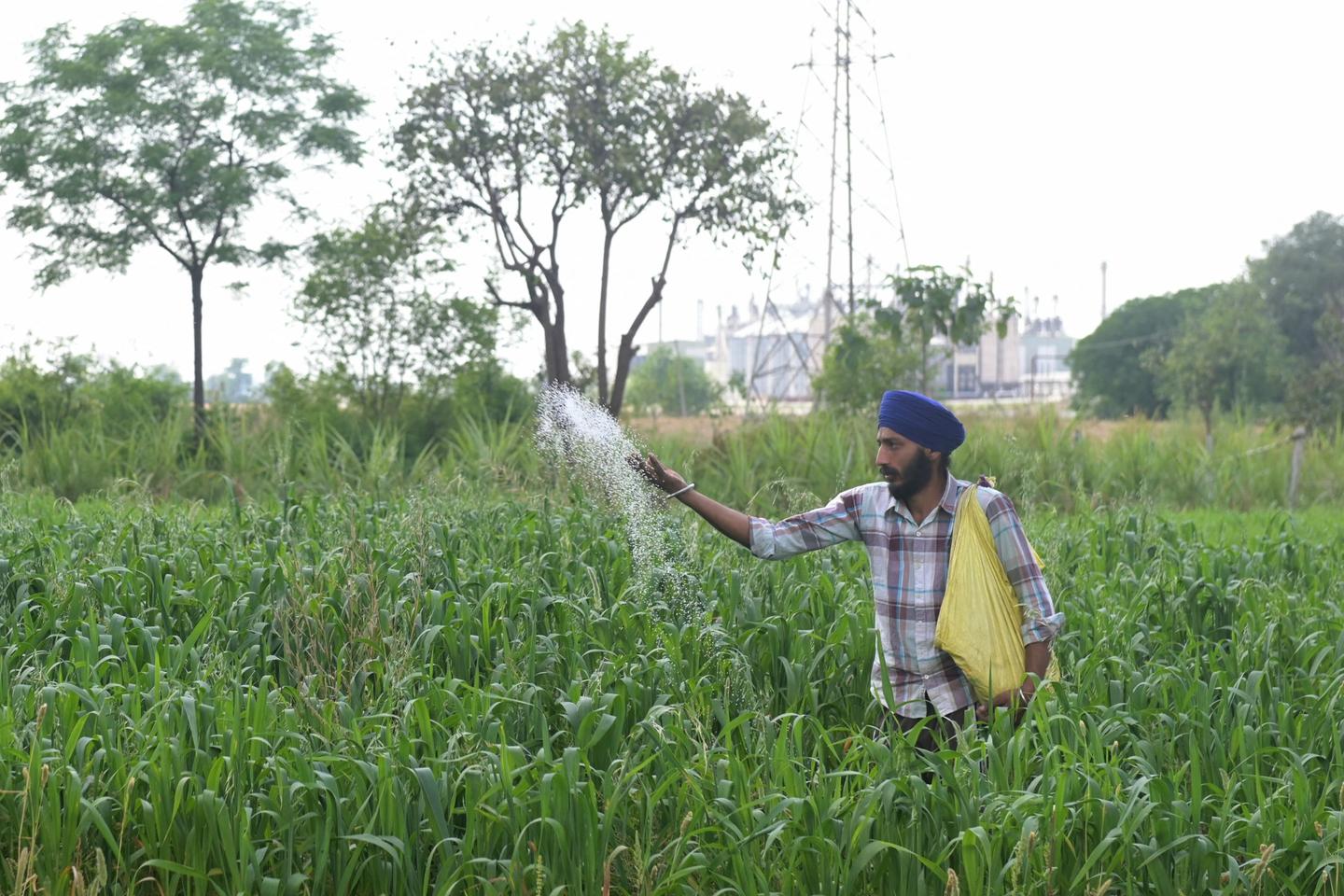
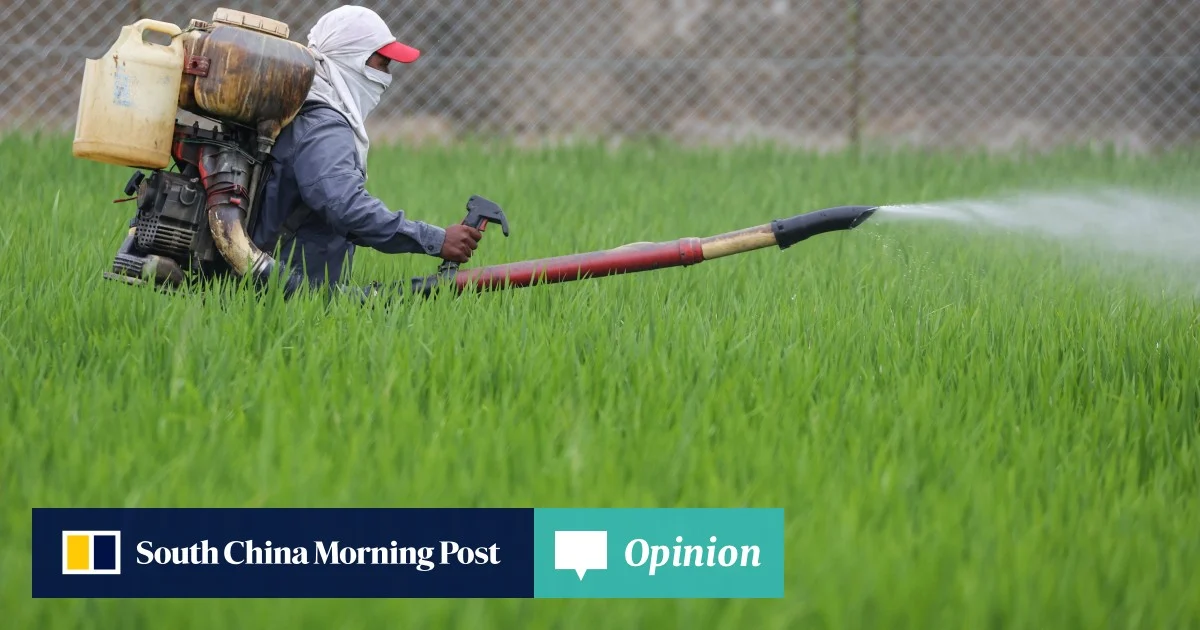
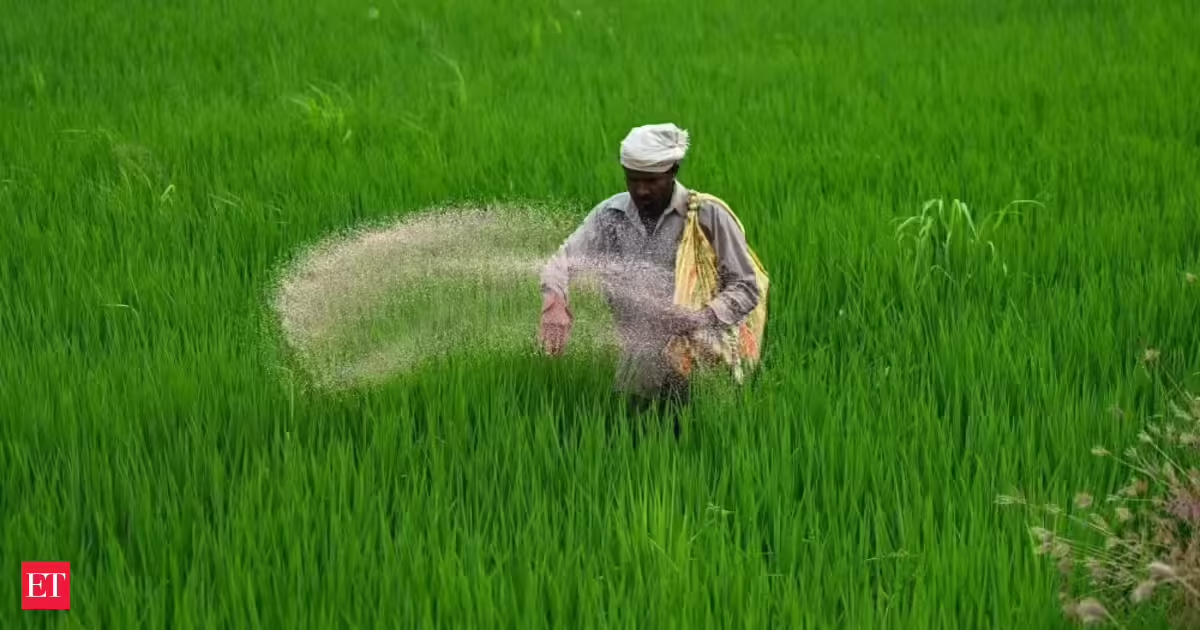
Modern agri-food systems depend heavily on energy, not only for transport and irrigation but also for fertilizer production. Nitrogen fertilizers, in particular, rely on natural gas. When energy supplies tighten, production slows and prices increase. What begins as an energy shock can quickly move into the agricultural system.
South Asian countries in particular heavily depend on fertilizer and natural gas from the Persian Gulf. In 2024, India imported more than half of its total fertilizer from the Gulf.