China has emerged as the world’s largest supplier of EV and solar components
| Photo Credit:
Fahroni
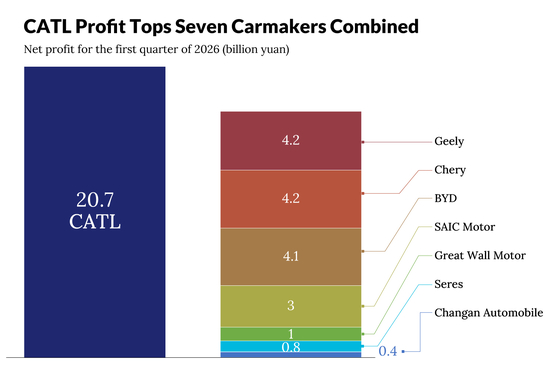
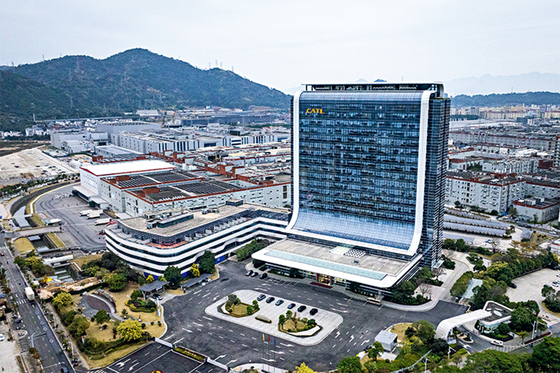
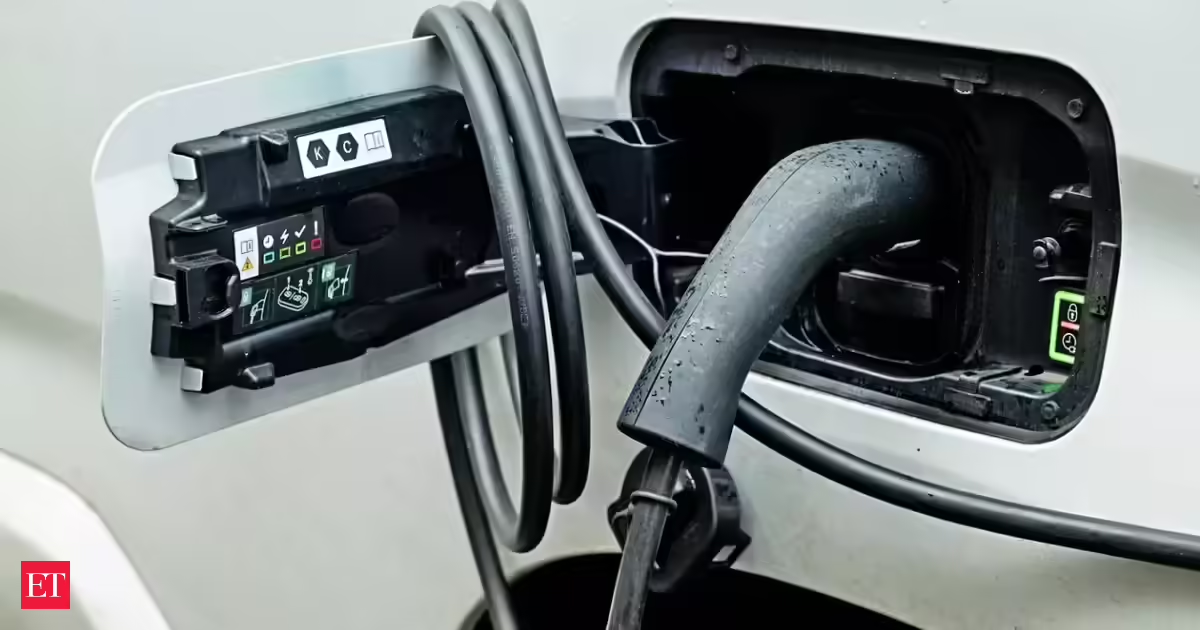
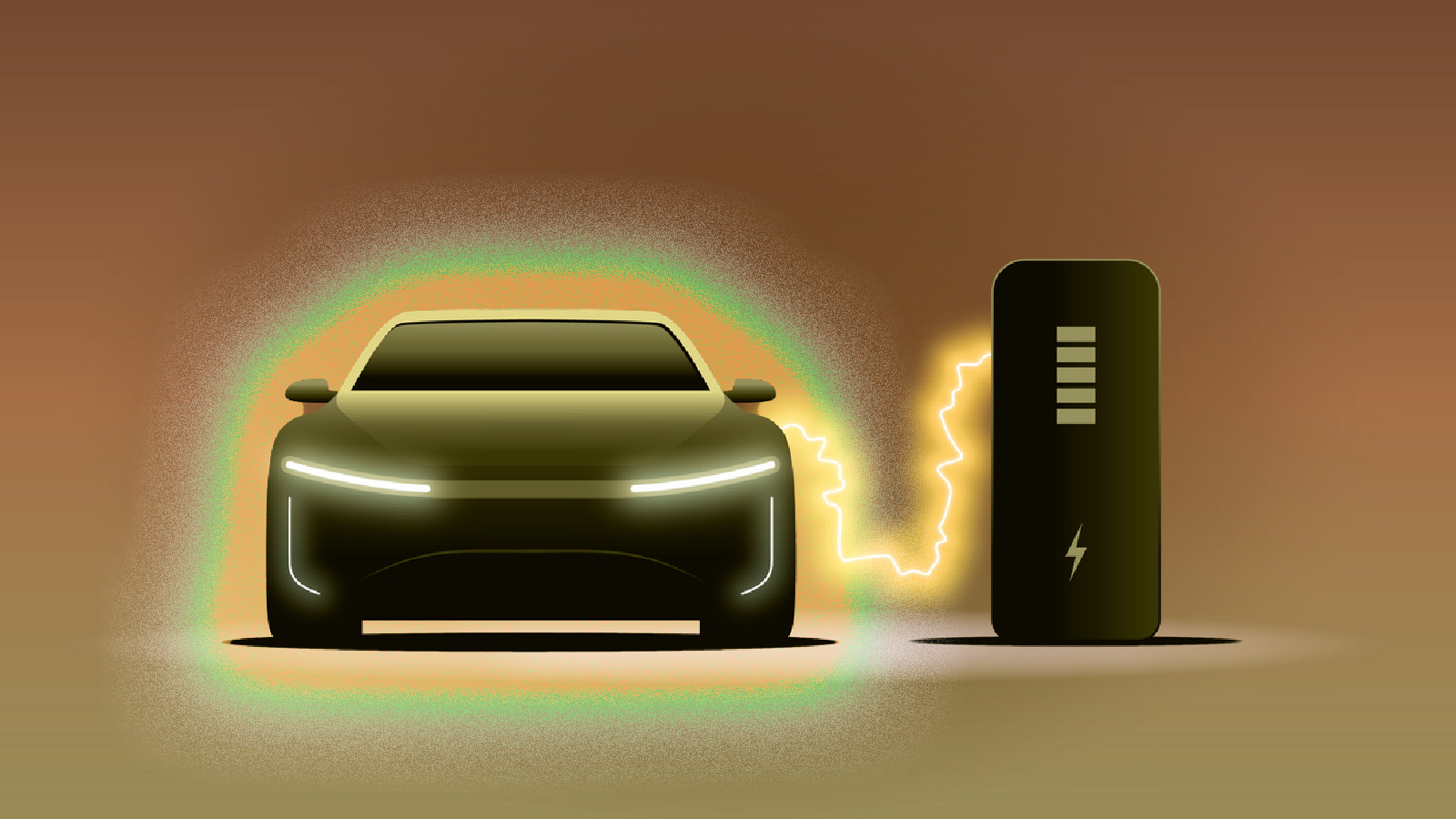
It’s a straight fight between two Chinese auto industry giants BYD and CATL. Both want to offer the world’s fastest electric vehicle (EV) charging systems. CATL is claiming to be in the top spot currently with its third-generation Shenzing battery which it says can speedily charge a vehicle from 10 per cent to 98 per cent in just 6 minutes and 27 seconds. That makes it faster than BYD’s second-generation battery which claims it can race from 10 per cent to 90 per cent in 9 minutes.The Adani group is looking to tie-up with CATL for a gigantic battery manufacturing project near its Khavda Renewable Energy Park. The only catch is that the Chinese would prefer to make as much as possible in China and export to India. Now Reliance is also in talks with CATL to buy components for the huge battery energy storage systems complex that it is planning to build at Jamnagar. Soon after the 2020 border clash India issued what was euphemistically called Press Note 3 to curb investments and purchases from companies based in neighbouring countries. This move was obviously aimed at China but the government has been forced to introduce relaxations at regular intervals. Most recently in March it eased up by allowing BHEL and SAIL to buy critical equipment from China. “The policy statement that came out was essentially an acknowledgement that blocking Chinese investments had created a lot of negative spillovers,” says Santosh Pai, partner Dentons Link Legal.Imports zoomThe government’s goal of hitting China hard on trade didn’t work out. The trade figures tell the whole story. In FY20 India’s imports from China were at $65 billion. But imports have been climbing steeply ever since and in FY26 had zoomed to $131 billion.The inescapable fact is that China has become the factory of the world and scores of products and also industrial equipment aren’t available — or are much costlier — anywhere else. Yes, the US is still ahead in hi-technology and fields like AI. But in many other industries it’s a very different story.Just glance at the automobile industry and this becomes almost brutally visible. In EVs and batteries the Chinese are roaring ahead and the German and American giants are only just starting to catch up.Take Tata Motors and partner companies like Tata Autocomp. Tata Motors buys its battery packs from Chinese giant Gotion High-Tech and the cells in those batteries from Gotion, EVE Energy and other smaller companies. Then check out the EV motors and drivetrain which are from another Chinese firm Prestolite Electric.It’s the same story at Mahindra & Mahindra which mostly buys BYD Blade battery cells and lithium-ion pouch cells from Farasis Energy, another Chinese company with advanced technology. But Mahindra may drive away from the Chinese in the near future and is looking for a tie-up with Volkswagen, But the fact is that currently Indian companies buy all their key components from Chinese companies. Even Maruti Suzuki which has been late getting into EVs buys battery packs from BYD. Also rare earth magnets for most companies come from China.Move from EVs to solar panels and it is much the same story. China is reckoned to produce 80 per cent to 85 per cent of all solar panels globally. It’s much the same story for other solar energy components like wafers, solar cells and polysilicon. Over 80 per cent of all these components are produced in China. Indian manufacturers are buying a small amount of their hardware from countries like Vietnam, Malaysia, Indonesia and Thailand but even here the manufacturers are Chinese companies that have set up shop in South-East Asia. What about the US and Europe — they’re generating hardly any heat in solar energy. Yes. Indian manufacturers are swinging into action but could take time to make their presence felt.Smartphone production has been one of India’s great success stories in recent years. Apple, Samsung and even Chinese companies like Xiaomi are all putting together their products in India but it shouldn’t be tough to guess where the components are coming from: China. Even Apple still gets components from China. Whether it’s printed circuit boards or any other electronics component, it’s almost certain to come from China.What about pharmaceuticals, one of the great Indian success stories? Soon after the Ladakh confrontation it dawned on the government that India’s pharma stars had all shut down the plants that once made active pharmaceutical ingredients. Why? They brought in lower returns was the main reason. Of course they were also very polluting but that probably wasn’t the key reason for getting out of these fields.Even in less hi-tech fields the world has allowed China to take over manufacturing of all kinds. So industrial machinery in all kinds of fields is almost inevitably from the Middle Kingdom.Is it possible to change this situation? Yes, the world has woken up to just how dependent it has become on the Chinese. And India will soon start manufacturing its EV and smart phone components. But for now China has our arms firmly twisted behind our backsPublished on May 20, 2026