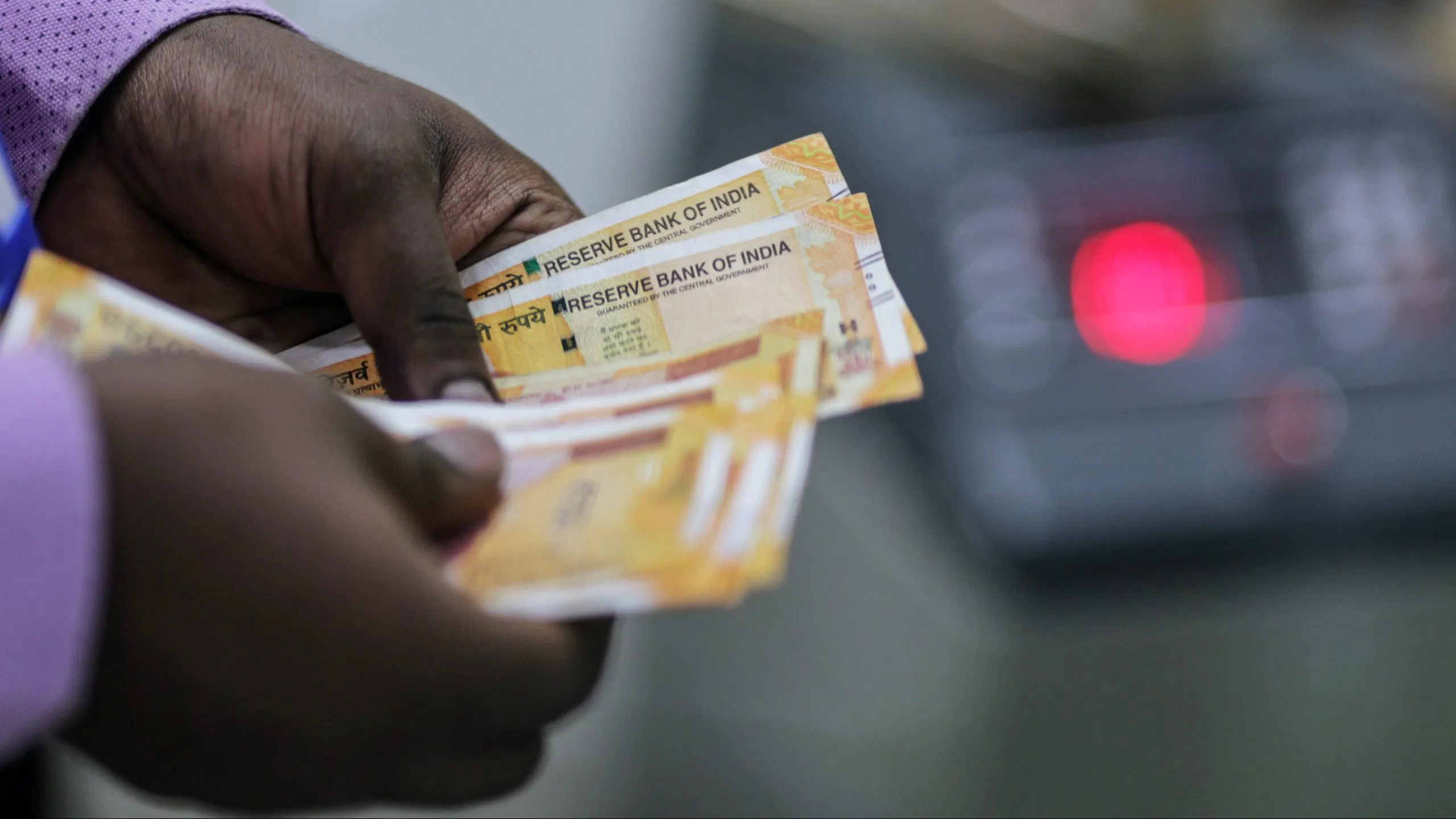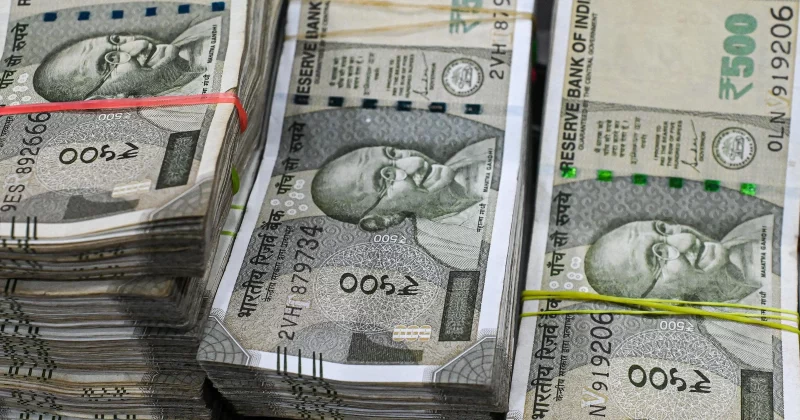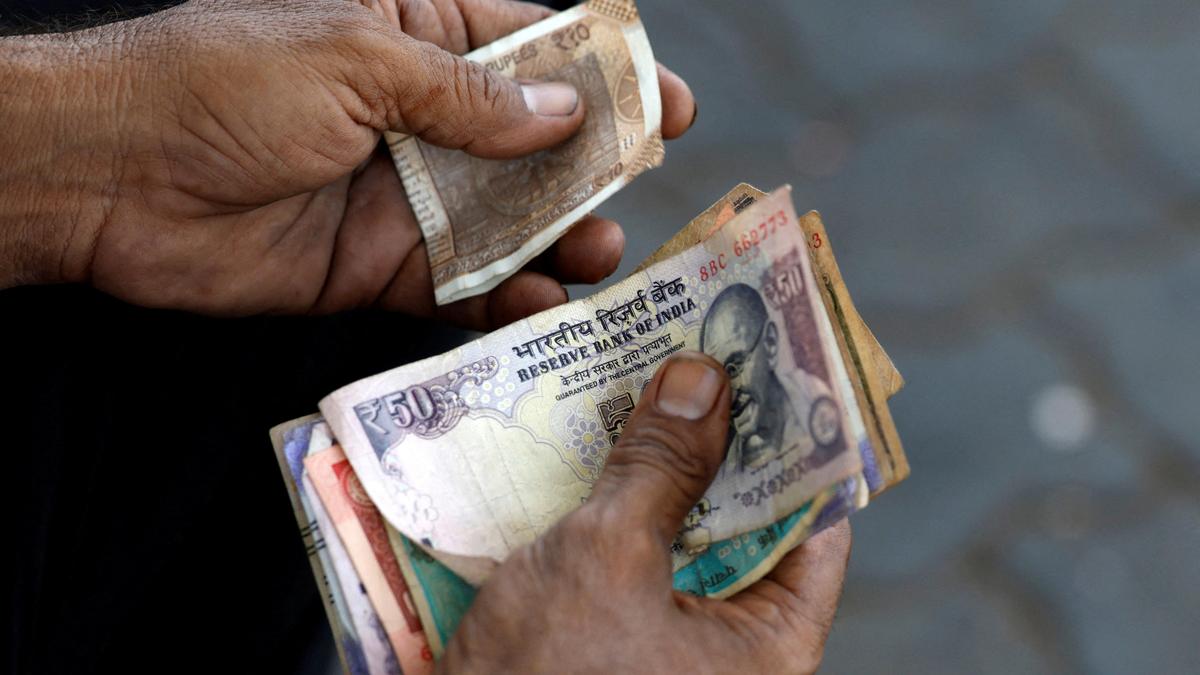
The falling rupee is being watched closely with a clarion call being made to lower forex spending, which includes purchase of gold, foreign travel or use of petrol-diesel vehicles. There is also a discussion on the necessity of shoring up our forex reserves through either a bond issuance, or a swap that was done earlier. How serious is the issue today?
The declining rupee is a concern as the fundamentals of our balance of payments show that demand is higher than supply for forex. But is this leading to a crisis? The answer is ‘no’ because with reserves of around $690 billion, there is an import cover of 11 months. Anything above eight months is comfortable, and concerns can arise when it falls below this threshold.
The situation is not akin to 2013 when there was a sharp fall in reserves and the RBI came up with the swap plan. At that time India was part of what was called the ‘fragile five’ countries. In 1998, to deal with sanctions imposed due to Pokhran nuclear explosions, the RIBs (Resurgent India bonds) were issued. In 2000, India Millennium bonds were floated in the wake of an oil crisis. The present situation is not as alarming.
Even so, the government and the RBI must put in place a contingency plan, in case things get out of hand. Customs duty has been hiked to 15 per cent from 6 per cent, to curb gold imports. Curbing imports is a good idea, but takes time to work out as price may often not be a limiting factor. Imposing quotas is an option but that will send a different message to investors on the state of the economy. Besides, any quantitative restriction invariably leads to the emergence of a black market. Therefore, the primary focus has to be on getting in forex; curbing expenditure can only be a secondary option.