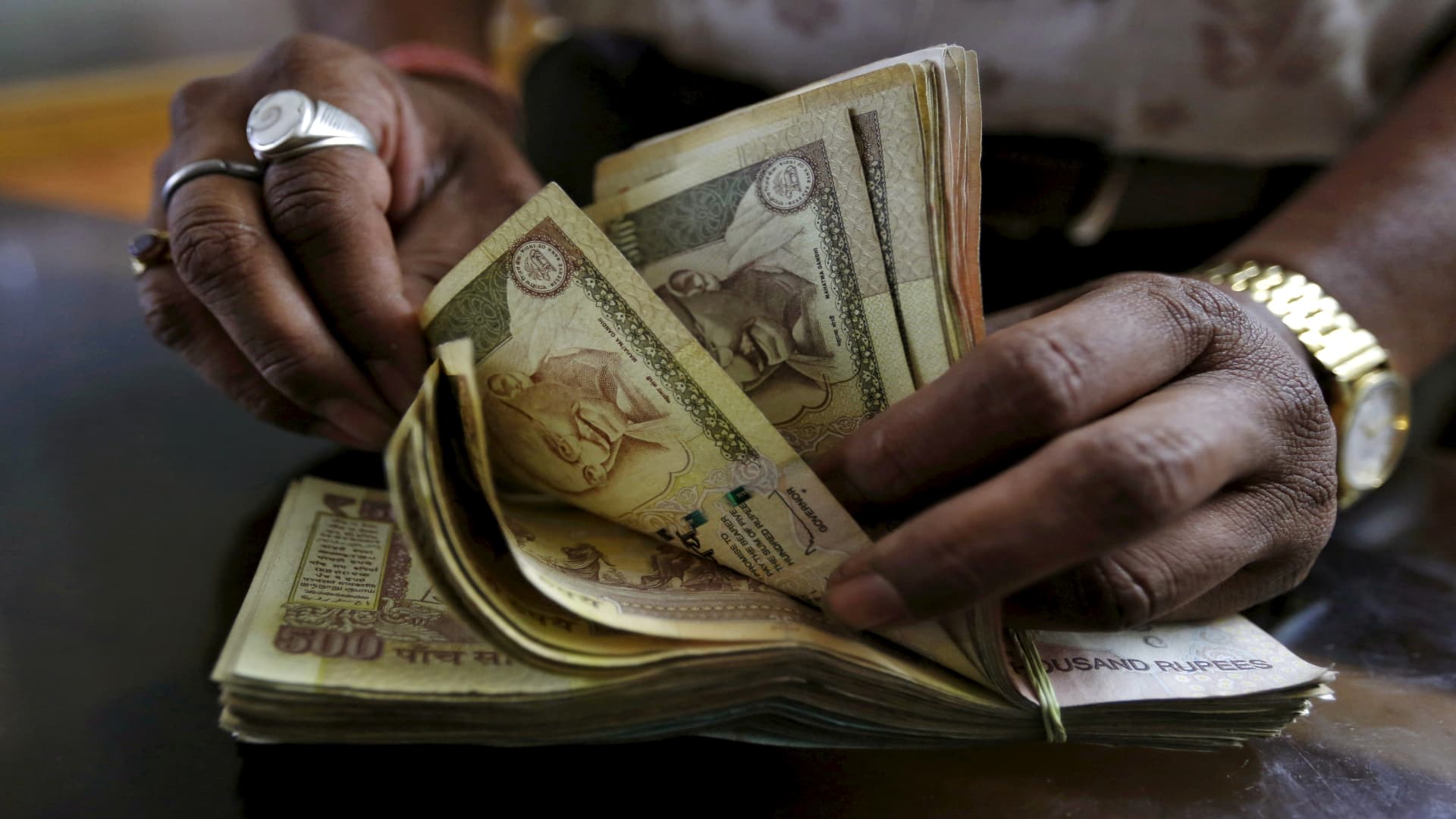
SynopsisIndia is considering reducing taxes on foreign investments in its bonds to attract long-term capital and stabilize the rupee. This move aims to offset currency risk concerns that have deterred foreign investors, particularly from the bond market, following withdrawals from equities. The policy's success hinges on the extent of tax relief and investment limits.ETMarkets.comThe Indian government is considering a significant policy move, reducing taxes on foreign investments in Indian bonds. If it goes through, it could reshape how global investors look at India's debt market, and potentially give the rupee a much-needed boost.Ashvin Parekh, Managing Partner at Ashvin Parekh Advisory, called the proposal "very commendable" and broke down exactly why the timing matters.Why this idea is coming up nowThe backdrop is important. Since April and May 2025, the rupee has faced sustained depreciation pressure. That triggered a wave of FII withdrawals from Indian equities, as foreign investors found their returns eroded by currency risk even when the underlying investments performed well.The bond market was supposed to be the alternative. And for a while, it was JPMorgan and several other major global institutions had opened significant lines into Indian bond markets. But rupee volatility threw a spanner in the works. Even when bond yields were attractive, the currency risk weighed heavily on foreign investors' calculations.A tax incentive, Parekh argues, could directly offset that hesitation and bring those flows back.You Might Also Like:Why bonds are better bet than equities for this purposeOne of the more compelling points Parekh made is about the nature of bond investments versus equity. Equity flows are notoriously flighty — they move in and move out quickly based on sentiment, global risk appetite, and currency movements.Bond investments are stickier. Once a foreign investor commits to a bond, the investment stays for the duration of the instrument. That means any inflows attracted through this tax incentive would be relatively long-term in nature — exactly the kind of capital India needs to stabilise its external position and reduce currency volatility.Two factors that will determine how much capital comes inParekh was measured in his optimism, pointing to two variables that will ultimately decide the scale of the opportunity.First, the extent of the tax relief itself. The more meaningful the incentive, the stronger the signal to global investors that India is seriously open for bond investment.You Might Also Like:Second, the investment limits the government sets. Parekh was careful to flag that India cannot simply open the floodgates. Maintaining a healthy external debt position relative to GDP is critical, and any inflow limits will need to reflect that balance. Too restrictive and the incentive loses its appeal. Too open and it creates a different set of risks.The details of the scheme — including whether it will apply only to sovereign bonds or extend to corporate and other bond instruments — are yet to be announced. Those specifics will matter enormously.What it means for the RupeeThis is where the proposal gets particularly interesting for everyday investors and businesses with currency exposure.Parekh believes the measure would have a stabilising effect on the rupee. He noted that the RBI is already taking constructive steps — including tightening open position limits for banks to reduce speculative currency exposure. The bond tax incentive would complement these efforts by bringing in genuine long-term foreign capital, which naturally supports the currency.You Might Also Like:The goal, as Parekh sees it, is not to target a specific rupee level, but to reduce volatility — and that alone would be a meaningful improvement for businesses, importers, and investors navigating currency uncertainty.The bottom line: This is still a proposal, not a policy. But the direction is clear and the logic is sound. If the government follows through with a well-structured scheme, India's bond market could re-emerge as a serious destination for global capital — and the rupee could be the quiet beneficiary.Read More News on(What's moving Sensex and Nifty Track latest market news, stock tips, Budget 2025, Share Market on Budget 2025 and expert advice, on ETMarkets. Also, ETMarkets.com is now on Telegram. For fastest news alerts on financial markets, investment strategies and stocks alerts, subscribe to our Telegram feeds .) Subscribe to ET Prime and read the Economic Times ePaper Online.and Sensex Today. Top Trending Stocks: SBI Share Price, Axis Bank Share Price, HDFC Bank Share Price, Infosys Share Price, Wipro Share Price, NTPC Share Price...moreless(You can now subscribe to our ETMarkets WhatsApp channel)Read More News on(What's moving Sensex and Nifty Track latest market news, stock tips, Budget 2025, Share Market on Budget 2025 and expert advice, on ETMarkets. Also, ETMarkets.com is now on Telegram. For fastest news alerts on financial markets, investment strategies and stocks alerts, subscribe to our Telegram feeds .) Subscribe to ET Prime and read the Economic Times ePaper Online.and Sensex Today. Top Trending Stocks: SBI Share Price, Axis Bank Share Price, HDFC Bank Share Price, Infosys Share Price, Wipro Share Price, NTPC Share Price...moreless
Could a tax break on bond investments be the move that strengthens the Rupee? Ashvin Parekh answers
India is considering reducing taxes on foreign investments in its bonds to attract long-term capital and stabilize the rupee. This move aims to offset currency risk concerns that have deterred foreign investors, particularly from the bond market, following withdrawals from equities. The policy's success hinges on the extent of tax relief and investment limits.
816 words~4 min read