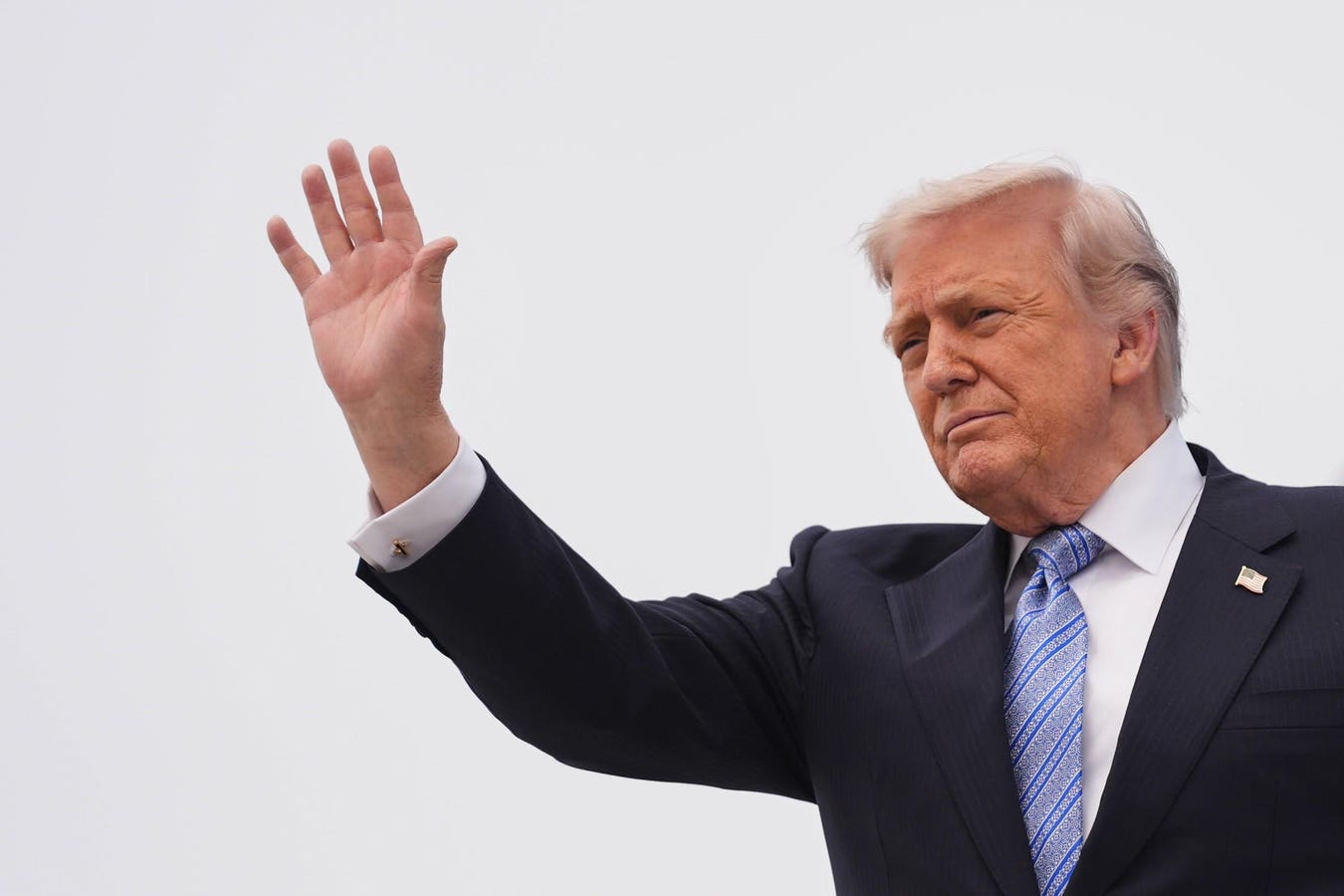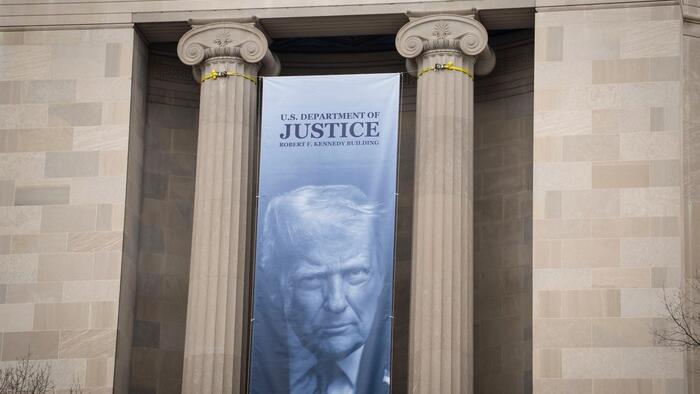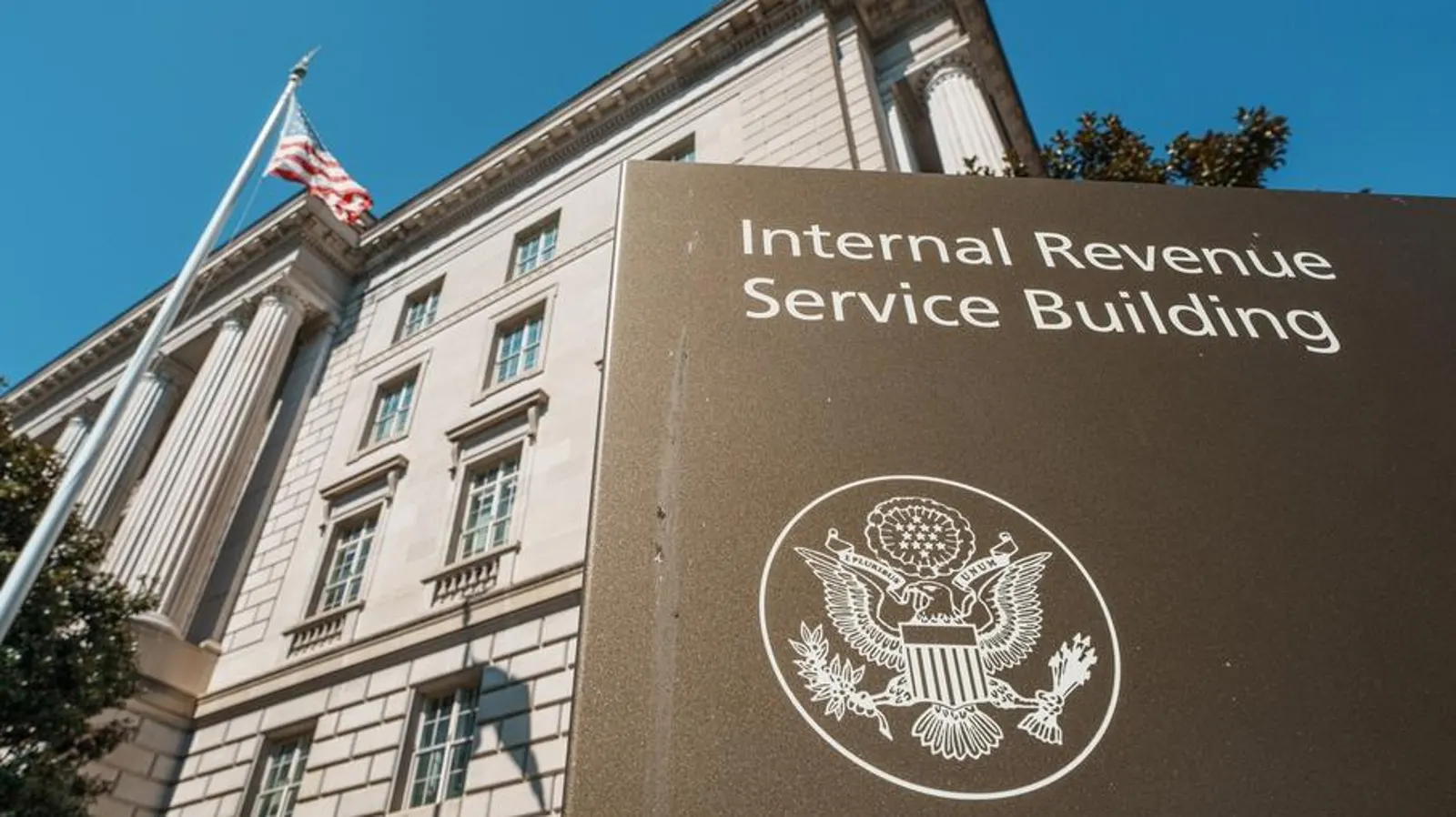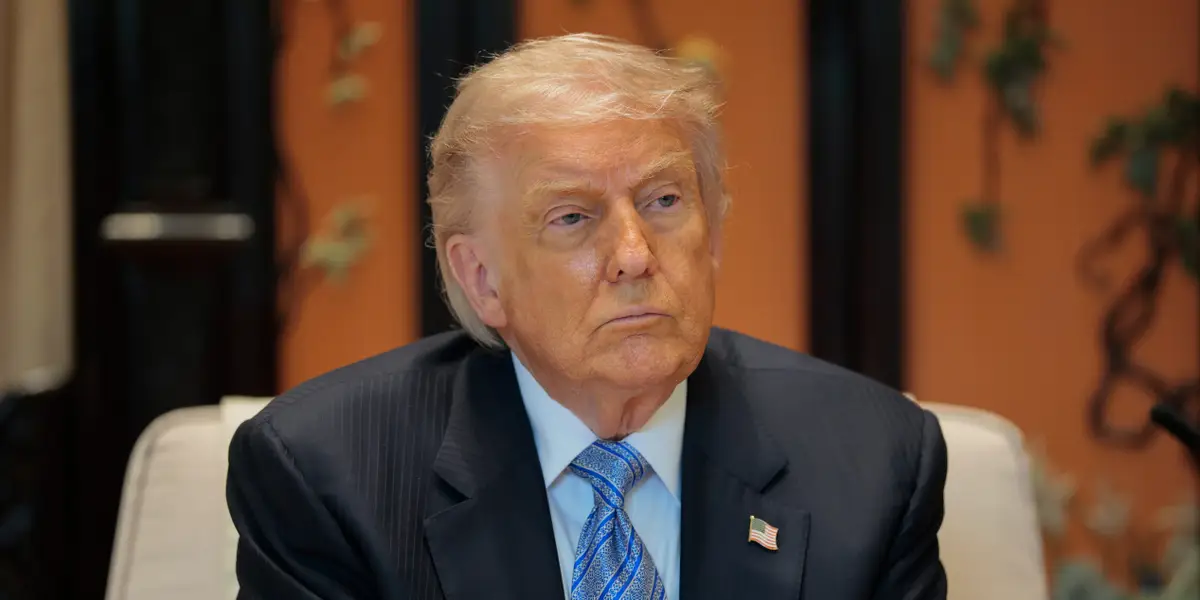
Trump IRS settlement: A newly disclosed term in Donald Trump’s settlement with the Internal Revenue Service has intensified criticism surrounding the administration’s handling of the case, after documents revealed the federal government agreed not to pursue certain past tax-related claims involving the president, his family or affiliated businesses.The additional language surfaced Tuesday in a hyperlink attached to a Justice Department press release announcing a separate agreement connected to Trump’s $10 billion lawsuit against the IRS. According to CNN and Politico, the settlement also created a nearly $1.8 billion compensation fund intended for individuals or groups allegedly “weaponized” by previous administrations.The newly added clause states that the federal government is “FOREVER BARRED and PRECLUDED” from pursuing claims, audits or examinations connected to tax matters already pending before the IRS involving Trump before the agreement was finalized, as per reports.ALSO READ: China wouldn't let Marco Rubio in, so he did something nobody in US politics has ever doneWhy is the IRS settlement facing criticism?You Might Also Like:The provision immediately triggered accusations of “self-dealing” from Trump critics, who argued the administration was overseeing a legal settlement directly benefiting the president and his family.Rep. Richard Neal, the top Democrat on the House Ways and Means Committee, sharply criticized the move in a social media statement, as per a report by CNN.“Trump has turned the federal government into his personal protection racket by making sure his, his family, and his companies’ taxes are permanently off limits,” Neal said.The criticism intensified because the agreement was reached by executive branch officials working under Trump’s administration while resolving a lawsuit Trump himself had filed in a personal capacity.The Justice Department did not publicly explain why the additional settlement language appeared separately after Monday’s announcement. However, spokesperson Natalie Baldassarre defended the agreement, saying, “As is customary in settlements, both sides have executed waivers of a variety of claims that were or could have been brought.”She added that there would be little purpose in settling major claims if either side could later reopen related disputes.ALSO READ: Fidelity Investments data breach settlement with up to $5,000 compensation for affected customers- here's who can file a claimWhat does the new agreement actually say?The one-page document, signed Tuesday by acting Attorney General Todd Blanche, applies not only to Trump but also to his relatives, trusts, companies and affiliates.According to the filing, the federal government cannot pursue audits or examinations tied to tax returns filed before the settlement date or revisit matters “that were raised or could have been raised.”The Justice Department clarified that the agreement would not prevent the IRS from reviewing tax issues connected to filings made after the settlement, as per a report by CNN.Still, questions remain about how the language connects to Trump’s original lawsuit, which centered on claims that the IRS improperly allowed his tax records to be disclosed by a government contractor.Critics have also pointed to federal laws restricting presidents and executive branch officials from influencing IRS audit decisions.ALSO READ: Nancy Guthrie case takes another twist: Why has the sheriff stopped speaking directly to Nancy Guthrie’s family? here's what you need to knowHow are lawmakers reacting to the deal?The settlement became a major topic during Todd Blanche’s congressional testimony Tuesday, though lawmakers did not initially question him about the newly released language.Blanche confirmed that Trump, his family and affiliated entities agreed not to seek compensation from the nearly $1.8 billion anti-weaponization fund created under the broader settlement.Associate Attorney General Stanley Woodward also defended the agreement, urging critics not to rush to conclusions about how the fund would operate, as per a report by CNN.Meanwhile, the IRS itself did not respond publicly to questions regarding the settlement language. The controversy arises as Trump’s administration continues facing scrutiny over its handling of legal matters involving the president personally. Critics argue the agreement crosses ethical lines, while administration officials maintain it follows standard settlement practices.The debate is likely to continue as lawmakers examine the scope of the agreement and the unusual protections it appears to extend to Trump and his business interests.FAQsWhat does the new IRS settlement clause do?It blocks future federal tax claims tied to Trump’s past filings before the agreement date.Does the agreement stop future IRS audits entirely?No. The Justice Department said future filings after the settlement date could still be reviewed.
Did Trump's IRS settlement permanently shield his past tax matters? New clause sparks outrage- here's what the new clause is
A new settlement term bars the IRS from investigating President Trump, his family, and businesses for past tax issues. This extraordinary addition to a $10 billion lawsuit resolution permanently prevents claims or examinations arising from tax returns filed before the agreement. Critics have labeled the move "self-dealing" and "corruption."
713 words~3 min read