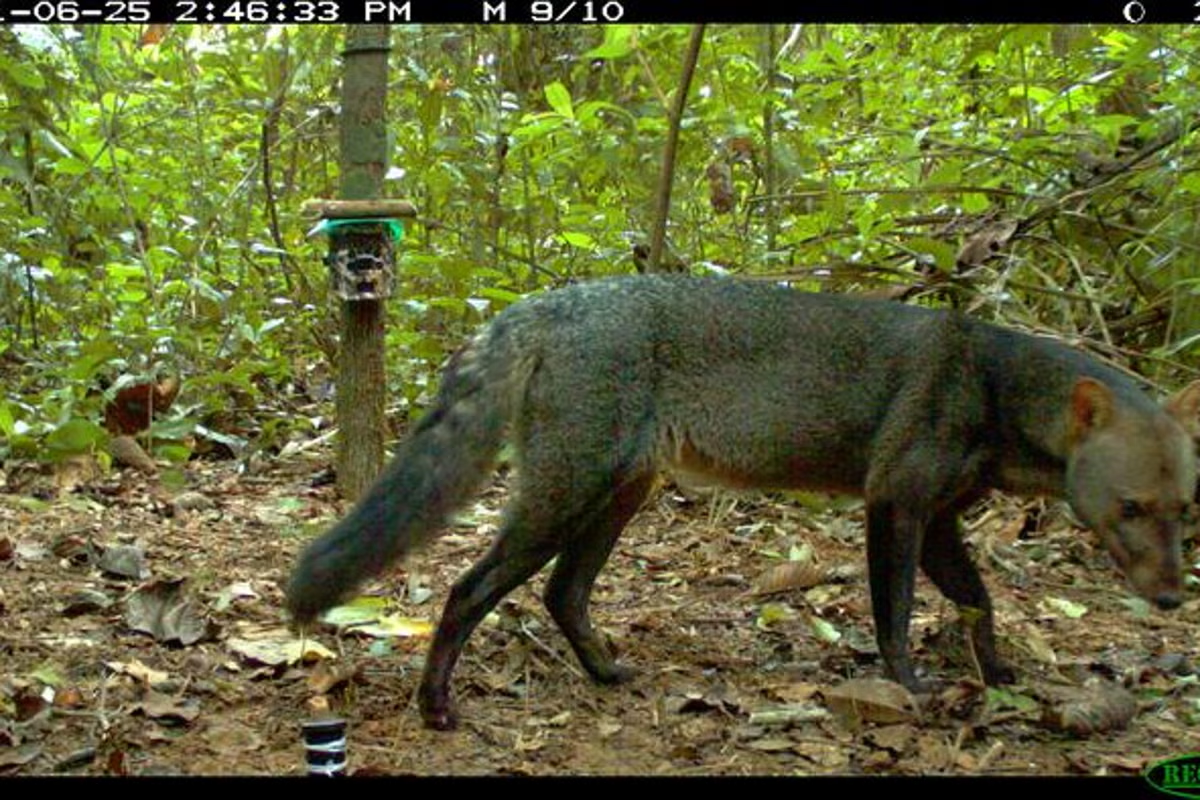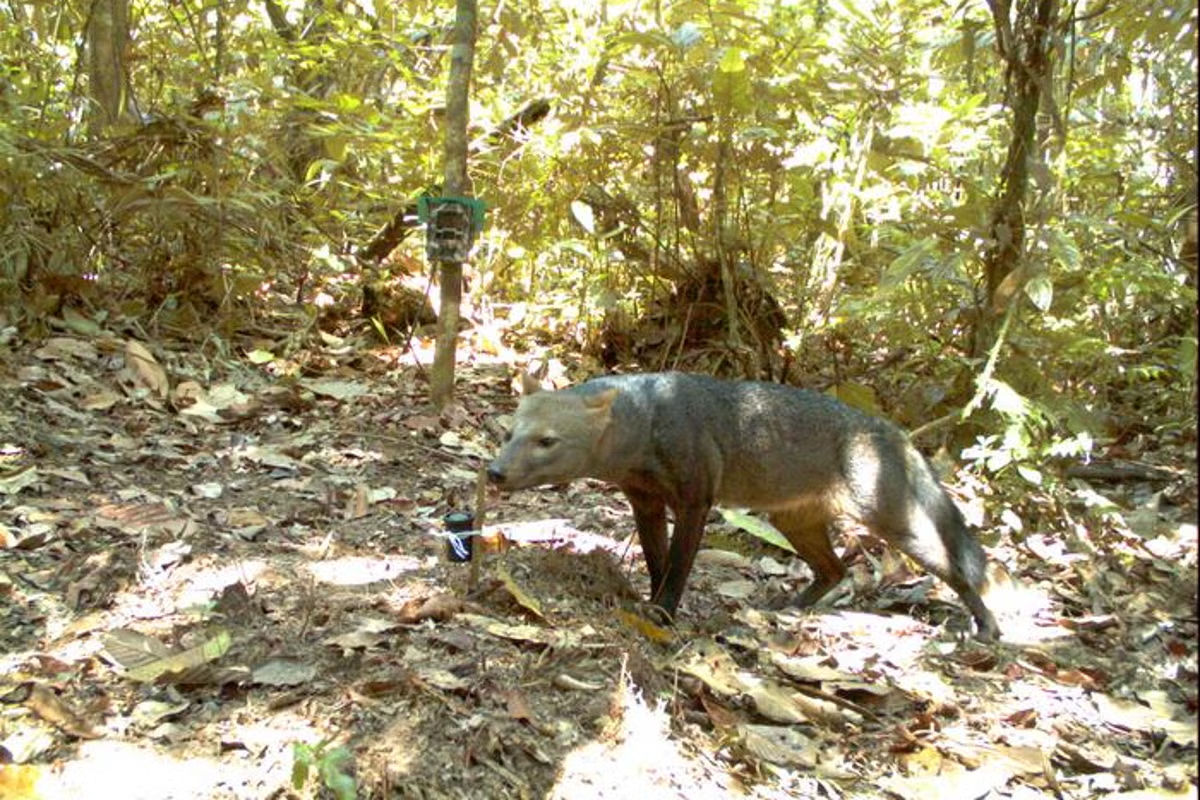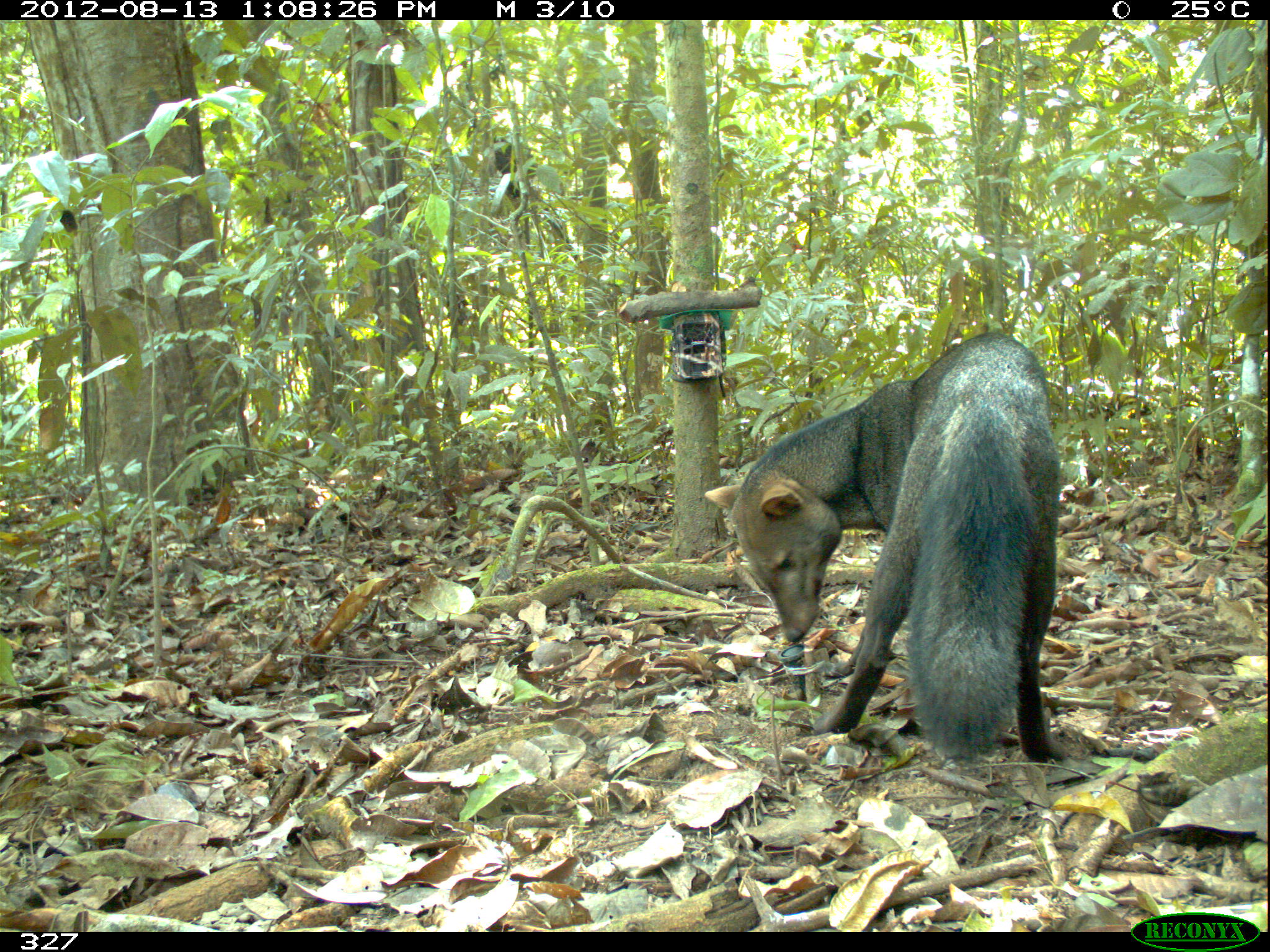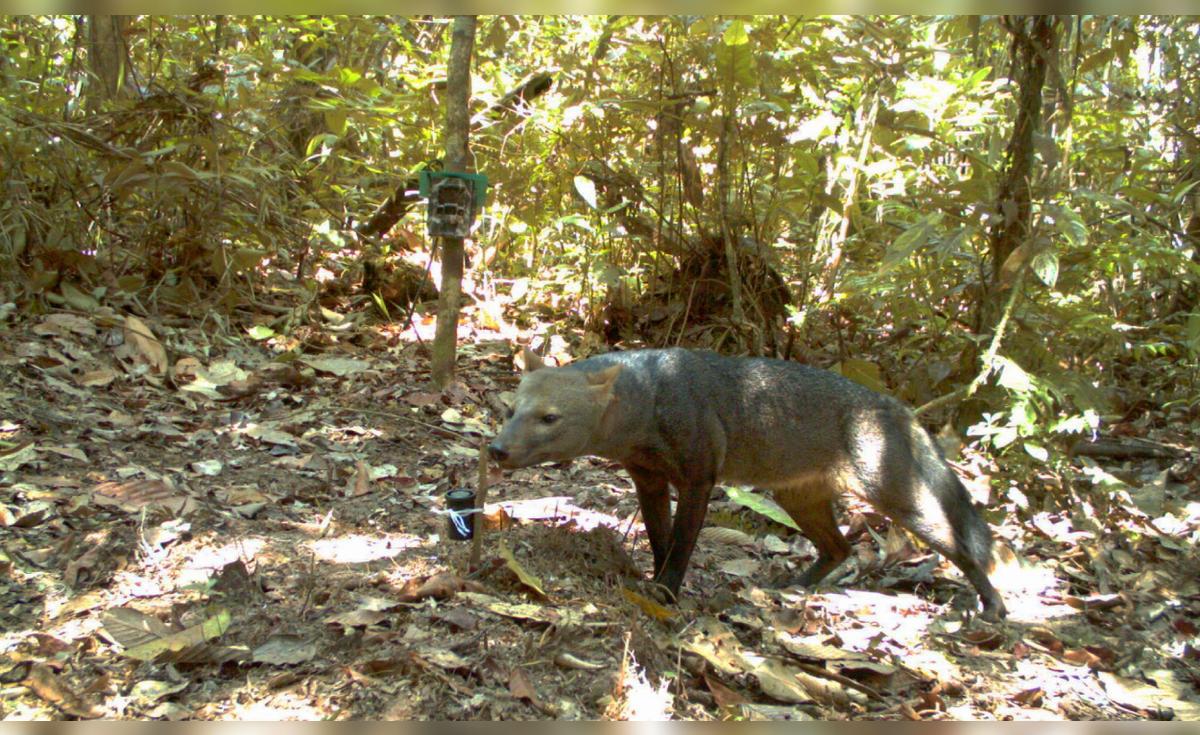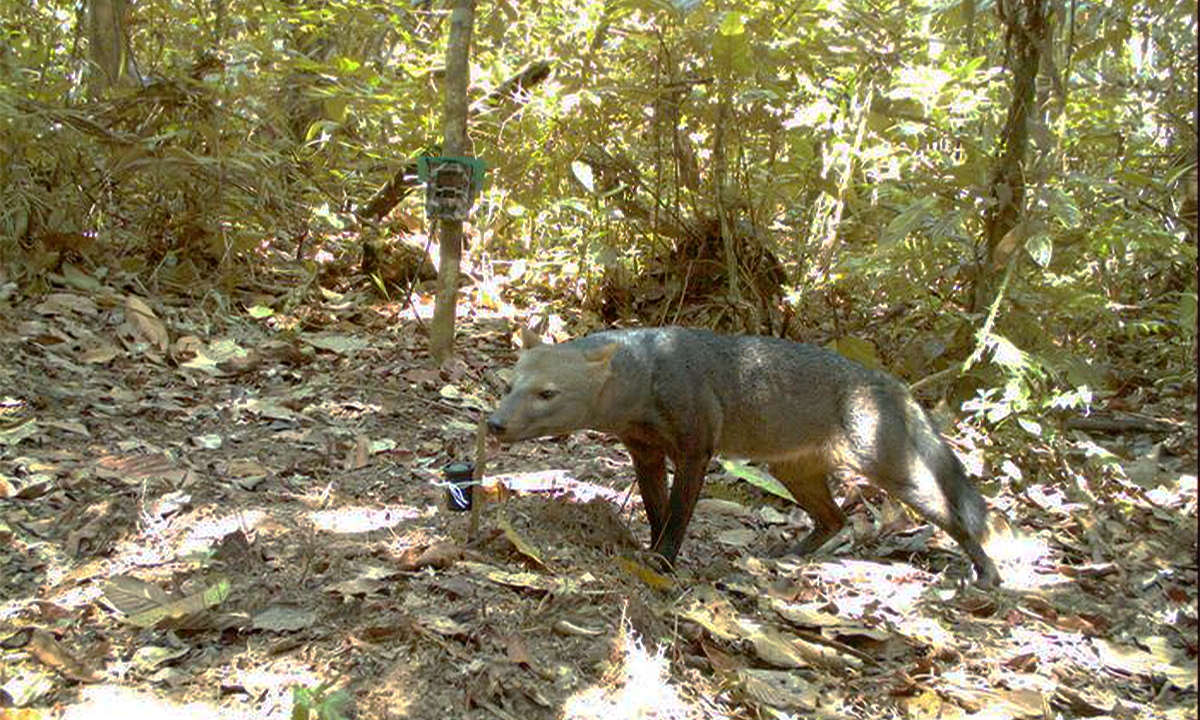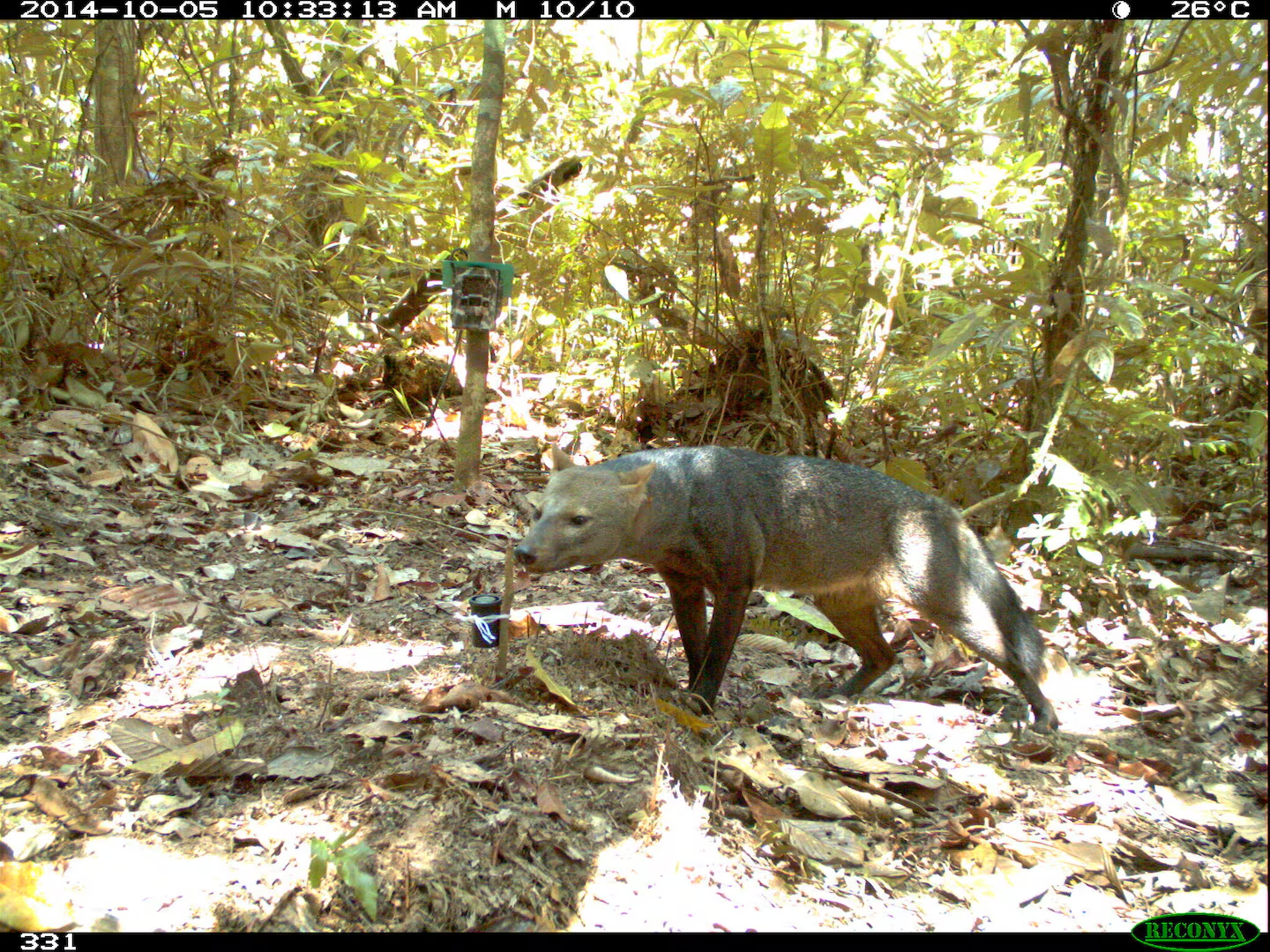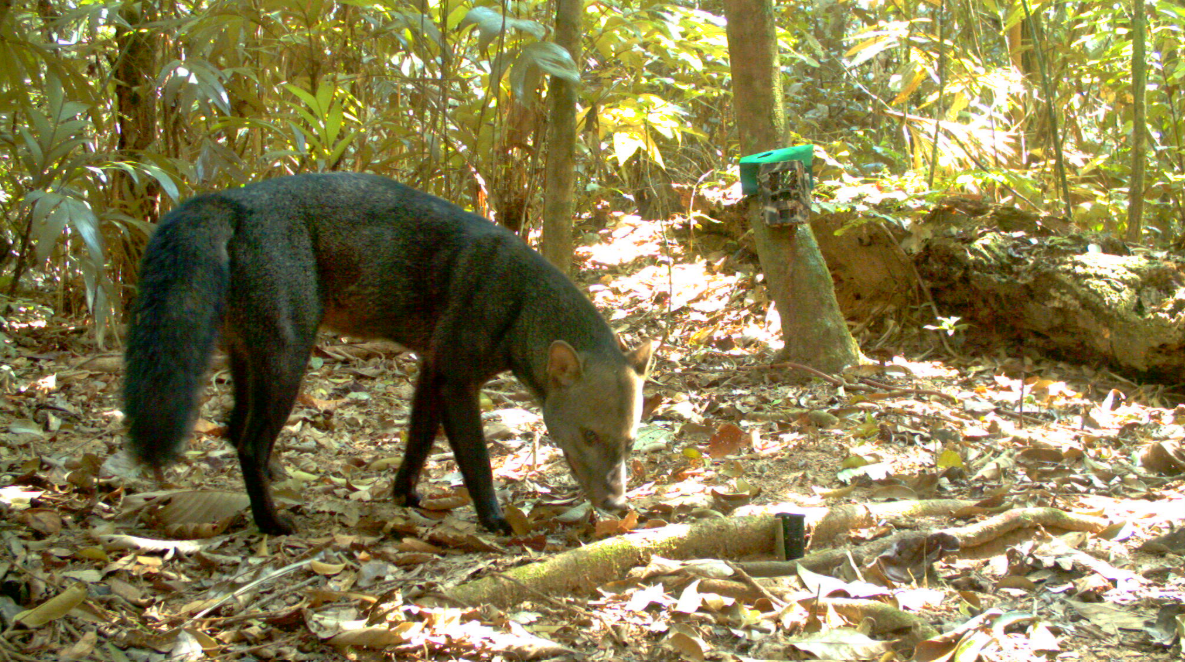
A study conducted for more than 20 years with camera-trap surveys in different parts of the Bolivian Amazon has recorded 594 independent events for the short-eared dog in more than 4,600 images.This species, popularly known in Bolivia as the ghost dog, is one of the least-known canids in the world. Its survival depends highly on the quality of its natural habitat, according to experts.In the Bolivian forests, it can generally be found in protected areas or Indigenous territories, which scientists say underscores the importance of these kinds of areas for biodiversity conservation.
It has a fox-like snout, webbed toes and a thick tail. It’s called the short-eared dog (Atelocynus microtis), but also the ghost dog (perro fantasma in Spanish) in Bolivia, and the Amazonian dog. It’s one of the world’s least-known canids and one of the least frequently sighted carnivores in Latin America.
Now, though, a study conducted over the course of more than two decades — from 2001 to 2024 — in Bolivia has revealed more than 4,600 camera-trap images that show how it lives, the places it inhabits, and why this species is so dependent on South America’s forests remaining intact to survive.
The research underscores that the ghost dog is very much an Amazonian species, and in particular a forest one. In Bolivia, it can be spotted in the country’s continuous Amazonian forests, in the northern portion of the department of La Paz, but also in the department of Pando, in northern and northeastern Beni, and in the far north and northeast of Santa Cruz.