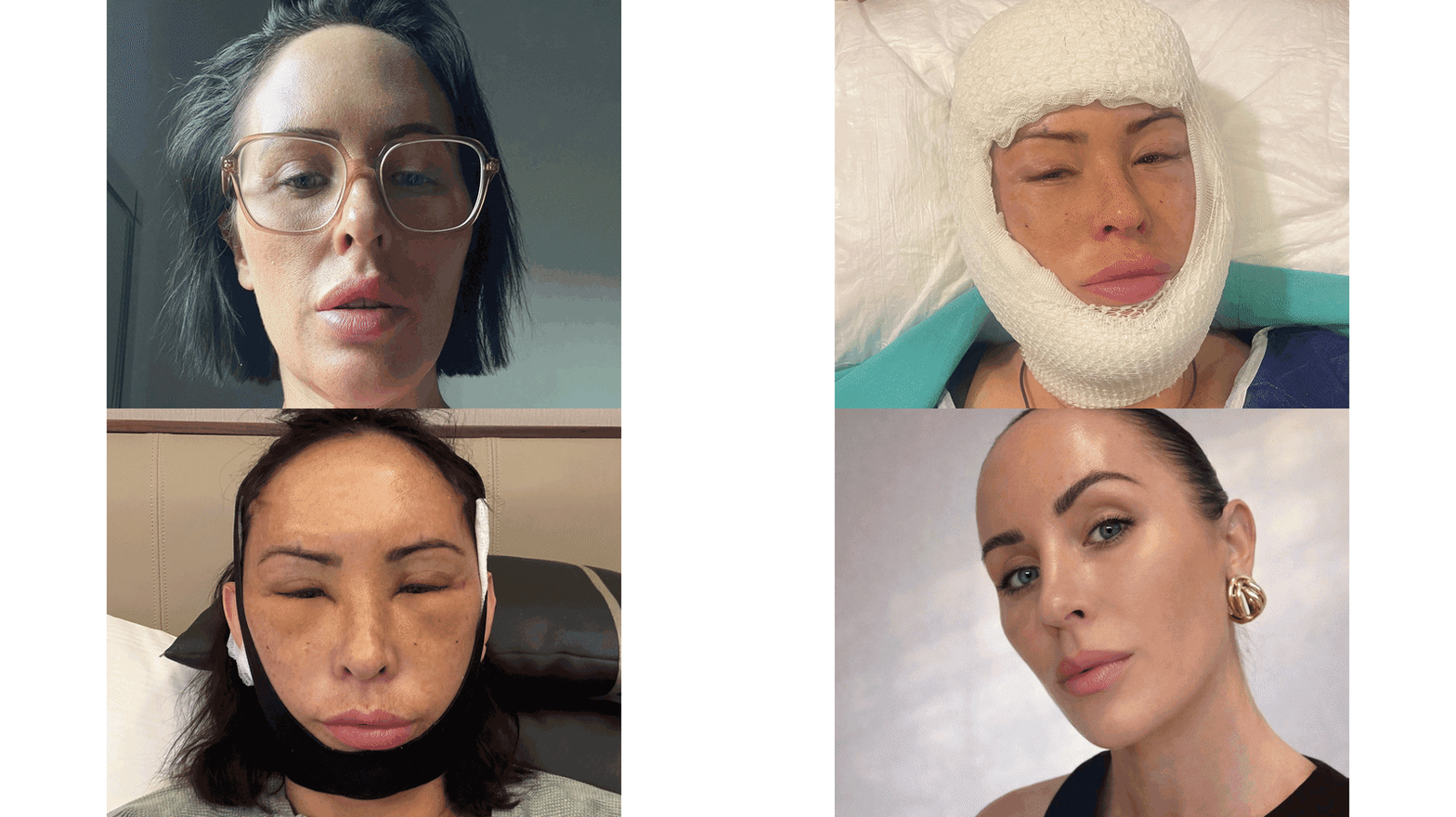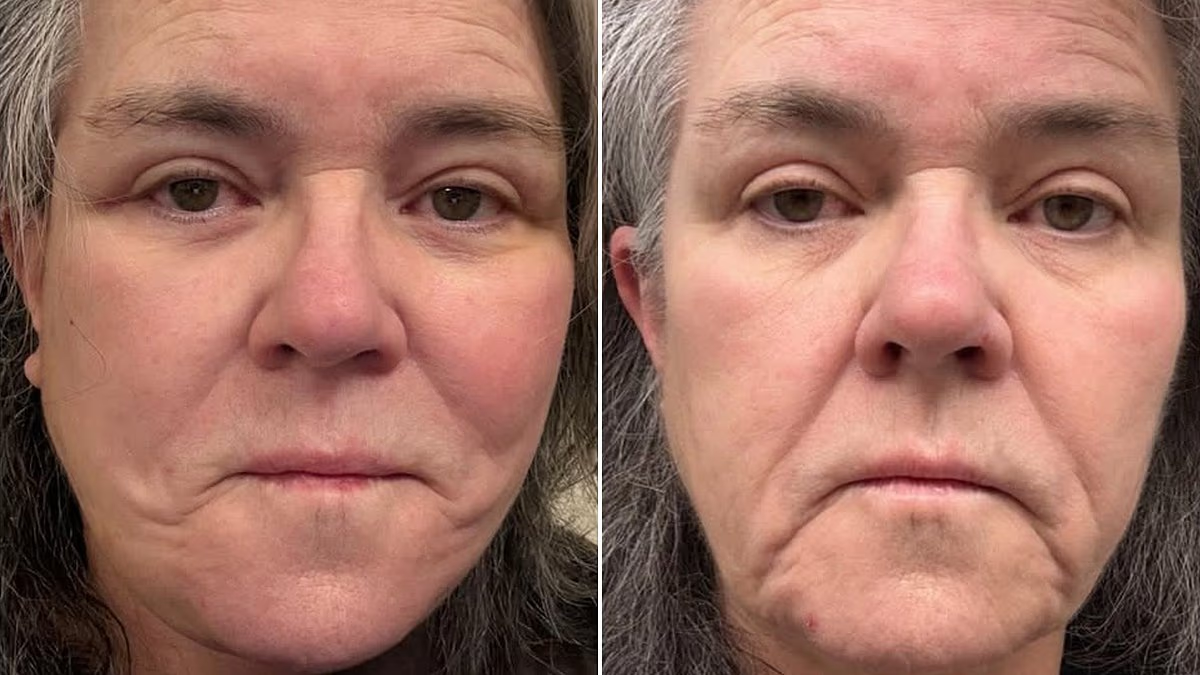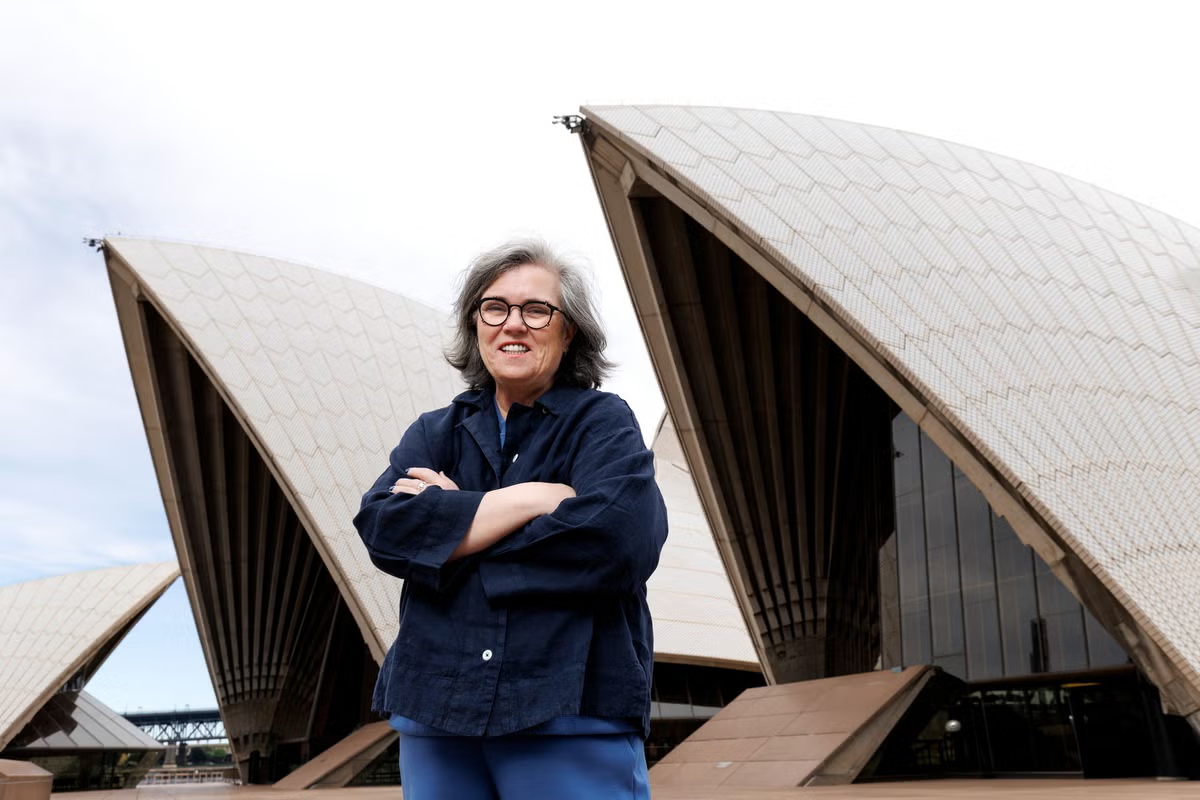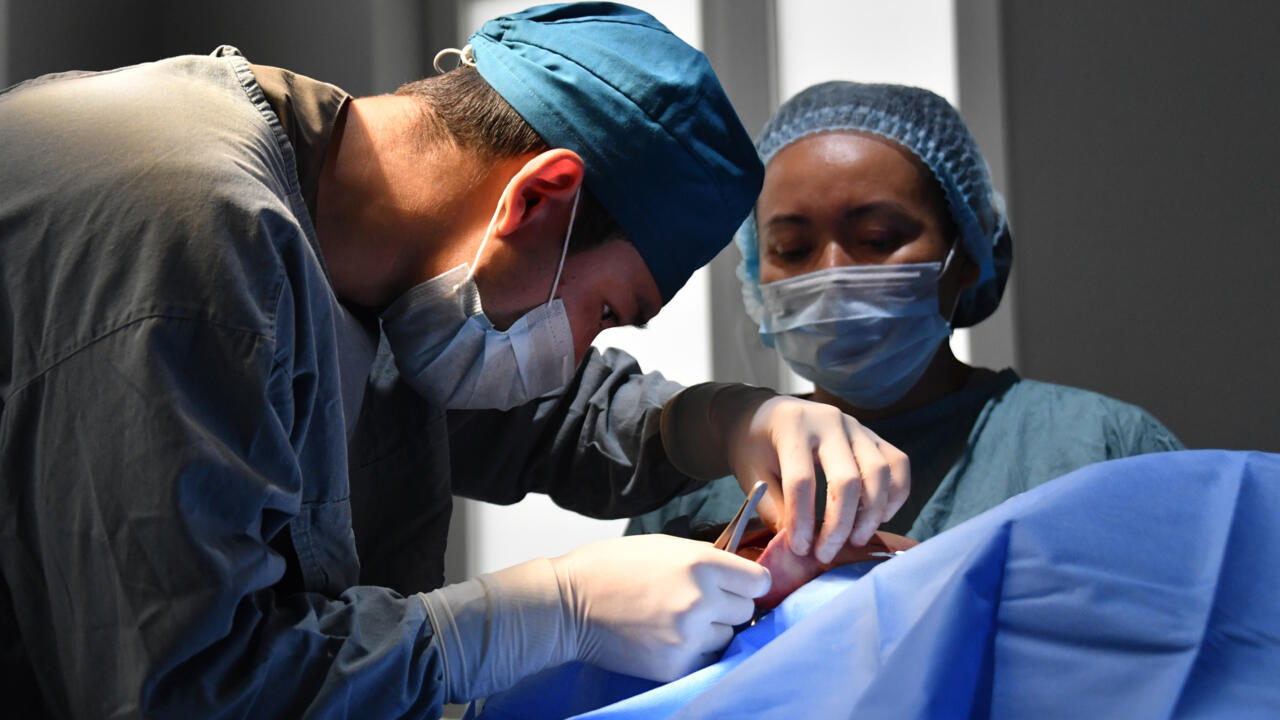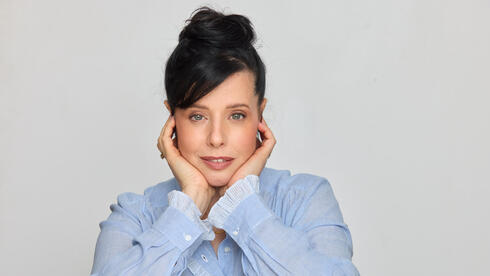
For a month, Orit Navon could not open a refrigerator, laugh or cough, but says the surgery fulfilled a dream: tummy tuck and breast lift in one procedure; in a new TV series, she follows women who chose cosmetic surgery and asks why they are still judged for itSmadar Shir|Five hours passed from the moment Orit Navon was put under anesthesia until she came out of the operating room, covered in bandages and bruises but with a flat stomach and lifted breasts. Since then, she has been telling everyone, “I’m thrilled with myself and with the result,” though she is careful not to become a missionary for plastic surgery.“When women approach me, I tell them, ‘This is very personal. Only you know if it is right for you. Not even your husband or your mother knows,’” she says. “Anyone who has had her abdomen opened, whether in a C-section or another surgery, knows the pouch around the scar; It doesn’t care how much you invest in fitness and nutrition. It is baggage that only surgery can take off you. But I will never say, ‘Do what I did.’”2 View gallery From Mishtaptzot (Photo: Kan 11)The procedure Navon underwent is known as a “mommy makeover,” mainly because it is marketed as an attempt to restore the body women had before pregnancies and births left their marks. “It is a terrible term,” Navon says. “It suggests that the moment you become a mother, you have to fix the damage of pregnancy and childbirth. It is insulting. But that is the term that caught on around the world.”The surgery consists of several procedures performed in one long session, usually including breast reshaping, whether reduction, augmentation or lift, a tummy tuck and sometimes liposuction from the buttocks or thighs. Recovery time depends on the number of procedures a woman chooses to undergo, and ranges from two weeks to a month.“It is a difficult recovery. I told one of the women I accompanied, ‘You have to remember very, very clearly why you wanted a flat stomach, otherwise you won’t be able to cope with the suffering.’ I don’t want to scare anyone, but I went into the operating room a healthy woman in peak shape and came out nursing-dependent. "I was shocked when the nurse had to put my socks on for me, especially because I am someone who finds it very hard to ask for help. I couldn’t open the refrigerator because of the vacuum seal and the effort it required. I have no history of C-sections, so I didn’t know how painful it is to cough, laugh or straighten up. For a month, I was bent almost down to my knees.”Since recovering and returning to herself, Navon created Mishtaptzot (women undergoing makeover) with director Yasmin Kini, a documentary series recently launched on Kan Digital, Israel Broadcasting Corporation, to break some of the stigmas and reflect the emotional journey involved in the process and its results.“I also had a bit of a stigma about plastic surgery,” she admits. “Fifteen years ago, I would have told you, ‘I will never have plastic surgery,’ because it was perceived as superficial and shallow, an unnecessary risk. And that is what I remind myself now, with the comments. "I can’t be offended by someone who writes, ‘I’m disappointed in you’, because she has not watched a single episode and is not at all interested in body image. On the other hand, a man wrote to me that his wife was in psychological therapy for years, and in the end, what helped her feel good about herself was a breast lift.”Was a flat stomach worth going into surgery under full anesthesia?
Orit Navon had a mommy makeover; now she wants to break the shame around plastic surgery
For a month, Orit Navon could not open a refrigerator, laugh or cough, but says the surgery fulfilled a dream: tummy tuck and breast lift in one procedure; in a new TV series, she follows women who chose cosmetic surgery and asks why they are still judged for it
2,215 words~10 min read