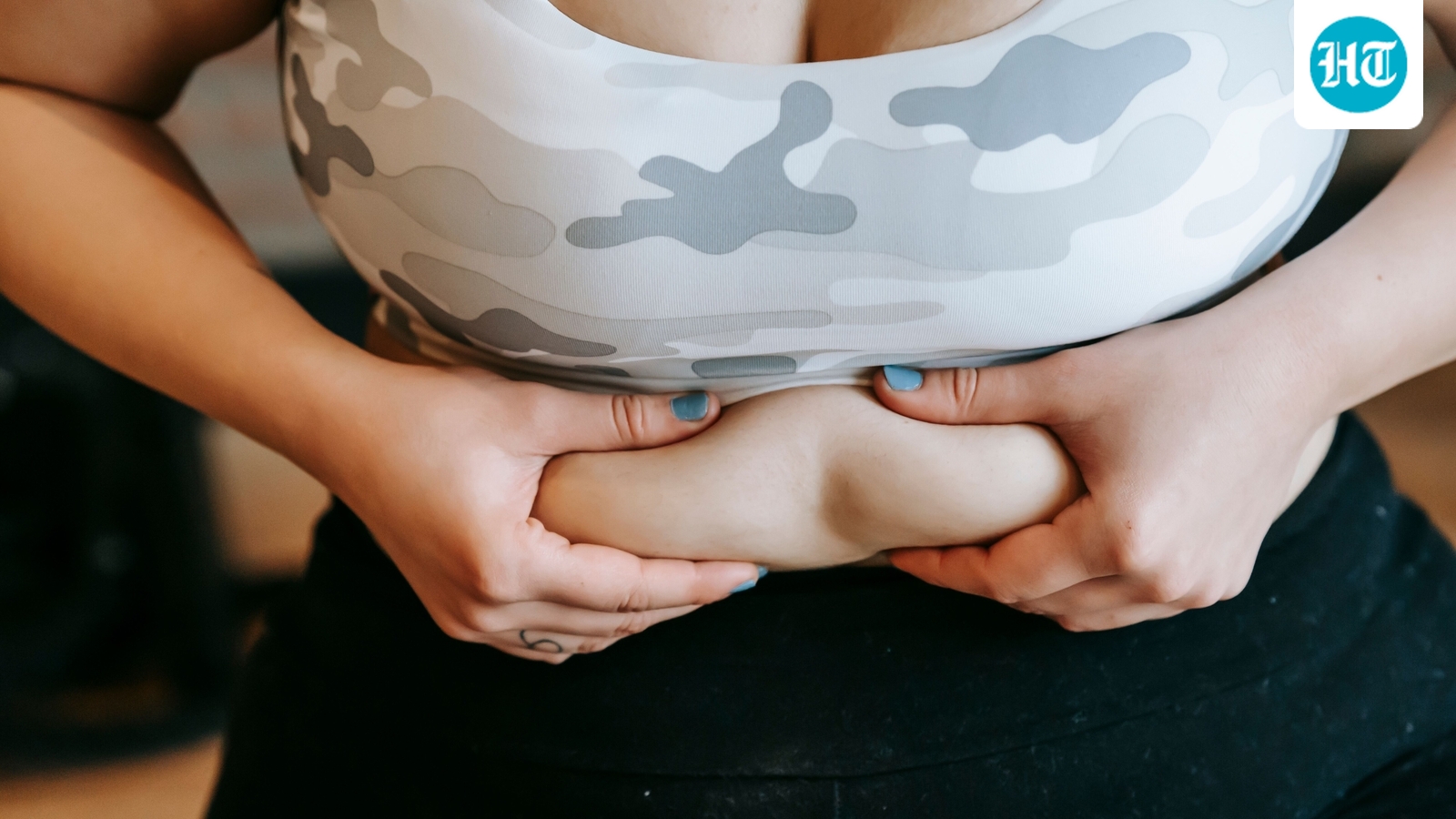
Four years after my youngest child was born, I lay on an exam table while a doctor pressed his fingers into the space that had formed between my abdominal muscles. He told me to do small crunches. He measured the width and depth of the space and called it severe. When I did a full situp, he had me pause at the top and said, “Wow, look at that coning!” as if the strange dome that my stomach became when I engaged my abs was a roadside attraction.
He asked me about my fitness routine. I told him, proudly, that I regularly made it to at least three power-lifting classes per week and was on my way to becoming an instructor.
“You could do a million ab exercises,” the doctor told me. “You could be the most fit person on the planet. It wouldn’t change a thing.”
I’d known for years that I had diastasis recti, which happens naturally in the third trimester of pregnancy when the abdominal muscles separate and move to the side of a pregnant person’s body to make room for a fetus.
For 45–60% of postpartum women, the muscles fail to return to the center and seal correctly after birth. One study showed that 30% of women have mild abdominal separation for up to 30 years postpartum, while 10% have a long-lasting, more severe separation, and I was one of them.