Blog summary:
Cleveland Clinic, RIKEN, IBM debut the largest heterogeneous quantum-classical (HQC) electronic-structure calculation to date, using up to 94 qubits.
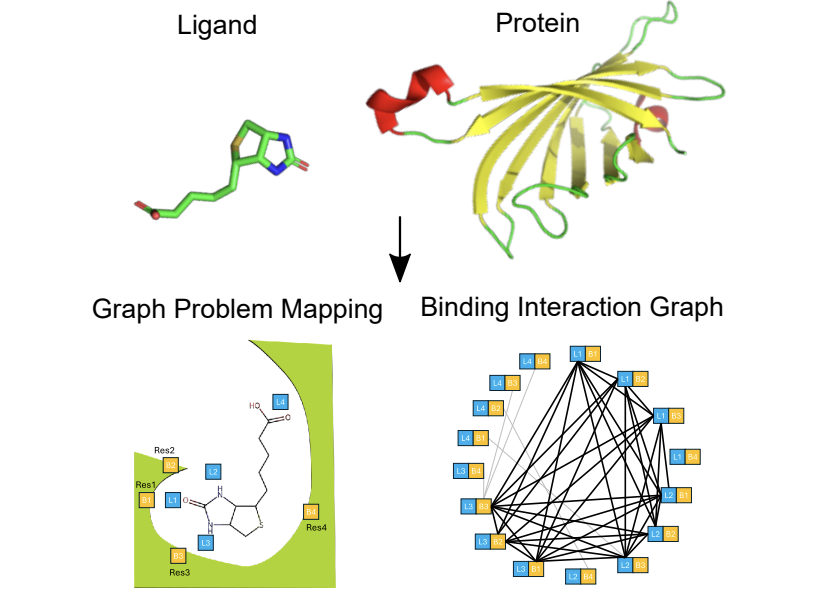
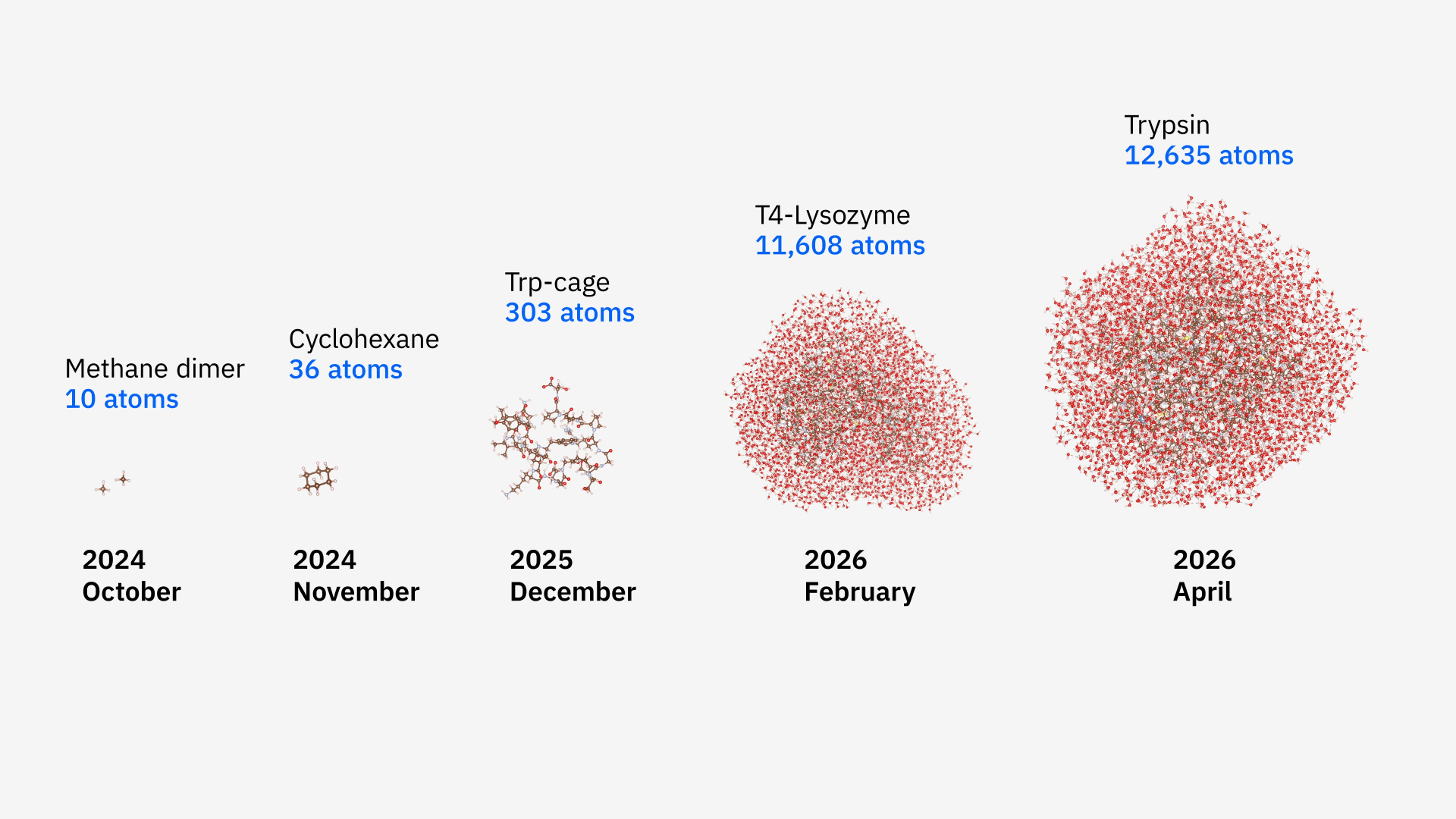
Researchers used a quantum‑centric supercomputing workflow to simulate protein–ligand chemistry, with the largest simulation reaching over 12,000 atoms (30,000 orbitals).
The work modeled the proteins T4‑Lysozyme and Trypsin in solution with binding agents.
Researchers achieved a 40‑fold increase in system size and 210x improvement in accuracy over previous results, driven by new algorithm developments and tight integration of QPUs, CPUs, and GPUs.