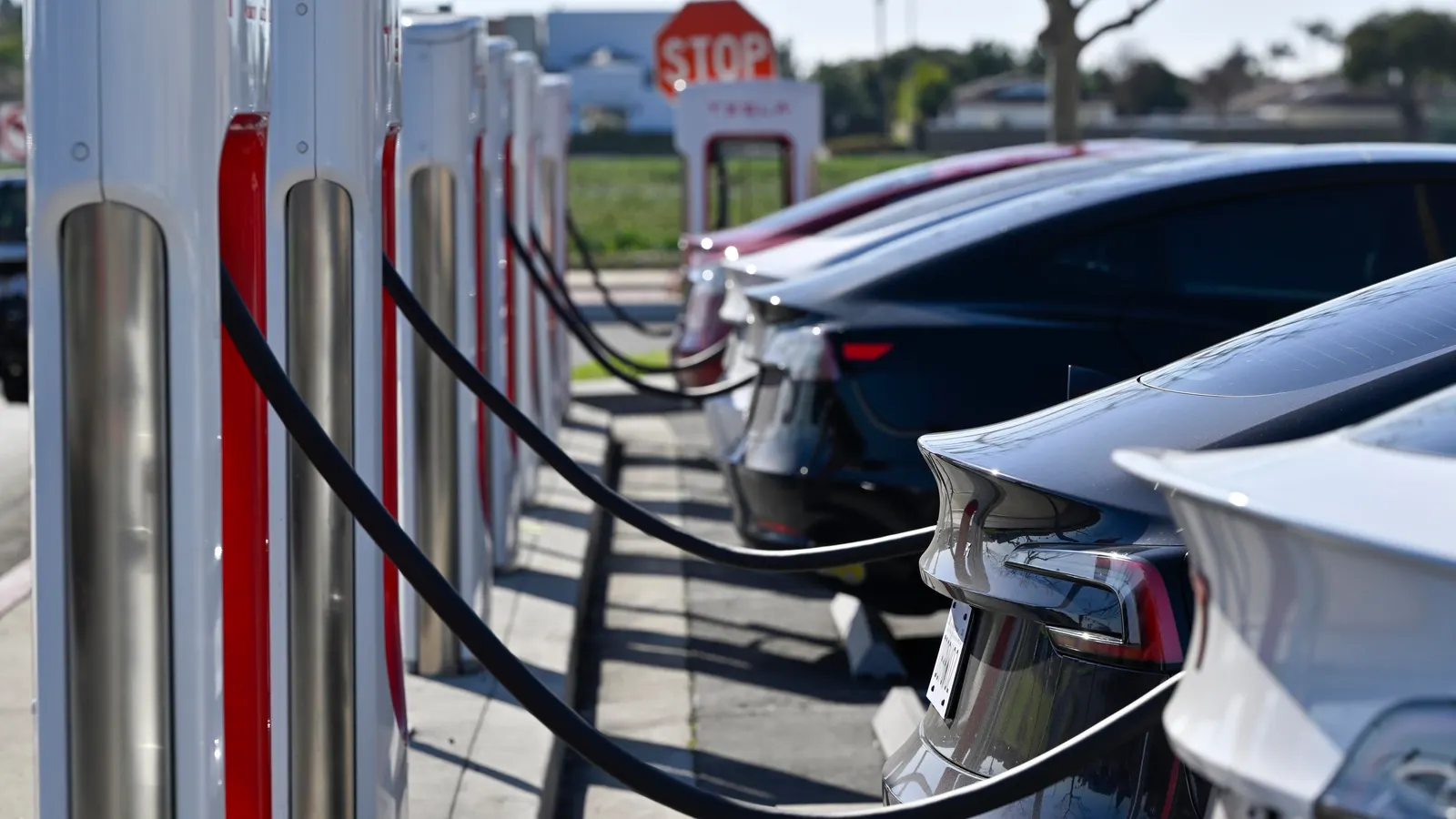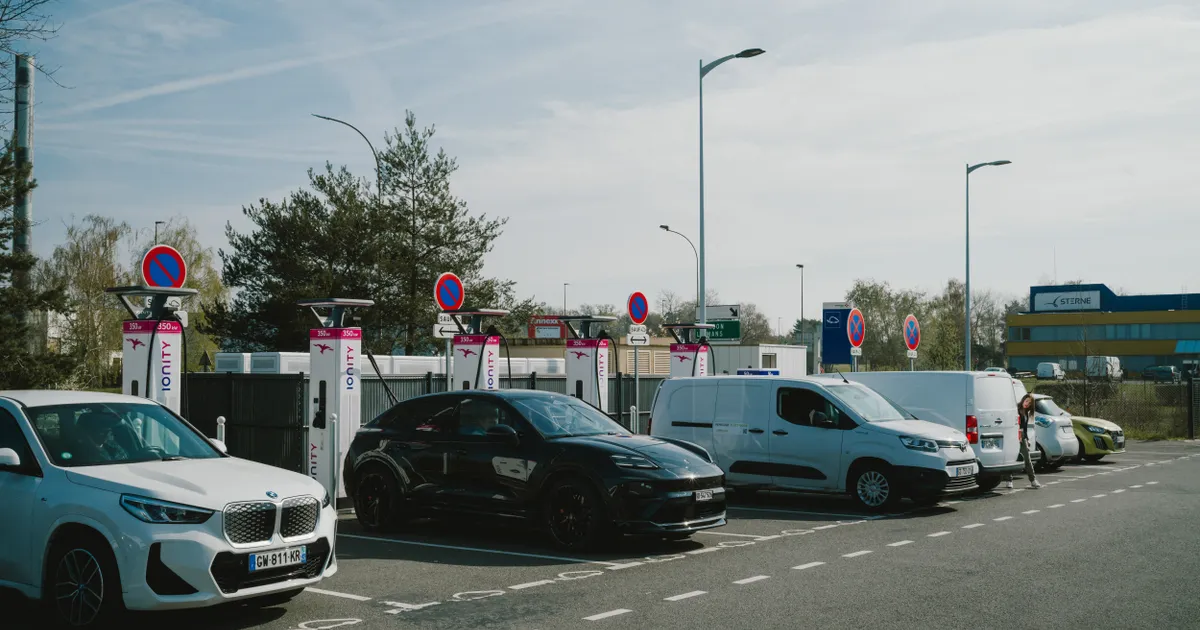
As the war in Iran spikes gasoline prices around the globe, drivers in many countries have headed for an obvious emergency exit: EVs. But buyers in the U.S. aren’t following suit, and a lack of affordable EV options is a big reason why.
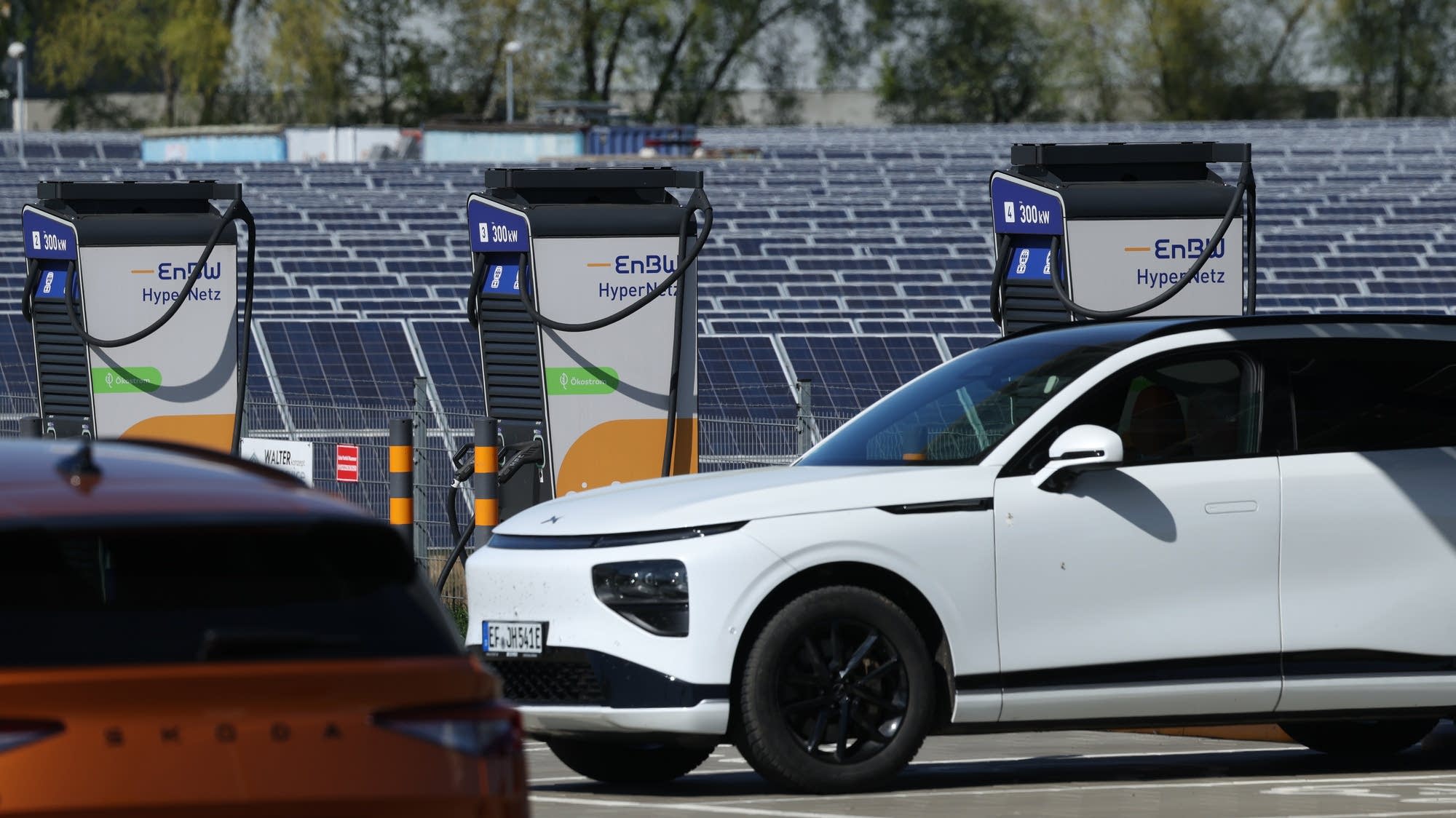
While global EV sales plunged in January and February from 2025’s record heights, they rebounded in March and April, according to data out this week from Benchmark Mineral Intelligence. That’s largely thanks to a surge in Europe, where EV sales were 27% higher this April than the same month last year. Rising gasoline prices fueled the region’s market, BMI says, as did the increasing availability of cheap Chinese EV imports.
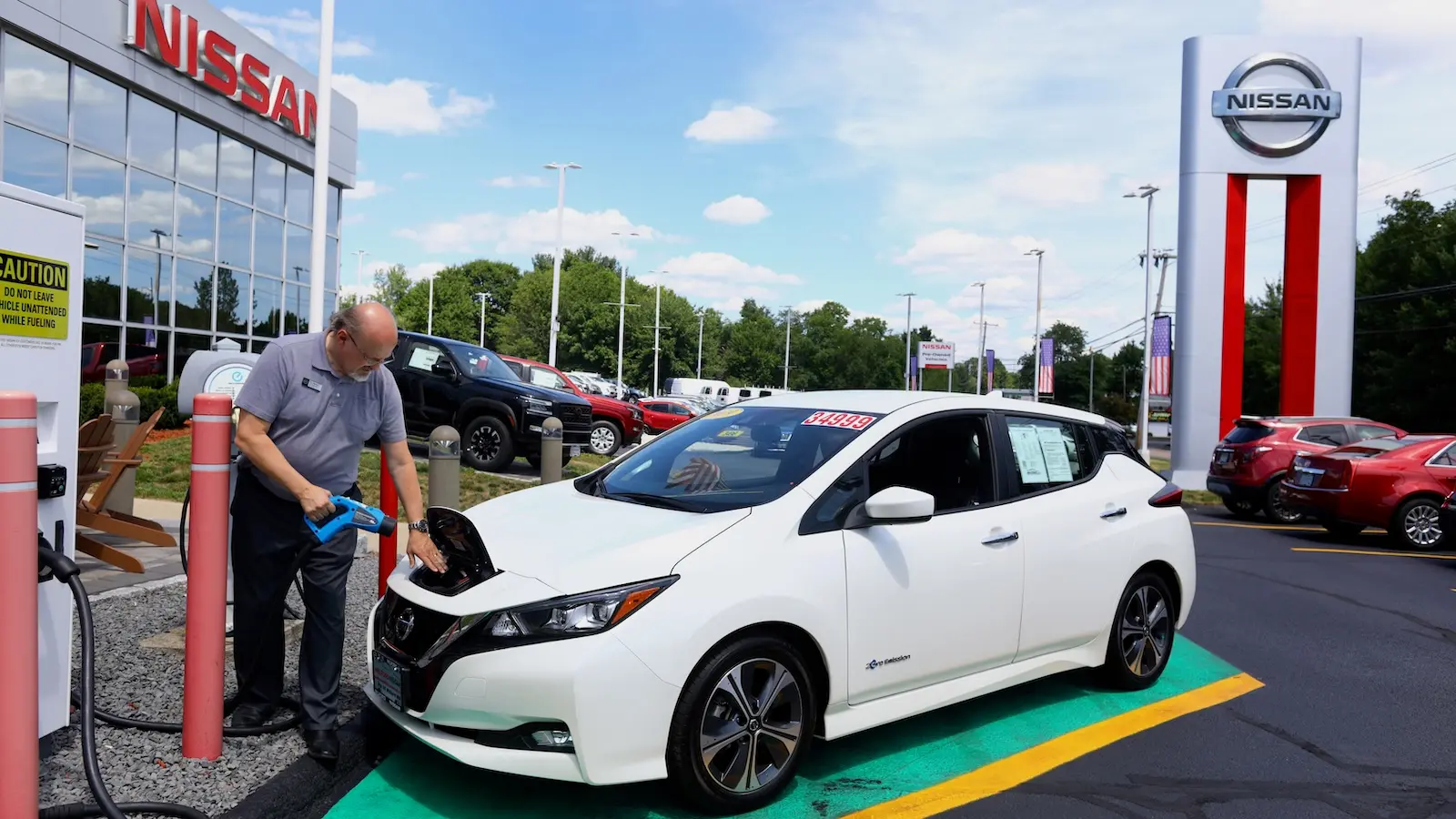
The latter is exactly what the U.S. lacks. While used EVs are now cost-competitive with used gas cars, that’s not the case for new models. The cheapest new EV sold in the U.S., the Nissan Leaf, starts at just under $30,000. But in China, dozens of EVs retail for around $25,000 or less, including several models from BYD, which surpassed Tesla as the world’s top EV seller earlier this year. And while the Asian superpower has ramped up exports to Europe, Latin America, and, more recently, Canada, its cars face a 100% tariff and national security rules in the U.S. that make them impossible to sell.