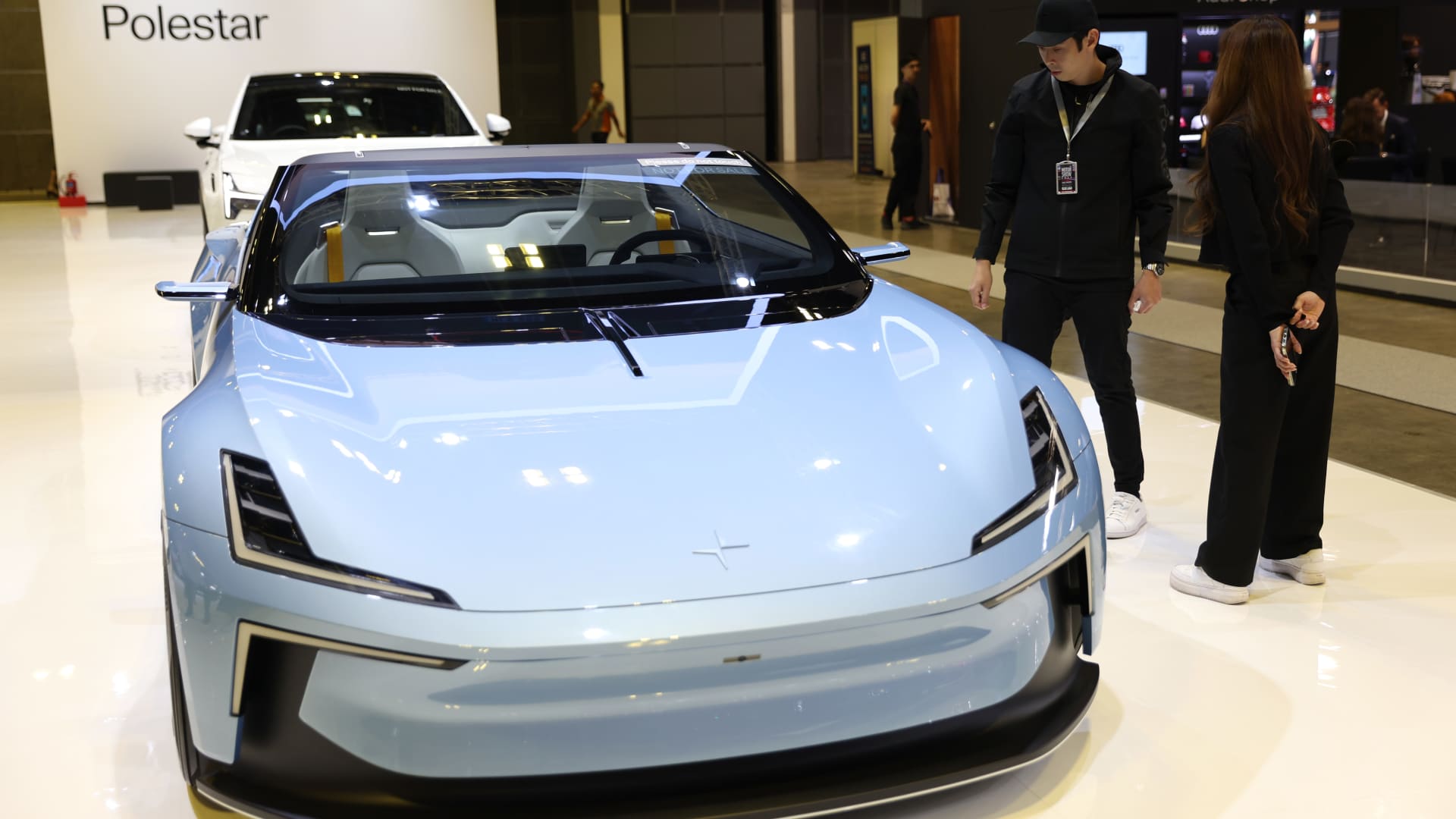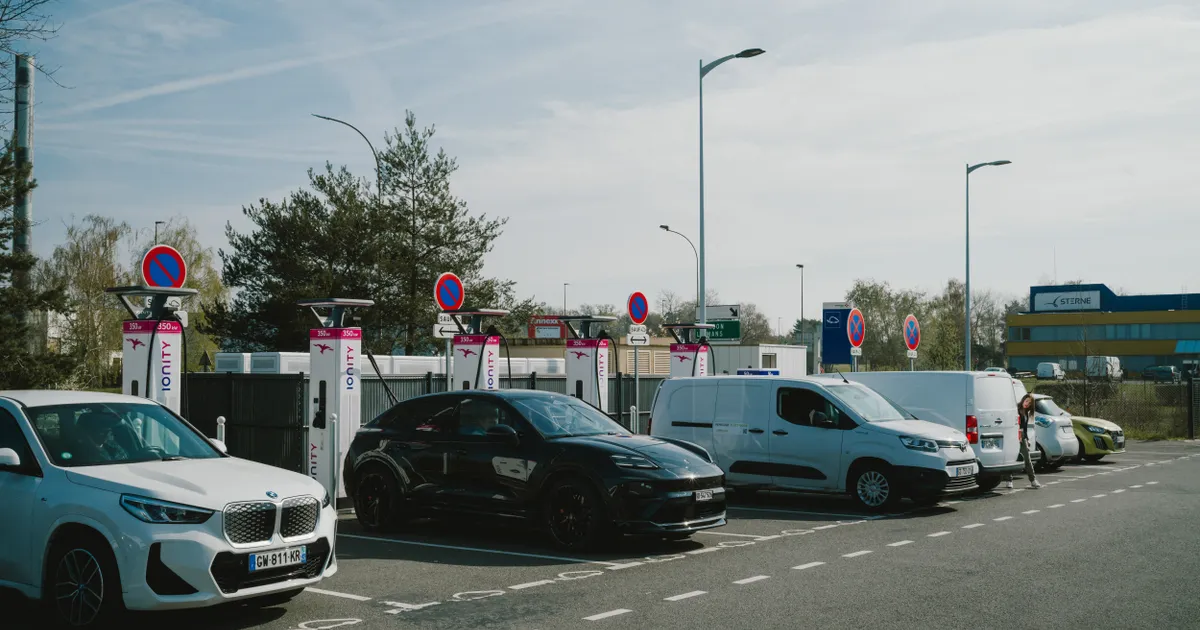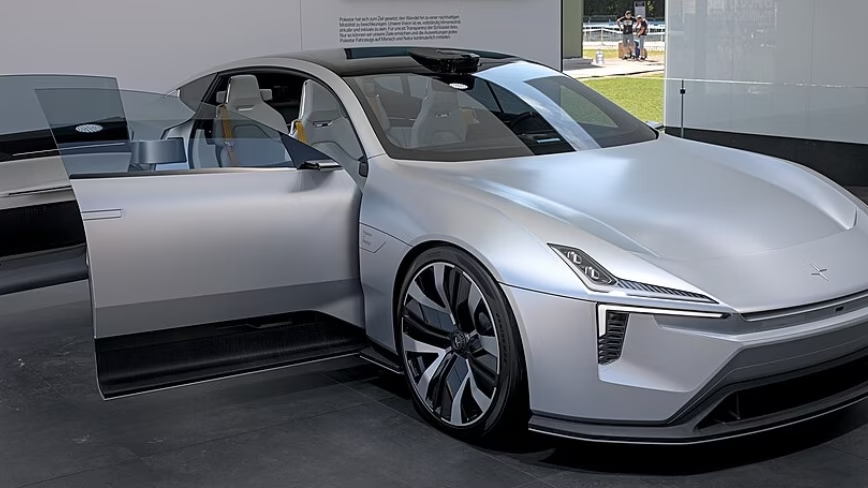
TL;DRPolestar CEO Michael Lohscheller told CNBC that “pump anxiety” has replaced range anxiety as the dominant consumer concern, with rising fuel prices from the Iran war and Strait of Hormuz closure driving a measurable shift toward EV demand. EU EV registrations jumped 51% in March. Polestar reported a widening Q1 net loss of $383 million on flat revenue of $633 million despite record deliveries of 13,126 vehicles, with gross margins swinging negative due to pricing pressure, tariffs, and currency effects.
For years, the electric vehicle industry’s biggest problem had a name: range anxiety. Now, according to the chief executive of Polestar, the anxiety has moved to the other side of the forecourt. “People are concerned, ‘how much do I pay at the gas station?’” Michael Lohscheller told CNBC’s Squawk Box Europe on Wednesday, coining a phrase “pump anxiety” that captures a shift the entire automotive industry is struggling to absorb.
The context is not subtle. Since the United States and Israel launched strikes against Iran on 28 February, the Strait of Hormuz, the narrow waterway that carries roughly a fifth of the world’s oil supply, has been effectively closed to commercial shipping. Brent crude has surged past $100 a barrel. In the United Kingdom, average petrol prices have risen by more than 25 pence per litre since early March, with diesel tracking nearly 45 pence higher, according to RAC Fuel Watch. Across the European Union, petrol has breached €2 per litre in several markets. The result is a measurable, continent-wide recalculation of what it costs to drive.