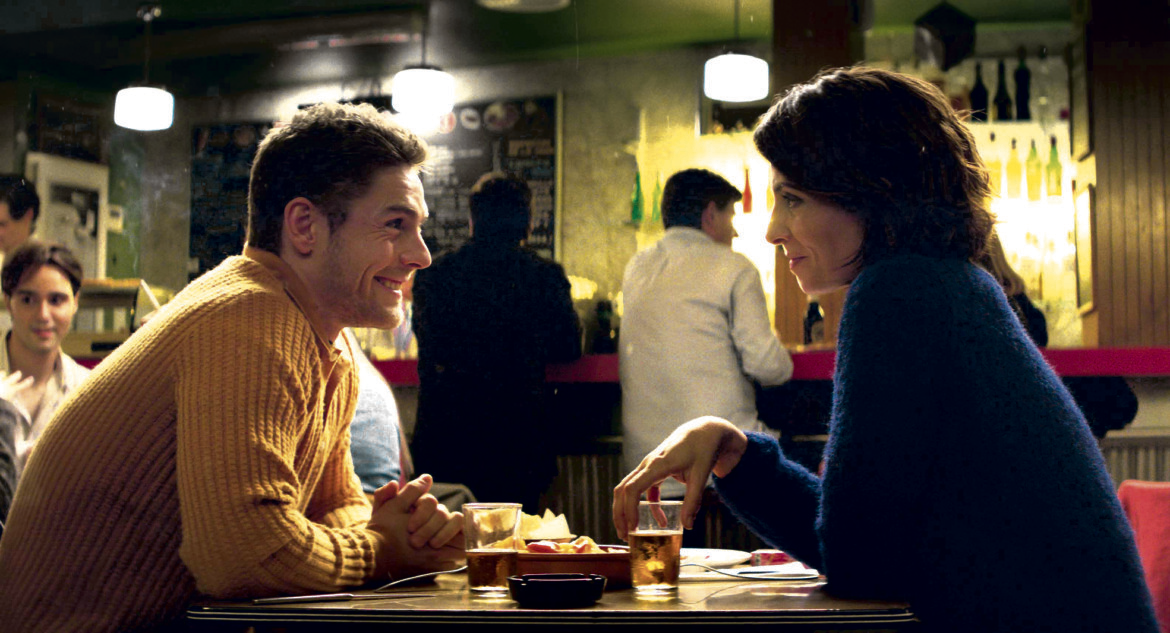
Early in Pedro Almodóvar’s new film “Bitter Christmas,” a female filmmaker is briefly hospitalized, and the attending physician recognizes her as the director of an offbeat film from some years before. “I hear it became a cult film,” says the good doctor. “What does that mean? Cult? Evangelical?” It’s a good question. The films of Almodóvar long ago became too broadly popular and acclaimed to merit the “cult” label, but if any filmmaker could be called the cult leader of their own cinema, it might be him: His work is so wrapped up in his own highly singular imagination, personality and, lately, even specific first-hand experience, you could accuse it of self-reverence if not for a healthy sense of humor and irony.
An elaborately nested reflection on creative license, story ownership and art imitating life imitating art, “Bitter Christmas” is so exhaustively Almodóvarian, the viewer occasionally has to fight their way into its circular hall of mirrors. For those who do, there’s much fun to be had here: in its ripe and lively performances, in its characteristically splashy paintbox visual design, and in its twin-tracked, heavily metatextual narrative of artists following their bliss, sometimes to toxic effect.