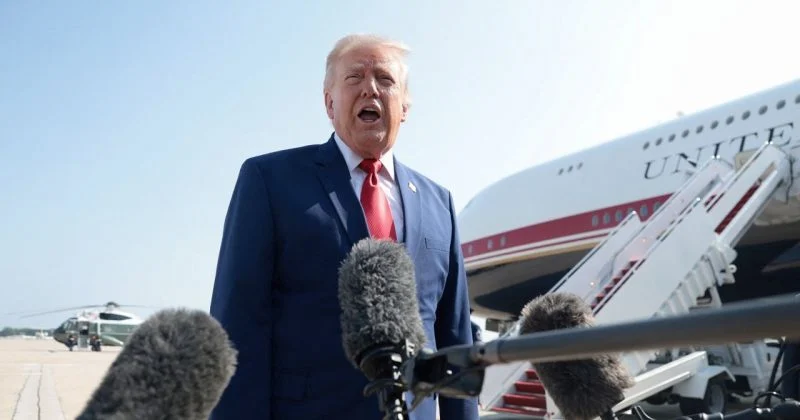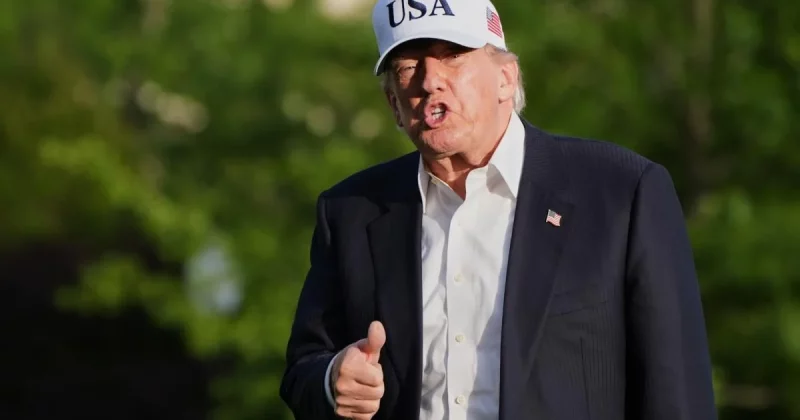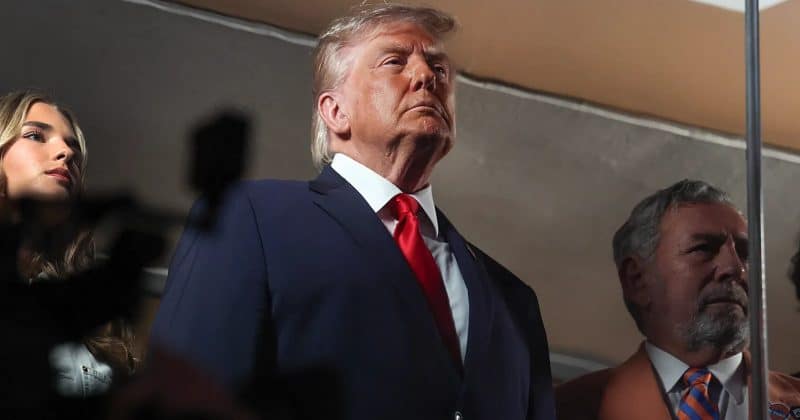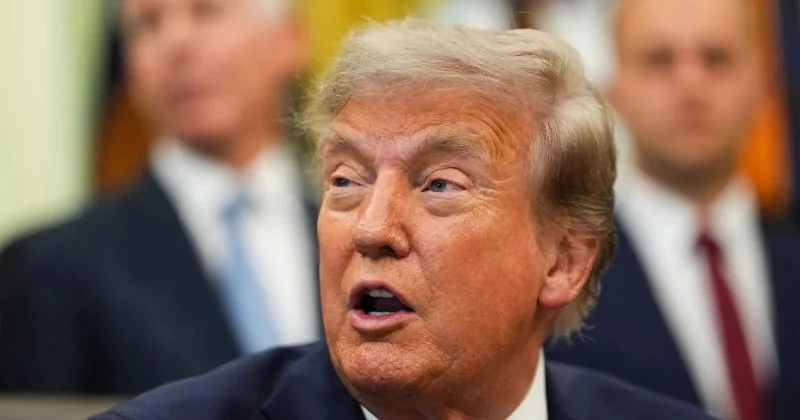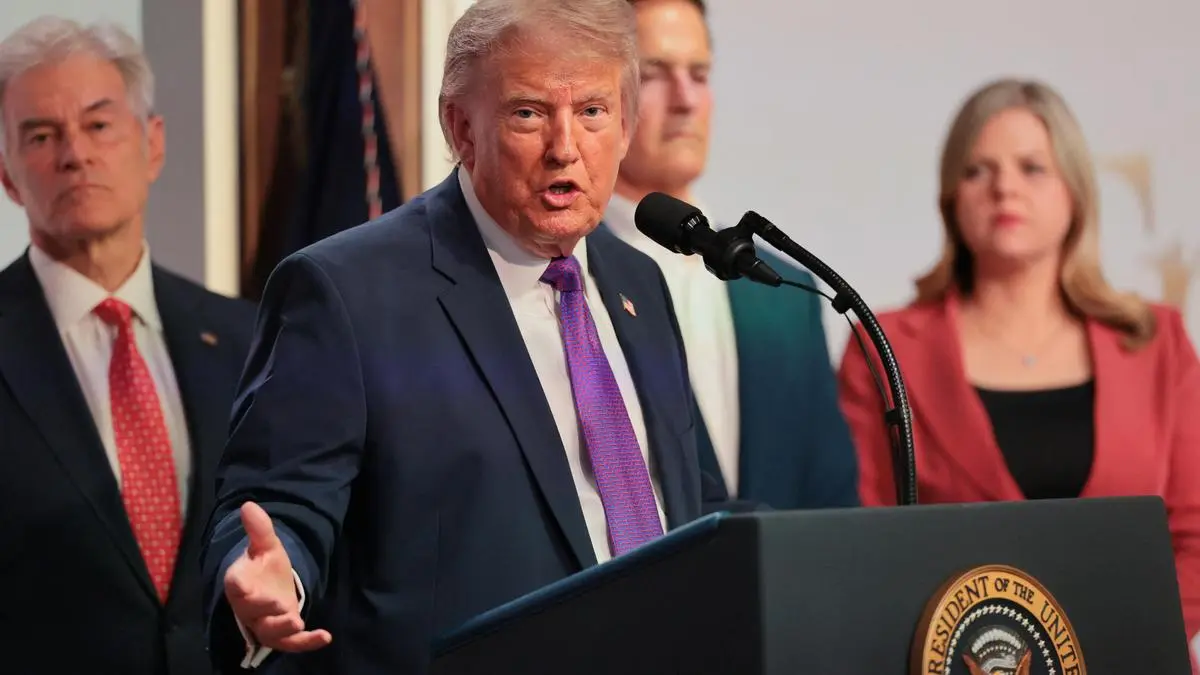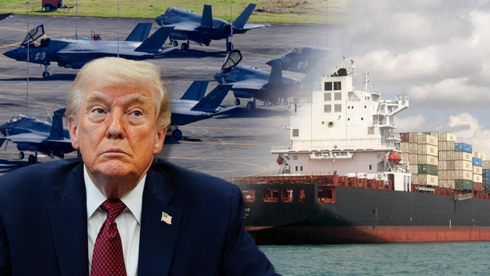
President Donald Trump confirmed Monday that he pulled back from launching a large-scale military strike on Iran, a decision made just hours before the operation was reportedly set to begin. The pause came after direct appeals from Gulf Arab leaders who told Trump that negotiators were closing in on a deal to prevent Iran from obtaining nuclear weapons.
“We were getting ready to do a very major attack tomorrow,” Trump told reporters at the White House, framing the delay not as a retreat but as a window for diplomacy. The strike remains on the table if talks collapse.
What happened and who made the call
The postponement followed coordinated lobbying from three of the most influential leaders in the Middle East: Qatari Emir Tamim bin Hamad Al Thani, Saudi Crown Prince Mohammed bin Salman Al Saud, and UAE President Mohamed bin Zayed Al Nahyan. All three urged Trump to give diplomacy more runway, arguing that a negotiated outcome was within reach.
Trump obliged, but with a caveat. He stressed that any deal must result in Iran having zero nuclear weapons capability. The US military, meanwhile, has not stood down. Forces remain positioned and ready should the diplomatic track fall apart. Iran has warned it would retaliate against any attack.